






Understanding Government Application Forms
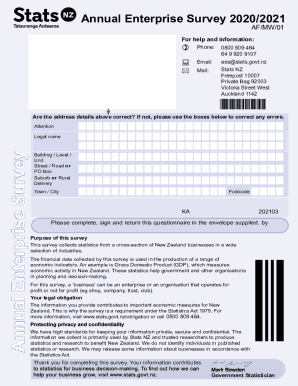
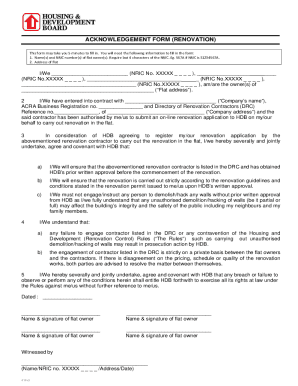
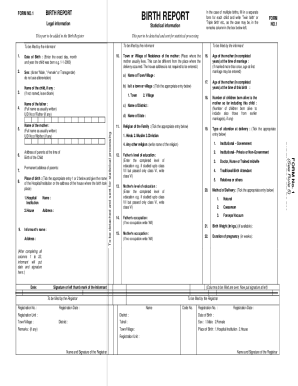
Government application forms serve as essential tools for individuals seeking to access government services, benefits, or programs. These standardized forms ensure that the necessary information is collected uniformly, allowing for efficient processing by government agencies.
Different Types of Government Application Forms
Government application forms can vary significantly based on their purpose. Common types include:
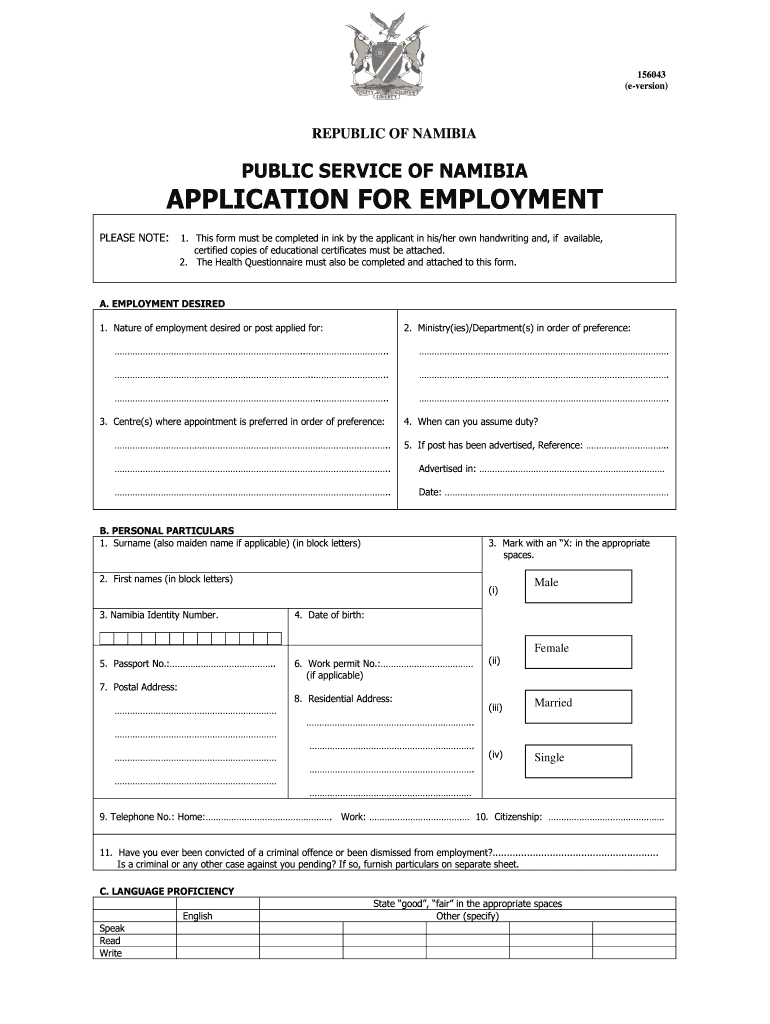
- Job Application Forms: Used by individuals applying for government jobs.
- Benefit Application Forms: Required for accessing social programs like unemployment benefits or food assistance.
- Licensing and Permitting Forms: Utilized by businesses and individuals seeking licenses for various activities, such as real estate or construction.
Essential Elements of Government Application Forms
Each government application form typically contains several key elements that must be completed accurately. These include:
- Personal Information: Name, address, and contact details.
- Eligibility Questions: Queries to determine the applicant's qualification for the service or program.
- Documentation Requirements: A list of required supporting documents that must accompany the application.
Steps to Complete a Government Application Form
Filling out a government application form typically involves several steps:
- Gather Required Information: Collect personal details, documentation, and any specific information requested by the form.
- Read Instructions Carefully: Each form usually includes specific instructions on how to complete it correctly.
- Fill Out the Form: Complete each section, ensuring all information provided is accurate and up to date.
- Review the Application: Double-check all entries for errors or omissions.
- Submit the Form: Depending on the process, this may involve online submission, mailing the form, or delivering it in person.
Importance of Accuracy in Application Forms
Accuracy is crucial when completing government application forms. Inaccurate or incomplete forms can lead to delays in processing or even denial of services. Common pitfalls include:
- Misspellings or incorrect personal information: Ensure names and addresses are correct.
- Failure to provide required documents: Missing attachments can halt the application process.
- Ignoring eligibility criteria: Completing forms despite not meeting the necessary qualifications can lead to denials.
Legal and Compliance Considerations
When submitting a government application form, applicants should be aware of legal implications:
- Misrepresentation: Providing false information can result in penalties, including fines or disqualification from benefits.
- Privacy Concerns: Understanding how personal information will be handled is essential, as many forms require consent for data sharing.
Online vs. Paper Government Application Forms
With advancements in technology, many government agencies offer online application forms:
- Efficiency and Speed: Online submissions typically process faster than paper forms.
- Accessibility: Online forms often provide features like auto-save and instant feedback for errors.
- Documentation Uploads: It is usually easier to attach supporting documents electronically.
Common Government Application Forms in the U.S.
Some frequently used government application forms include:
- W-9: Request for Taxpayer Identification Number.
- DS-11: Application for a U.S. Passport.
- Form I-130: Petition for Alien Relative.
These forms are essential for various processes, including tax purposes, travel documentation, and immigration requests.
Conclusion on Government Application Forms
In summary, understanding how to navigate government application forms is crucial for accessing various services and benefits. By recognizing the types, essential elements, and the importance of completing these forms accurately, individuals can streamline their interactions with government agencies and ensure a smoother application process.