





What a sibling buyout agreement means
A sibling buyout agreement is a legal document used when one sibling buys out another sibling’s ownership interest in a family-owned asset, business, or inherited property. In many U.S. family situations, the asset is a house, a rental property, a closely held company, or a business inherited from parents. The agreement sets the terms of the transfer so the buyout is clear, documented, and enforceable.
In practical terms, the agreement records who is selling, who is buying, what is being transferred, and how much the buyer will pay. It can also include payment timing, financing terms, closing conditions, tax responsibilities, and what happens if a dispute arises later. For family transactions, this clarity is especially important because informal promises often lead to misunderstandings.
A sibling buyout agreement is not limited to real estate. It can also be used for:
- A family business where one sibling wants to continue operating the company.
- An inherited LLC membership interest.
- Shares in a closely held corporation.
- Personal property with significant value, such as a family vacation home or inherited land.
The agreement is usually tailored to the asset involved. A buyout involving real estate may reference deeds, title transfer, and mortgage obligations. A business buyout may reference membership interests, operating agreements, valuation methods, and non-compete or confidentiality clauses where allowed by state law.
It is especially useful when several siblings inherit an asset jointly and only one wants to keep it. Without a written agreement, one sibling may later dispute the value, the timing of payment, or whether the transfer was complete. A well-drafted agreement helps reduce family conflict by putting the transaction in writing.
In U.S. practice, the document is often paired with other records, such as a deed, assignment of interest, corporate consent, probate paperwork, or a separate settlement agreement. The buyout agreement does not always replace those documents; instead, it usually works as part of a larger transfer process.
When this agreement is commonly used
Sibling buyout agreements are often used after a parent’s death, during estate administration, or when siblings jointly own an inherited asset and one wants to exit the shared ownership. They are also common when family members created a business together and later decide that only one sibling will remain active in the enterprise.
One common scenario involves inherited real estate. For example, three siblings inherit a house from a parent. One sibling lives nearby and wants to keep the home as a rental property, while the others prefer cash. A sibling buyout agreement can document the price, down payment, installment terms, and closing date for the transfer.
Another common scenario involves a family business. A sibling who manages the company may want to buy out a brother or sister who does not participate in operations. In that setting, the agreement often addresses:
- Ownership percentages.
- Valuation of the business.
- Transfer restrictions in the operating agreement or bylaws.
- Payment terms and security for unpaid balances.
Buyouts can also arise in divorce-related family property disputes, though the document may need to be coordinated with a court order, settlement agreement, or title company requirements. In those cases, the agreement should be consistent with the broader legal record.
Typical family situations
Some of the most common use cases include:
- One sibling wants to keep the family home.
- Several siblings inherit a rental property and one wants full ownership.
- A sibling owner retires from a business and sells to another sibling.
- A family member receives an ownership interest through a trust or probate distribution.
- A shared property must be sold, but one sibling prefers to prevent an outside sale.
Why families use it
Families use this agreement to:
- Set a fair valuation process.
- Avoid ambiguity about who owns what after the transfer.
- Reduce the risk of later claims of coercion or misunderstanding.
- Create a written record for title companies, lenders, accountants, or probate attorneys.
Main terms and core clauses
A strong sibling buyout agreement usually includes several core clauses that define the deal with enough precision to avoid future conflict. The document should be specific about the asset, the parties, and the transfer mechanics. Broad or vague language can create problems later, especially if a court needs to interpret the agreement.
The first critical section identifies the parties and the asset. This may include full legal names, addresses, relationship to one another, and a description of the property or ownership interest. For real estate, the legal property description matters more than a street address alone. For a business interest, the agreement should identify the entity name, state of formation, and the percentage or number of units or shares being transferred.
Valuation is another major clause. The agreement should explain how the buyout price was determined. Common methods include:
- Independent appraisal.
- Agreed-upon market value.
- Book value or financial statement valuation.
- A formula set out in an operating agreement or family settlement.
If the parties disagree about value, the agreement may require two appraisals and a third appraiser, or it may specify a tie-breaker mechanism. This helps prevent later claims that the buyout price was arbitrary.
Payment terms should be equally detailed. The agreement may provide for a lump-sum payment, installment payments, seller financing, or escrow. If payments are made over time, the contract may include:
- Interest rate.
- Payment schedule.
- Late fees.
- Prepayment rights.
- Security interest or lien rights.
- Acceleration if the buyer defaults.
Important legal provisions
A complete agreement often addresses:
- Representations and warranties about ownership and authority.
- Release of claims after closing.
- Allocation of taxes, fees, and recording costs.
- Conditions precedent, such as court approval or lender consent.
- Default remedies if one side does not perform.
- Confidentiality, if the transaction involves sensitive family or business information.
Clauses that need extra care
Some clauses deserve close attention because they can affect enforceability:
- Waiver of rights, especially if one sibling is giving up inheritance-related claims.
- Indemnification for liens, debts, or undisclosed obligations.
- Signatures of spouses, if state marital property rules apply.
- Governing law and venue, which determine where disputes will be resolved.
How valuation and payment work
Valuation is often the most sensitive part of a sibling buyout agreement. Family members may have very different views about the value of a house, business, or inherited asset. Because emotions can influence the process, the agreement should use a valuation method that is objective, transparent, and suitable for the asset type.
For real estate, a licensed appraisal is often the most practical approach. The appraisal can reflect fair market value, which is commonly used in U.S. transactions. If the property has unique features, such as a family cabin, a multi-unit rental, or land with development potential, the valuation method may need to account for those facts. A tax assessment alone is usually not enough to establish a buyout price.
For a business interest, valuation may be more complex. The agreement may use:
- A certified business appraisal.
- A formula tied to EBITDA, revenue, or book value.
- A value fixed by a buy-sell provision in existing company documents.
- A negotiated price based on recent financial statements and debt obligations.
Payment structure can also vary widely. Some buyers have enough liquidity to pay the full amount at closing. Others need time, especially when the buyout involves an inherited home or a business with limited cash reserves. Installment buyouts are common, but they should be written carefully so the seller knows when and how payment will occur.
Common payment structures
- Lump sum payment:
- The buyer pays the full amount on closing.
- This is simpler and reduces default risk.
- Installment payment:
- The buyer pays over months or years.
- The agreement should specify due dates, interest, and default remedies.
- Seller financing:
- The seller effectively acts as the lender.
- A promissory note may be used alongside the buyout agreement.
- Offset arrangement:
- The price may be reduced by advance distributions, shared expenses, or debts owed between the siblings.
If the asset is real estate, the agreement should also clarify how existing mortgages are handled. A sibling buying out another sibling does not automatically remove the departing sibling from the mortgage. The lender may need to approve refinancing or assumption. Without that step, the seller may remain liable on the loan even after signing over ownership.
Legal requirements and state issues
The legal effect of a sibling buyout agreement depends on the asset, the state law governing the transaction, and any related estate or business documents. Although the agreement itself is private between the parties, its enforceability can be shaped by state contract law, probate law, real property law, and business entity rules.
For real estate, most states require a written agreement to transfer an ownership interest. A deed will usually be required to change title, and the deed may need to be notarized and recorded. If the property was inherited through probate, the personal representative or executor may also need to authorize the transfer depending on how title is held.
For business interests, the governing documents matter a great deal. An LLC operating agreement, shareholder agreement, or partnership agreement may contain transfer restrictions, approval requirements, or valuation rules. In some cases, the sibling buyout agreement must align with those internal documents before the transfer is valid.
State-specific variations can also affect:
- Community property rights.
- Spousal consent requirements.
- Notarization and witness requirements.
- Real estate transfer tax.
- Probate court approval.
- Recording requirements for deeds or assignments.
When legal review is especially important
Legal review is often needed when:
- The asset is part of an estate under probate.
- There is a mortgage, lien, or judgment attached to the property.
- A trust owns the asset or controls the transfer.
- The siblings are using seller financing or installment payments.
- The transaction could affect Medicaid planning, creditor claims, or tax reporting.
Common enforceability concerns
A buyout agreement may be challenged if:
- One party lacked authority to sign.
- The valuation was based on false or incomplete information.
- The agreement was signed under pressure or without disclosure.
- The transfer violates a prior operating agreement, will, or trust term.
- Necessary signatures, acknowledgments, or approvals are missing.
Steps to complete the agreement
Completing a sibling buyout agreement usually involves a sequence of factual, financial, and legal steps. The process can be straightforward when the asset is simple and all parties agree, but it becomes more complex if there are debts, multiple owners, or inherited property.
The first step is identifying the asset and confirming ownership. This means reviewing deeds, probate documents, LLC records, stock certificates, operating agreements, or trust records. It is important to know exactly what interest is being sold and whether the seller actually has authority to transfer it.
The next step is determining value. The parties may agree on a market appraisal, a business valuation, or a formula written in an existing governing document. If the siblings cannot agree, the agreement can set out a method for resolving that issue before final signing.
After value is established, the agreement should address payment mechanics. The parties should decide whether the buyer will pay immediately, finance the purchase, or use installments. If a note is involved, the payment terms should be consistent across all documents.
Practical completion sequence
- Confirm the asset and ownership structure.
- Determine the buyout value.
- Decide on payment terms and financing.
- Draft the agreement and related transfer documents.
- Review tax, title, probate, or entity issues.
- Sign the agreement with any required notarization or witnesses.
- Complete title transfer, deed recording, or ownership updates.
- Keep copies with estate, business, and personal records.
Documents commonly completed together
Depending on the asset, the buyout may also require:
- A deed.
- A promissory note.
- A bill of sale.
- An assignment of membership interest.
- Corporate consent resolutions.
- Probate or estate closing documents.
- A release of claims.
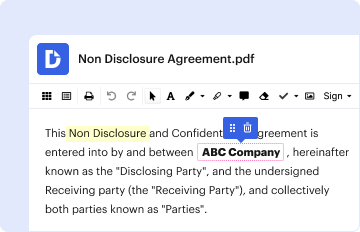
If the siblings are using DocHub or another digital document workflow tool, the form may be edited, annotated, signed electronically, and stored with the rest of the transaction records. That can be especially useful when siblings live in different states and need to review the same document without mailing paper copies back and forth.
Common risks and tax issues
A sibling buyout agreement can reduce conflict, but it does not remove every legal or tax risk. The transaction may have income tax, capital gains, gift tax, estate tax, or property tax consequences depending on the asset and how the deal is structured. The agreement should identify who is responsible for those issues, even if the parties later consult a tax professional for reporting.
For inherited property, the tax basis may be stepped up to fair market value at death, which can affect future gain or loss calculations. If one sibling buys out another soon after inheritance, the basis and valuation date can matter significantly. If the asset was held for years before transfer, the tax results may be different.
Installment payments can also trigger tax consequences. The seller may recognize gain over time if the installment method applies. Interest on unpaid balances may need to be reported separately. If the transaction involves business ownership, the allocation between goodwill, tangible assets, and other components can affect tax treatment.
Risks that often appear in family buyouts
- Undervaluation claims:
- A sibling later argues the asset was worth more than the agreed price.
- Hidden debt or liens:
- A mortgage, tax lien, or business liability was not disclosed.
- Payment default:
- The buyer misses installment payments or cannot refinance.
- Title defects:
- The seller could not transfer clean title.
- Disputes over expenses:
- Repairs, taxes, insurance, or business debts were not allocated clearly.
Tax and reporting considerations
Possible tax-related issues include:
- Capital gains reporting.
- Gift tax concerns if the buyout is below market value.
- Basis calculations for inherited assets.
- State transfer taxes or recording fees.
- Business tax allocations for entity interest transfers.
Because the tax treatment depends on the specific facts, the agreement should clearly state whether each party is relying on their own tax advice and who bears responsibility for filing or payment obligations.
Required documents and signatures
A sibling buyout agreement is usually part of a broader document package. The exact paperwork depends on whether the transaction involves real estate, a business, or another inherited asset. A clean file helps the transfer close smoothly and creates a reliable record if questions come up later.
For a real estate buyout, common supporting documents include:
- The current deed or title record.
- An appraisal or valuation report.
- A payoff statement for any mortgage.
- The new deed transferring the departing sibling’s interest.
- A release or settlement document if disputes were resolved.
For a business buyout, supporting documents may include:
- Articles of organization or incorporation.
- Operating agreement, bylaws, or partnership agreement.
- Ownership ledger or cap table.
- Financial statements or tax returns relevant to valuation.
- An assignment or stock transfer form.
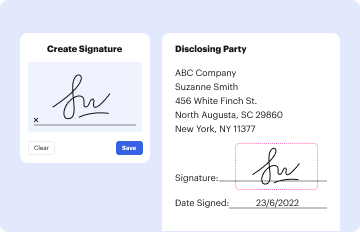
Signatures should match the legal names used in the agreement. If a sibling is signing on behalf of an estate, trust, or entity, that authority should be identified clearly. In some states or under some transaction structures, spouses may also need to sign, especially if marital property rules apply or if the asset is held jointly.
Signature and execution details
A complete signing package may include:
- All parties signing the agreement.
- Notarization, when required.
- Witness signatures, where applicable.
- Initials on each page or key provisions, if the parties want a stronger record.
- Dates next to each signature so the effective date is clear.
Recordkeeping best practices
The final signed set should usually include:
- The agreement itself.
- All exhibits and schedules.
- Proof of payment or escrow instructions.
- The deed or assignment used to complete the transfer.
- Any related waivers, releases, or consents.
Keeping the full package together is especially useful if the transaction is reviewed later by a title company, probate court, tax preparer, lender, or family member seeking clarification.
Example buyout situations
Examples help show how a sibling buyout agreement works in practice. The exact clauses will vary, but the underlying structure is similar: identify the asset, set the value, define payment, and document the transfer.
Inherited house example
Three siblings inherit a house after their mother’s death. One sibling wants to keep the home, while the others want cash. They agree on a fair market value based on an appraisal. The buyer sibling refinances the mortgage, pays each sibling their share at closing, and records a deed transferring the departing interests. The agreement also states who pays closing costs and property taxes due at the time of transfer.
Family business example
Two brothers co-own a small landscaping company. One brother is retiring, and the other wants to continue the business. They use a business valuation based on earnings, subtract company debts, and agree to payment over 36 months with interest. The agreement includes a release of claims and states that the retiring brother will no longer have authority to bind the business.
Vacant land example
Siblings inherit undeveloped land. One sibling wants to keep it for future investment. Because the property produces no income and is not easy to divide, they agree on a price based on an appraisal and recent comparable sales. The agreement allocates recording costs and confirms that the buyer will handle future taxes and maintenance.
Edge-case example
A sibling is buying out another sibling, but the property still has an outstanding lien from a contractor dispute. The agreement states that the seller will clear the lien before closing, or the buyer may hold back part of the purchase price in escrow until the issue is resolved. This type of clause can prevent a transfer from becoming unmarketable later.
What these examples show
Across different assets, the most important features remain consistent:
- A written agreement.
- A clear price or valuation method.
- A payment plan that matches the siblings’ actual expectations.
- Transfer documents that match the underlying asset type.
- A record of who is responsible for taxes, debts, and closing costs.