






Definition & Meaning
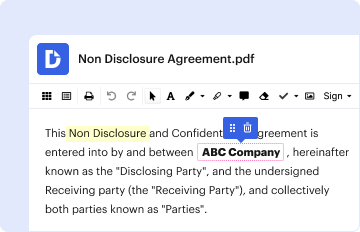
Online forms are digital versions of traditional paper forms, designed to streamline data collection and submission processes by allowing users to input information directly into a web-based interface. They are used for a variety of purposes such as applications, surveys, feedback forms, and registrations, making them a versatile tool for both businesses and individuals.
Online forms can adapt to user inputs, providing an interactive experience that can guide the user through complex forms with conditional formatting. This flexibility not only improves ease of use but also increases accuracy by helping ensure that all required fields are completed correctly before submission.
How to Use the Form Online
Using an online form involves accessing it through a web browser, which can be done on any device with internet connectivity. Here is a step-by-step guide to using a form online:
-
Access the Form: Navigate to the website hosting the form, such as a company’s official site or a link provided via email.
-
Read Instructions: Carefully review any provided instructions to understand what information is required and in what format.
-
Input Information: Fill out each field by typing in the necessary data, selecting options from dropdown menus, or checking boxes where applicable.
-
Review: Ensure all information is correct and all fields are completed, especially those marked as mandatory.
-
Submit: Click the submit button to send your completed form to the designated recipient.
-
Confirmation: Some forms may provide a confirmation page or email to verify that the submission was successful.
Steps to Complete the Form Online
Completing an online form efficiently often involves preparing in advance and following a systematic approach:
-
Gather Required Information: Before starting, ensure you have all necessary documents and details on hand, such as identification numbers, contact information, and any specific data required for the form.
-
Start the Form: Open the form on a compatible browser and begin entering your details.
-
Mandatory Fields: Focus on mandatory fields first, typically marked with an asterisk, ensuring they are complete as forms cannot be submitted without them.
-
Use Built-in Help: Utilize tooltips or help sections if you encounter any difficulties or need clarification on what to enter.
-
Validate Entries: Many forms have built-in validation to inform you of mistakes or missing information. Correct any errors indicated by the form.
-
Finalize and Submit: After confirming all fields are accurate and complete, submit the form.
Key Elements of the Form Online
Online forms generally consist of several key elements that facilitate user interaction and data collection:
-
Text Fields: For inputting standard textual information, like names or addresses.
-
Dropdown Menus: To select one option from a preset list, often used for selecting countries or states.
-
Checkboxes: Allow users to select multiple options from a list.
-
Radio Buttons: Let users choose a single option from several choices.
-
Date Pickers: Provide a calendar interface for selecting dates.
-
Submit Button: Finalizes the entry and sends data to the server for processing.
Legal Use of the Form Online
Online forms are often used within legal contexts and must comply with various regulations to ensure data protection:
-
Data Privacy Laws: Forms must adhere to legislation such as the GDPR or CCPA, which govern data privacy and the collection of personal information.
-
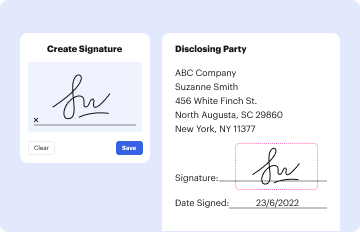
Electronic Signatures: In legal applications, forms must support electronic signatures in compliance with the ESIGN Act, ensuring they are legally valid.
-
Consent: Forms should include clear consent sections if personal data is being collected, explaining how the data will be used and stored.
Software Compatibility
When creating or submitting an online form, compatibility with various software systems can enhance efficiency and user experience. For instance, integration with document management platforms like DocHub can simplify document workflows:
-
Compatibility with Cloud Services: Seamless integration with Google Drive, Dropbox, and OneDrive for easy access to documents.
-
Form Auto-Completion: Integration with software like TurboTax or QuickBooks can help pre-fill certain fields using existing data, reducing manual input.
-
Cross-Device Functionality: Forms should function consistently across different devices and browsers, providing the same user experience on computers, tablets, and smartphones.
Business Types That Benefit Most from Form Online
Various business sectors can greatly benefit from using online forms due to the efficiency and data management capabilities they offer:
-
E-commerce: For customer orders, feedback, and survey forms.
-
Education: To collect data on student registrations, feedback, and volunteer applications.
-
Healthcare: Used for patient forms, consent forms, and surveys.
-
Real Estate: Employed in rental applications, property inquiries, and client feedback forms.
By utilizing online forms, businesses in these industries can streamline data collection, improve accuracy, and enhance customer interactions.
Examples of Using the Form Online
Various real-world applications illustrate how online forms provide utility across different contexts:
-
Job Applications: Candidates can apply for positions through a company's career portal by filling out an online form.
-
Scholarships: Students fill out financial aid forms or scholarship applications online to provide necessary qualifications and support documents.
-
Customer Feedback: Businesses use online forms to collect consumer feedback after a purchase or service interaction, aiding in market analysis and customer satisfaction assessments.
These examples highlight the versatility of forms online and their importance in various operational contexts.


