




Definition & Meaning
The term "ANNEXE" often refers to supplementary material or additional documents appended to a main document. In various contexts, it can indicate extended parts of legal agreements, academic papers, or official forms. Annexes serve to provide additional details that support the main content, often used in business, administrative, legal, and educational settings. They are essential for readers who require deeper insights or data that are not included in the primary document.
How to Use the ANNEXE
Using an annexe involves identifying the additional information required to complement the main document. You should review the primary document to determine which details or data are needed to support its content. Once identified, compile the relevant information and format it clearly and concisely. Consider using tables, lists, and graphs where applicable to enhance clarity. Ensure that references to the annexe within the main document are clear and direct, allowing readers to easily locate and interpret the supplementary material.
Steps to Complete the ANNEXE
-
Identify Necessary Information: Determine what additional information, data, or documents are required to support the main document.
-
Gather Relevant Data: Collect all necessary details, statistics, or documents that will form the annexe.
-
Format the ANNEXE: Structure the information logically, using headings, bullet points, and tables for clarity.
-
Cross-Reference with the Main Document: Ensure there are clear references in the main document directing readers to the annexe when necessary.
-
Review for Accuracy: Double-check all information for accuracy and relevance to the main document.
-
Append to the Main Document: Attach the annexe to the main document, ensuring it is easy to locate and navigate.
Key Elements of the ANNEXE
-
Title and Reference: Clearly title the annexe and include references back to sections of the main document.
-
Content Structure: Include structured information with headings, subheadings, and bullet points to enhance readability.
-
Supporting Data: Integrate charts, tables, or graphs as necessary to provide visual representations of data.
-
Comprehensive Details: Offer thorough explanations to ensure all information within the annexe is self-explanatory.
-
Cross-Referencing: Maintain clear connections to the main document to aid understanding.
Legal Use of the ANNEXE
Annexes in legal documents provide additional terms, conditions, or background information essential for a full understanding of the agreement. They are often used in contracts and official agreements to detail provisions not covered in the main body. It is crucial to ensure that everything within the annexe complies with applicable laws and regulations. Legal professionals often structure annexes clearly to prevent misunderstandings and ensure enforceability.
Important Terms Related to ANNEXE
-
Appendix: A supplementary document often similar to an annexe but typically less detailed.
-
Supplement: Additional content that broadens or clarifies the main text.
-
Addendum: A formal addition to a document that modifies or expands on its content.
-
Schedule: Typically a list or table attached to a document outlining specific details like timelines or costs.
Why Should You ANNEXE
Annexes improve the utility and comprehensiveness of documents by offering detailed insights that enhance understanding. They are particularly useful in complex documents where including all information in the main body would disrupt readability. By segregating extensive material, annexes provide context, support arguments, and bolster the credibility of the primary document. They are indispensable in professional and academic contexts where thoroughness is crucial.
Examples of Using the ANNEXE
-
In Contracts: An annexe may list payment schedules or detailed specifications in technical agreements.
-
In Research Papers: Academic works often include an annexe for raw data or detailed methodology.
-
In Government Forms: Regulations requiring additional documents, such as financial disclosures, often use annexes.
Software Compatibility
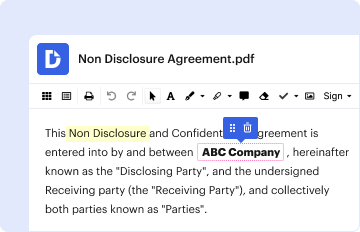
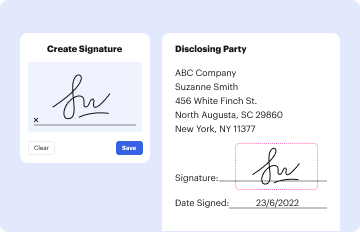
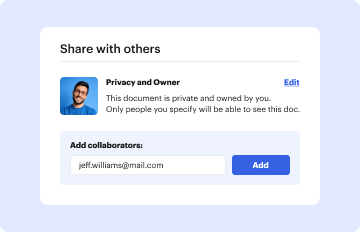
When dealing with document annexes digitally, compatibility with software such as Adobe Acrobat for PDFs or Microsoft Word for DOC files is essential. Platforms like DocHub can facilitate digital edits to annexes, allowing seamless integration and collaboration. Users should ensure their tools support the necessary document types to maintain accessibility and functionality across various platforms.