





Definition and Meaning
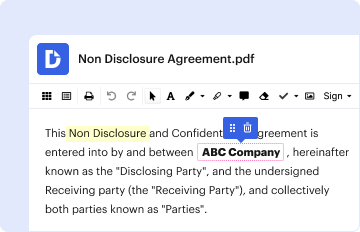
The concept of a "form online" refers to a digital interface used for data collection, submission, or electronic documentation. Unlike traditional paper forms, online forms facilitate faster transactions, ensure accuracy with automated error checking, and enhance accessibility by being available 24/7 from any location with internet access. These forms can be utilized across various sectors, including legal, financial, educational, and governmental entities, to streamline processes such as applications, registrations, and data gathering.
Key Features
- Accessibility: Accessible from any device with internet access.
- Efficiency: Automated processes reduce data entry times and errors.
- Security: Advanced encryption protocols for secure data handling.
- Flexibility: Customizable fields to suit different data collection needs.
Practical Example
Businesses often use online forms for client onboarding, enabling them to quickly gather necessary information and securely store it for future reference.
Steps to Complete the Form Online
Completing an online form involves several straightforward steps to ensure data is accurately captured and submitted.
- Access the Form: Navigate to the website hosting the form using a compatible web browser.
- Fill in the Required Fields: Enter data into mandatory fields, ensuring that all required information is provided.
- Review the Information: Carefully check all entered data for accuracy and completeness.
- Submit the Form: Click the submit button to send your data.
Examples of Application
- Job Applications: Candidates input personal details, qualifications, and experience.
- Tax Filings: Online submission of tax documents directly to the IRS.
Additional Tips
- Save Progress: If available, utilize "save and continue" features for lengthy forms.
- Legal Compliance: Ensure all submissions meet relevant legal requirements to avoid complications.
Why Should You Form Online
Opting for online form submission offers numerous advantages over traditional paper forms.
- Time-Saving: Digital submissions significantly reduce processing times.
- Reduced Costs: Eliminate the need for physical storage and printing.
- Environmentally Friendly: Less paper usage reduces ecological impact.
- Enhanced Security: Data encryption ensures information remains confidential.
Real-World Benefits
Organizations that transition to online forms have reported increased efficiency in workflow and improved data accuracy, contributing to better decision-making processes.
Important Terms Related to Form Online
Understanding certain terminology is crucial when dealing with online forms:
- Encryption: The process of encoding data to prevent unauthorized access.
- User Authentication: Methods used to verify an individual's identity before form access.
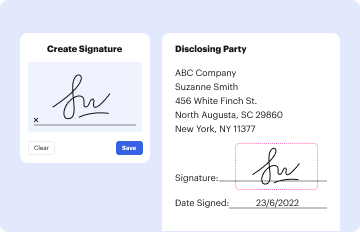
- E-Signature: A digital version of a handwritten signature used for electronic documents.
- Cloud Storage: Remote storage of data accessed over the internet.
In-Depth Exploration
- User Authentication: Common methods include passwords, two-factor authentication, and biometric verification.
- E-Signature: Recognized by laws like the ESIGN Act for legal document signing.
State-Specific Rules for the Form Online
Different states may have unique regulations regarding specific online forms, particularly when they interact with state laws or requirements.
- Examples:
- Property Tax Submissions: Some states require additional documentation.
- Business Licensing: Varies in terms of additional information and filing deadlines.
Case Study
In California, online business registrations necessitate separate environmental impact statements, unlike in other states.
Legal Use of the Form Online
Using forms online must comply with various legal frameworks to be legally binding and valid.
- Compliance Standards: Must adhere to the ESIGN Act, which ensures electronic signatures' legality.
- Privacy Laws: Compliance with acts like the CCPA or GDPR for data protection is essential.
Legal Considerations
- Record Keeping: Ensure data retention policies align with legal requirements.
- User Consent: Explicit consent should be obtained for data collection and processing.
Creating and Managing Fillable Forms
Creating fillable forms online involves designing forms that allow the end user to input data into specified fields effortlessly.
Steps to Create Fillable Forms
- Template Selection: Choose a suitable template or start from scratch.
- Field Insertion: Add text boxes, checkboxes, dropdowns, and signature fields.
- Field Customization: Designate required fields and assign specific fields to recipients.
- Finalization: Review and publish the form for user access.
Advantages
- User-Friendly Experience: Simplifies data entry and enhances accuracy.
- Customization Options: Tailor forms to suit specific data collection needs.
Software Examples
- DocHub, Adobe Acrobat, JotForm
Legally Binding Electronic Signatures
DocHub's integration of electronic signatures with online forms ensures compliance and ease of use.
Signature Creation Options
- Draw: Use a mouse or trackpad to create a signature.
- Type: Input your name and choose from various font styles.
- Upload: Add an image of a handwritten signature.
Legal Framework
These signatures are legally binding under the ESIGN Act, making them suitable for contracts, agreements, and other official documents.
Seamless Integration with Google Workspace
DocHub enhances the user experience by providing seamless integration with Google Workspace. This facilitates easy importing and exporting of documents, ensuring an uninterrupted workflow.
Integration Benefits
- Efficiency: Import files directly from Google Drive, reducing redundancy.
- Convenience: Edit and save documents within the Google environment.
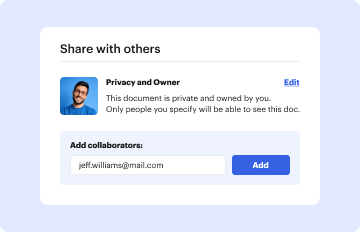
- Collaboration: Enables real-time collaboration between team members.
Use Case
Collaborate on project proposals by importing Google Docs into DocHub, editing, and saving back to Google Drive without leaving the integrated environment.


