Definition & Purpose of the Witness Attestation Form
The Witness Attestation Form serves as a legal document used to provide a sworn statement regarding the validation of a specific action or declaration. In many legal and financial contexts, it acts as a supportive measure to ensure that the primary document, such as a power of attorney or will, is executed validly. This form is essential in reinforcing the authenticity of a signed document, particularly where the law requires verification by witnesses.
Examples of Usage in Legal Contexts
- Power of attorney documents, where the signer needs to affirm that the decision is made voluntarily and without coercion.
- Last will and testament, ensuring the document reflects the true intentions of the individual.
- Contracts that require unbiased verification for legal validity.
How to Use the Witness Attestation Form
Using a Witness Attestation Form involves several key steps to ensure its effectiveness and compliance with legal standards.
Step-by-Step Instructions
-
Identify the Need for an Attestation: Determine if your document requires witness verification. Common documents include wills, contracts, and legal declarations.
-
Select Suitable Witnesses: Ideally, witnesses should be unrelated parties with no vested interest in the document's outcome. Each witness should be legal age and capable of understanding the nature of the attestation.
-
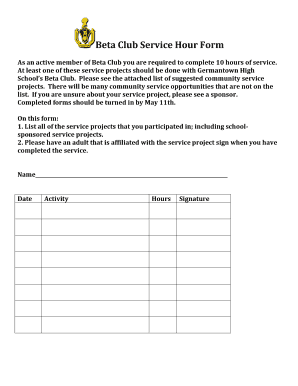
Complete the Form: Provide all necessary details, including names, addresses, and identification information of both the principal and witnesses. Each witness should sign in the designated area.
-
Notarization (if required): Some jurisdictions may call for notarization of the attestation form to enhance its legal standing.
Steps to Complete the Form
Completing the Witness Attestation Form accurately is crucial for its validity and acceptance.
Completing Required Sections
-
Principal Information: The name and contact details of the individual whose document is being attested.
-
Witness Information: Each witness must provide their full legal name, address, and signature. Ensure clarity and legibility to prevent disputes.
Verification and Submission
- Check all entries for accuracy and completeness.
- Submit the form along with the primary document as required by legal or institutional guidelines.
Legal Use Cases for the Witness Attestation Form
The Witness Attestation Form is utilized in multiple legal scenarios to enhance the integrity of primary documents.
Common Legal Applications
-
Estate Planning: Used extensively in verifying wills to ensure testamentary documents are free from duress or undue influence.
-
Business Contracts: For agreements requiring independent verification of the parties' commitment to the terms.
Importance of Compliance
Compliance with local laws is crucial to ensure that the form fulfills its intended purpose without legal challenges.
Key Elements of the Witness Attestation Form
Identifying and understanding the essential components of the form can prevent legal pitfalls.
Essential Sections
-
Declaration Statement: A vital part where witnesses swear to the validity and truthfulness of the principal's signature or action.
-
Signature Blocks: Dedicated sections where the principal and each witness provide their signature, confirming their role in the attestation process.
State-Specific Rules for the Form
Understanding state-specific mandates is crucial for legal adherence.
Variations Across Jurisdictions
-
Some states may require the presence of a notary public during the signing.
-
Others might have specific restrictions on who can act as a witness, often excluding family members.
Importance of Verification
Always consult local statutes or a legal expert to ensure compliance with jurisdiction-specific rules.
Who Typically Uses the Witness Attestation Form
The form is widely used by various individuals and entities, and its necessity often stems from both legal and personal requirements.


Typical Users
-
Individuals: Those executing legal documents, such as estate plans or contracts.
-
Businesses: Corporations verifying contractual commitments or changes in business structure.
-
Legal Professionals: Lawyers ensure due diligence in signing significant documents.
Important Terms Related to the Witness Attestation Form
Clearing up the terminology used in the attestation process can demystify potential legal jargon.
Key Terms and Definitions
-
Principal: The individual whose actions or decisions are being attested.
-
Witness: A person with firsthand observation of the principal’s signing or action, providing verification.
-
Notarization: The act of certifying a document's authenticity through a notary public, if required.
Understanding these terms aids in the correct and efficient use of the Witness Attestation Form, ensuring that the document meets all legal requirements.