Definition & Meaning
A "workers comp exemption form pdf" is a document used in the United States for specific individuals or entities seeking exemption from carrying workers' compensation insurance. Workers' compensation is a state-administered program that provides financial benefits to employees who suffer job-related injuries or illnesses. However, not all businesses or workers are required or find it beneficial to maintain such insurance. The exemption form provides a legal avenue to document and formalize this decision.
Workers' comp exemption forms vary by state, reflecting different local laws and regulations. The exemption often applies to business owners, independent contractors, and certain employees in executive roles who opt out of coverage for various reasons, such as cost savings or because they do not have any employees who require coverage.
How to Use the Workers Comp Exemption Form PDF
To use a workers comp exemption form effectively, follow these steps:
- Identify Eligibility: Confirm whether your business or role qualifies for exemption in your state by reviewing state-specific criteria.
- Download the Form: Obtain the appropriate form from your state workers' compensation board's website or trusted document platforms like DocHub.
- Complete the Form: Provide accurate information, including your business details, personal information, and the specific exemption category you are applying for.
- Sign the Document: Use a legally binding signature, which can be done manually or electronically through platforms like DocHub.
- Submit the Form: Send the completed form to the appropriate state authority as directed, either online, by mail, or in-person.
- Keep Records: Retain copies of the submitted form and any correspondence with state authorities for future reference.
Using the form correctly ensures compliance with state regulations and protects businesses from potential legal issues or penalties associated with non-compliance.
How to Obtain the Workers Comp Exemption Form PDF
Obtaining the workers comp exemption form is straightforward:
- State Workers' Compensation Board Website: Most states have downloadable versions of the form available on their official websites.
- Document Management Platforms: Services like DocHub provide direct access to frequently used legal forms, including workers' comp exemption forms.
- Professional Advisors: Legal or business advisors might provide the necessary form and guidance to ensure correct acquisition and application.
Ensure that you access the most recent and applicable version of the form specific to your state's requirements.
Steps to Complete the Workers Comp Exemption Form PDF
Completing the form accurately is critical to ensure a valid exemption:
- Read Instructions Carefully: Begin by reading the form instructions or any accompanying guidelines.
- Enter Personal and Business Information: Include the full legal names, addresses, and contact details as requested.
- Specify Exemption Details: Clearly state the reason for seeking exemption and provide any required information specific to your eligibility category, such as business type or role.
- Review and Adjust: Double-check all entries for accuracy and completeness before submission.
- Sign and Date: Affix your signature where required, ensuring compliance with electronic or manual signing protocols.
- Submit the Form: Follow the submission instructions, paying attention to deadlines and required submission methods.
Inaccurately completed forms may lead to delays or rejections, so thoroughness is crucial.
Who Typically Uses the Workers Comp Exemption Form PDF
Workers comp exemption forms are primarily used by:
- Business Owners: Often sole proprietors or partnerships without employees.
- Independent Contractors: Self-employed individuals choosing not to purchase coverage for themselves.
- Corporate Officers: Executives who can opt-out of coverage for personal benefits.
- Small Businesses: Companies with minimal staff where operational costs outweigh benefit needs.
Understanding who commonly uses these forms helps businesses assess their position for exemption eligibility.


Key Elements of the Workers Comp Exemption Form PDF
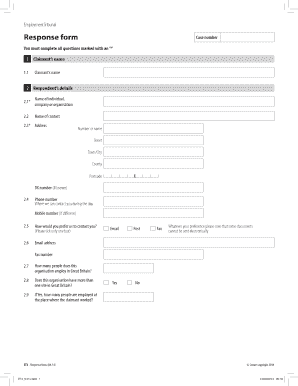
A typical workers comp exemption form includes several critical components:
- Applicant Information: Details about the individual or business seeking exemption.
- Type of Business: Identification of the business structure (e.g., LLC, corporation, or sole proprietorship).
- Reason for Exemption: A section to declare the reason for exemption, aligned with state laws.
- Signature Field: A mandatory field for a legally binding signature, electronic or manual.
- Submission Instructions: Guidelines on where and how to submit the form.
Precision in completing each component is vital to avoid processing issues.
State-Specific Rules for the Workers Comp Exemption Form PDF
Each state in the U.S. has unique rules governing workers compensation exemptions:
- Eligibility Criteria: Varied requirements on who qualifies for exemptions based on business type, sector, or role.
- Documentation Needs: Differences in supporting documents required alongside the form.
- Instructional Norms: State-specific guidelines or procedures for completing and submitting forms.
Researching state-specific rules is necessary to ensure compatibility with local laws and avoid non-compliance risks.
Examples of Using the Workers Comp Exemption Form PDF
Real-world scenarios where workers comp exemption forms are used include:
- Sole Proprietorships: A sole owner with no employees files the form to forego unnecessary insurance costs.
- Corporate Executives: A chief officer of a corporation exempts themselves due to personal health coverage that mitigates the need for workers' comp.
- Self-Employed Contractors: An independent freelance designer declares exemption, holding personal health insurance instead.
Examples like these illustrate common uses, highlighting situations where exemption is prudent.
Legal Use of the Workers Comp Exemption Form PDF
Legal use of the exemption form involves understanding rights and obligations:
- Compliance: Ensures business meets all state legal requirements while opting out of workers comp insurance.
- Documentation: Provides evidence of exemption status for verification, audits, or legal inquiries.
- Renewal and Review: Many states require periodic renewal of exemption status; staying informed of timelines and changes is legally vital.
Legally defensible form use is part of a broader compliance strategy to protect businesses from legal repercussions.