







Definition & Meaning
The NAVSEA Standard Item is a comprehensive guideline developed by the Naval Sea Systems Command (NAVSEA) that outlines standardized instructions and procedures for the maintenance and repair of naval vessels. It ensures consistency, safety, and efficiency in the operations conducted on these ships, covering areas such as inspection, material handling, surface preparation, and quality assurance. The Standard Item is used primarily in shipyards and by contractors who are involved in the upkeep of naval vessels, and it plays a critical role in maintaining the operational integrity of the U.S. Navy's fleet.
How to Use the NAVSEA Standard Item
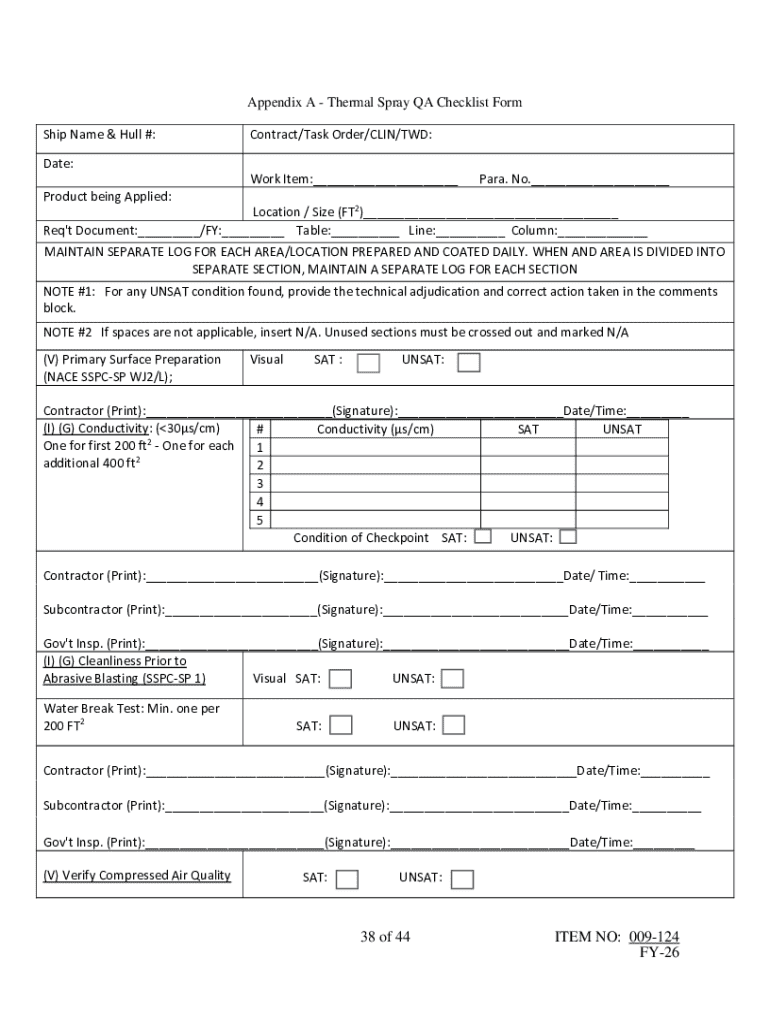
Using the NAVSEA Standard Item involves following a series of detailed steps and procedures specified within the document. Personnel must first identify the relevant section of the standard that applies to their specific maintenance or repair activity. Once identified, users must strictly adhere to the outlined processes, including any safety protocols and documentation requirements. These standards are crucial for ensuring that all actions meet the Navy’s stringent quality and security benchmarks. Practical examples include preparing surfaces for thermal spray nonskid applications or conducting quality assurance tests on repaired systems.
Key Elements of the NAVSEA Standard Item
Several key elements define the NAVSEA Standard Item. These include comprehensive guidelines on surface preparation, ensuring surfaces are ready for coating or repairs. Application procedures specify exact methods and materials to be used, while quality assurance measures outline the criteria for inspections and tests that validate the completion of tasks to standard. Environmental considerations are also critical, addressing issues such as waste management and pollution prevention during operations. Each section is crafted to ensure that maintenance tasks are performed uniformly and are in alignment with naval operational standards.
Steps to Complete the NAVSEA Standard Item
Completing a NAVSEA Standard Item involves a methodical approach. Initially, personnel conduct a thorough review of the applicable standard items. This is followed by an assessment of the resource requirements, including manpower and materials. Next, tasks are carried out following the specified guidelines, ensuring compliance with safety and environmental directives. Concluding the process, a comprehensive inspection and quality assurance check is performed, documenting the work done and any deviations or issues encountered. Each step must be meticulously recorded to maintain transparency and traceability.
Important Terms Related to NAVSEA Standard Item
Several important terms are commonly associated with the NAVSEA Standard Item:
- Surface Preparation: This involves cleaning and conditioning surfaces to ensure proper adhesion of coatings.
- Quality Assurance: A systematic process to check conformity with set standards.
- Thermal Spray Nonskid (TSN): Refers to a specific type of coating applied to surfaces to provide a non-slip finish.
- Certification: Official recognition that a person or organization meets defined competency standards.
- Environmental Regulations: Rules concerning the environmental impact of maintenance activities.
Understanding these terms is essential for effectively interpreting and applying the NAVSEA Standard Item.
Legal Use of the NAVSEA Standard Item
The legal framework surrounding the NAVSEA Standard Item grants it significant authority in naval maintenance operations. It is mandated by NAVSEA and compliance with its instructions is not merely recommended, but required for all relevant activities aboard naval vessels. Legal use involves adhering to all prescribed instructions without deviation unless officially sanctioned by NAVSEA. Non-compliance can lead to severe penalties, including contractual termination and legal repercussions, underscoring the importance of following the guidelines precisely.
Who Typically Uses the NAVSEA Standard Item
The NAVSEA Standard Item is predominantly used by naval shipyards, contractors, and certified personnel who are responsible for the maintenance and repair of U.S. naval vessels. These include engineers, maintenance crews, quality assurance inspectors, and project managers working within the defense sector. Civilian contractors who are involved in retrofitting or overhauling naval vessels also frequently use this document, as it provides the necessary standards to ensure the safety and operational readiness of naval assets.


Examples of Using the NAVSEA Standard Item
Practical examples of the NAVSEA Standard Item in use include the application of thermal spray nonskid to decks of naval vessels, ensuring they meet nonskid performance criteria. Another example is the repair of hull coatings, where precise instructions must be followed to prevent corrosion and maintain integrity. Quality control processes might involve inspecting completed work under the standards to certify compliance before a vessel is deemed ready for deployment. Each example underscores the importance of rigidly adhering to the detailed requirements laid out in the standard.
Versions or Alternatives to the NAVSEA Standard Item
While the NAVSEA Standard Item is a comprehensive set of guidelines, there may be alternative documents or newer versions that are periodically issued to incorporate technological advances or updated regulations. These include amendment notices, updates to existing standards, or entirely new documents that replace older versions. It's critical for users to always refer to the most current version of the NAVSEA Standard Item to ensure compliance and relevance. Additionally, supplemental manuals may exist to cover areas not detailed in the main document.




