




01. Edit your form online
Type text, add images, blackout confidential details, add comments, highlights and more.

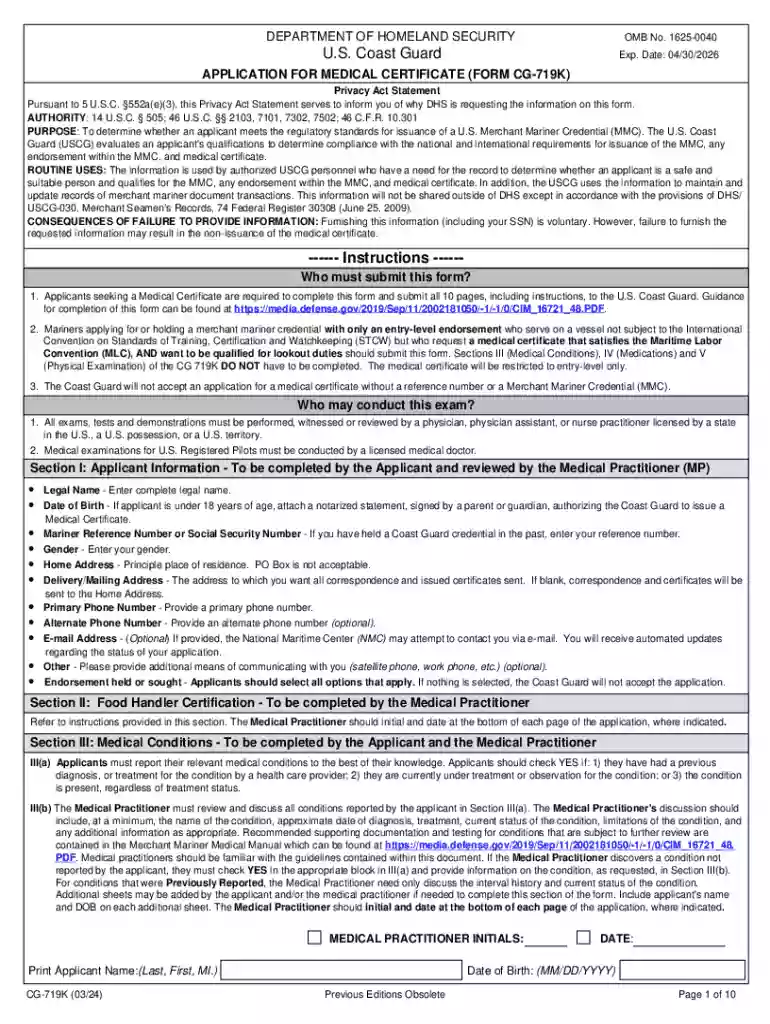
Type text, add images, blackout confidential details, add comments, highlights and more.

Draw your signature, type it, upload its image, or use your mobile device as a signature pad.

Send it via email, link, or fax. You can also download it, export it or print it out.
"Date: 04 30 2026" typically refers to a specific date format commonly used in the United States. In this format, "04" represents the month (April), "30" the day, and "2026" the year. This structure follows the month-day-year order, which is standard in American date notation. Understanding this format is crucial for various applications, including documentation, contracts, and formal communication within the U.S., where clarity on date representation helps avoid misunderstandings and errors.
Using "Date: 04 30 2026" in legal documents, such as contracts or agreements, ensures chronological accuracy and compliance with United States standards. Legal documents often require precise date formats to establish clear timelines and obligations between parties. The use of this date format is consistent with U.S. legal practices, which prioritize clarity and unambiguous interpretation in legal contexts.
The key components of "Date: 04 30 2026" include its placement within documents as a timestamp or an event indicator. It serves as a crucial reference point for deadlines, validity periods, or effective dates.
Accurate use of "Date: 04 30 2026" in documentation involves several steps to ensure it is executed correctly on forms and legal documents.
Various professionals and entities utilize "Date: 04 30 2026" across different contexts.
This date format helps ensure uniformity and prevents misinterpretation among diverse users across sectors.


"Date: 04 30 2026" might serve as a deadline for specific government filings, tax submissions, or compliance reports.
Failing to recognize such deadlines can result in penalties or non-compliance issues.
Non-compliance with important dates like "Date: 04 30 2026" can lead to various penalties depending on the context in which the date is used.
The placement and significance of "Date: 04 30 2026" indicate the preferred method for form submissions.
Choosing the correct method depends on the requirements of the receiving entity and the need for immediacy or record-keeping.
States may have unique regulations or preferences for document submissions requiring "Date: 04 30 2026."
Understanding state rules helps ensure compliance and avoid rejections or delays in processes involving this date.
Using "Date: 04 30 2026" in digital solutions like TurboTax or QuickBooks involves ensuring compatibility with date inputs.
Employing compatible software streamlines date management and minimizes errors in financial calculations and reporting.
We've got more versions of the Date: 04 30 2026 form. Select the right Date: 04 30 2026 version from the list and start editing it straight away!
At DocHub, your data security is our priority. We follow HIPAA, SOC2, GDPR, and other standards, so you can work on your documents with confidence.




Start Date: + 13 Days: 2026-09-16 + 30 Days: 2026-10-03 - 30 Days: 2026-08-04 - 90 Days: 2026-06-05 6 Months: 2026-03-03
Calendar for April 2026. Birthdays. April 2, Shiranui Flare. April 4, Mori Inugami Korone. April 30, Kageyama Shien. Calendar. Mon, 31 Aug 2026 01:56:14 +Read more


