Key Elements of the Form Online
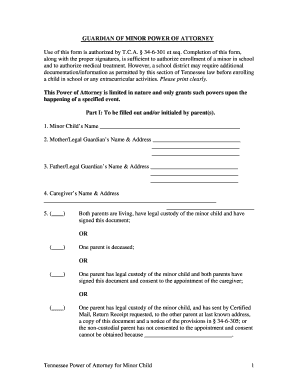
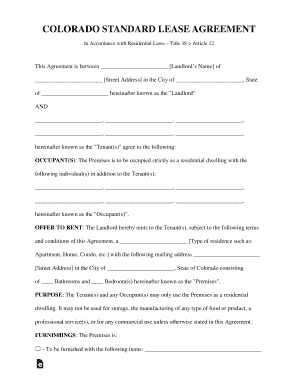
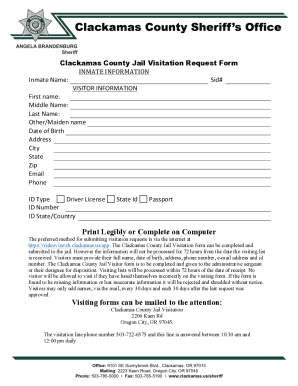
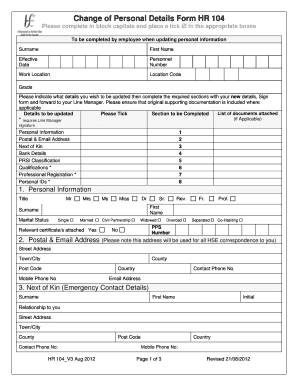
The concept of a "form online" encompasses various aspects crucial for its effective use. Notably, these forms are designed to streamline data collection by allowing users to input information directly into designated fields. Common elements of an online form include text boxes, radio buttons, checkboxes, and dropdown menus. These components value user experience by ensuring ease of completion and reducing the potential for errors that can occur with manual entry.
Online forms enhance accessibility, enabling completion and submission from any location with an internet connection. Moreover, the design may include responsive elements to accommodate users on both desktop and mobile devices. With a focus on security, such forms often incorporate SSL encryption to protect user data during submission. It's essential for the form to have a clear structure and logical flow to guide users seamlessly through the process.
Steps to Complete the Form Online
Completing an online form involves a series of straightforward steps designed for user convenience. First, access the form via a direct link or a website. Ensure your internet connection is stable to avoid disruptions. Begin by entering your personal or required information in the designated fields. Pay careful attention to mandatory fields, often marked with an asterisk or highlighted.
Next, review the information you have provided to check for accuracy. Double-check essential details such as names, contact information, and numerical entries. Once verification is complete, look for any additional sections requiring your attention. Some forms may include instructions at each step, acting as a guide to ensure thoroughness.
Finally, submit the form by clicking the designated button, typically labeled "Submit" or "Send." If applicable, you may receive a confirmation message or email verifying your submission was successful. Keep a record of this confirmation for future reference or potential disputes.
How to Obtain the Form Online
Accessing a specific form online entails a few critical steps. Primarily, the form might be available directly from a relevant website or through a search engine query. When searching, use precise keywords related to the form's purpose or designate to filter results effectively.
Additionally, many government and organizational websites offer downloadable forms in various formats such as PDF or DOC. Ensure you are accessing the correct form version by reviewing any available form numbers or revision dates displayed on the page or within the document itself. Some forms may also offer editable versions to facilitate on-screen completion before printing.
In some cases, registration or account creation may be required to access or download the form. Proceed to create an account if necessary, ensuring to use recognizable and verifiable information to streamline future accesses or interactions with the issuing entity.
Who Typically Uses the Form Online
The use of online forms spans multiple demographics, encompassing individuals, businesses, and organizations. Individuals often encounter online forms when applying for jobs, signing up for services, or participating in surveys. Businesses leverage online forms for client interactions, service requests, and data collection efforts. Additionally, forms play a pivotal role in HR compliance, inventory management, and customer service.
Organizations, particularly non-profits, utilize online forms for registration processes, volunteer sign-ups, and donation management. The utility of online forms lies in their universal accessibility and adaptability to numerous fields, ensuring they meet a diverse range of user needs across various sectors.


Legal Use of the Form Online
Ensuring the legal compliance of online forms involves multiple considerations. Primarily, forms must adhere to relevant data protection laws, such as the General Data Protection Regulation (GDPR) or the California Consumer Privacy Act (CCPA), depending on the location. These regulations dictate how personal data is collected, processed, and stored.
Additionally, online forms utilized for contracts or agreements must include terms and conditions clearly. Consent checkboxes are often required to solidify the user's understanding and acceptance of these terms before submission. It's crucial that forms include identifiers such as IP addresses or timestamps for audit trails and validation within legal contexts.
State-Specific Rules for the Form Online
Certain online forms, particularly those related to legal or governmental processes, may be subject to state-specific regulations. Variations may occur in requested information, submission deadlines, or eligibility criteria based on jurisdiction. Therefore, individuals and organizations must verify that they are using the appropriate form version and adhering to their state's particular requirements.
Consulting with local governmental websites or official announcements can provide clarity on these nuances. Failing to meet state-specific guidelines can result in delayed processing, rejection, or penalties, highlighting the need for thorough research and compliance.
Required Documents for Form Online Completion
Completing certain online forms necessitates the provision of supplementary documents. These can include identification proofs, such as a driver's license or social security number, financial records like tax returns or pay stubs, and previous legal documents depending on the form’s context.
Before beginning the form, compile all necessary documentation to ensure a seamless completion process. Accurate and accessible document submission expedites processing time while reducing the likelihood of errors. Be prepared for digital uploads by having scanned copies readily available in accepted formats, commonly PDF or JPEG.
Penalties for Non-Compliance
Non-compliance with requirements attached to online form submission can carry significant repercussions. Individuals may experience application rejections, delays in process handling, or fines. For businesses and organizations, non-compliance might result in legal actions, penalties, or loss of certain privileges or contracts.
To mitigate these risks, it is imperative to thoroughly understand and adhere to all stipulations associated with the form's completion and submission. This includes meeting deadlines, providing accurate information, and ensuring all supplementary documents are correctly uploaded and verified.