Definition & Meaning
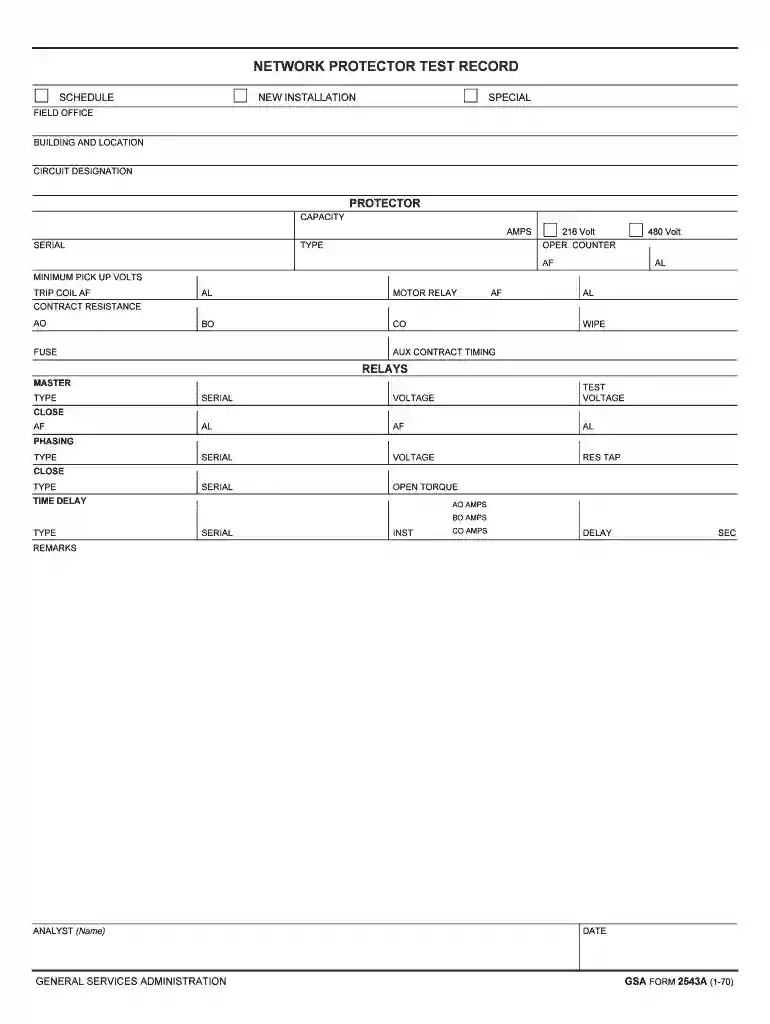
Network Protector PartsGE Renewal parts from PSC are components used in network protectors to ensure the reliable performance of electrical circuits. These parts are essential for maintaining and upgrading network protectors, which play a crucial role in protecting electrical systems from overloads and short circuits. They are specifically designed to fit various models of network protectors, ensuring compatibility and efficiency. These renewal parts are typically high-quality replacements that meet or exceed the original equipment standards set by GE and are distributed by PSC, a supplier known for providing durable and reliable components.
Key Components
- Fuses: Protect against excessive current by breaking the circuit when overloads occur.
- Switches: Enable or disable electric circuits to control the power flow.
- Relays: Electrically operated switches used to control larger circuits with a low power signal.
- Transformers: Manage voltage levels to ensure the safe operation of electrical equipment.
Steps to Complete the Renewal Process
Renewing parts within a network protector involves several key steps to ensure the system’s efficiency and longevity. Here’s a detailed guide on completing this process:
- Identify the Required Parts: Check the network protector specifications or consult the maintenance manual to identify the necessary parts for renewal.
- Purchase from Authorized Distributors: Source parts from authorized distributors like PSC to ensure authenticity and quality.
- Conduct Testing: Before replacement, test the current performance of the network protector to benchmark improvements.
- Replace Parts: Carefully replace the worn components with new ones, following the manufacturer’s guidelines.
- Quality Check: After replacement, perform a quality check to ensure all parts are functioning as expected.
- Document Changes: Keep a detailed record of all parts replaced for future reference and maintenance cycles.
Tips for Efficient Renewal
- Use Proper Tools: Ensure you have the right tools to avoid damage during replacement.
- Follow Safety Protocols: Adhere to all electrical safety guidelines to prevent accidents.
- Regular Inspections: Schedule regular inspections to catch wear before it leads to failure.
Common Use Cases
- Urban Infrastructure: Used in city-based power grids to maintain electrical service continuity.
- Renewable Energy Systems: In wind and solar power installations to support grid integration.
- Data Centers: Network protectors safeguard sensitive equipment from power disturbances.
Important Terms Related to Network Protector PartsGE Renewal parts
Understanding the terminology is essential for effective communication and maintenance:
- Circuit Breaker Components: The mechanical switch that protects an electrical circuit from damage.
- Voltage Regulator: Stabilizes voltage and ensures consistent electrical output.
- Phase Control Units: Manage the power distribution between multiple phases in an electrical system.
- Load Break Switch: Used to disconnect or engage a section of the electrical circuit under nominal conditions.
Detailed Definitions
- Regulator Taps: Points in a transformer used to adjust voltage levels for efficient power transmission.
- Overcurrent Protection: The protection mechanism employed to prevent excessive current flow resulting from short circuits or other faults.
How to Obtain Network Protector PartsGE Renewal parts from PSC
Procuring these parts requires understanding the supply chain and authorized distributors:
- Contact PSC Directly: Reach out to PSC for a catalog of available parts.
- Online Purchase: Utilize PSC’s website or authorized e-commerce platforms.
- Local Distributors: Check with local electrical supply stores affiliated with PSC.
- Request Quotes: For bulk orders, request quotes to ensure competitive pricing.
Shipping and Handling
- Standard Delivery: Most orders have a lead time of three to five business days.
- Urgent Orders: Priority shipping options are available for mission-critical operations.
- Return Policy: Ensure you understand PSC's return policy in case parts need to be exchanged.
Key Elements of the Network Protector PartsGE Renewal parts from PSC
Several elements are critical for ensuring these parts meet operational requirements:
- Compliance: Must adhere to industry standards such as IEEE and NEMA.
- Durability: Should withstand harsh environmental conditions.
- Efficiency: Aim to improve the overall efficiency of the network protector system.
- Interchangeability: Perfect fit for various models, ensuring seamless replacement.
Performance Features
- Enhanced Lifespan: Designed for longevity, reducing the frequency of replacements.
- Reduced Maintenance: Simplifies system upkeep through durable build quality.
- Low Failure Rate: Tested to minimize failure due to stress or prolonged use.
Legal Use of the Network Protector PartsGE Renewal parts from PSC
Legal considerations must be adhered to when employing these parts:
- Adherence to National Electrical Code (NEC): Ensures compliance with all safety regulations and standards.
- Warranty Terms: Understand the warranty provided by PSC and any conditions that might void it.
- Liability Coverage: Users should verify liability coverage for installed parts to safeguard against potential faults.
Compliance Documentation
- Installation Records: Maintain records to validate compliance with installation standards.
- Inspection Reports: Regular inspections should be documented for auditing purposes.
Software Compatibility (TurboTax, QuickBooks, etc.)
Although primarily mechanical, the administration of network protector parts may be documented digitally:
- Inventory Management Software: Tools like QuickBooks assist in tracking parts inventory.
- Project Management Software: Use platforms such as Microsoft Project to schedule maintenance and renewal tasks.
- Analytical Tools: Employ data analysis tools to evaluate system efficiency post-renewal.
Integration Options
- API Interfaces: Enable software integration for real-time updates and tracking.
- Cloud Storage: Use cloud platforms like Google Drive for document storage and sharing related to maintenance events.
State-by-State Differences
Different states may have unique regulations governing the use and installation of these parts:
- California: May have stricter environmental regulations affecting installation.
- Texas: Potentially relaxed rules due to extensive electrical infrastructure.
- New York: Stringent safety regulations can dictate installation procedures.
Regional Regulatory Bodies
- Public Utility Commissions: Oversee and enforce state-specific electric utility regulations.
Conclusion
Understanding the nuances in state regulations can reduce compliance risks and ensure efficient operations.