






Definition & Meaning
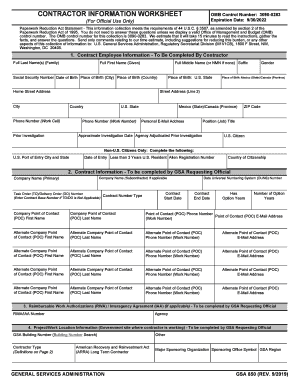
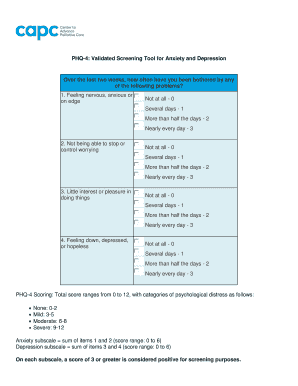
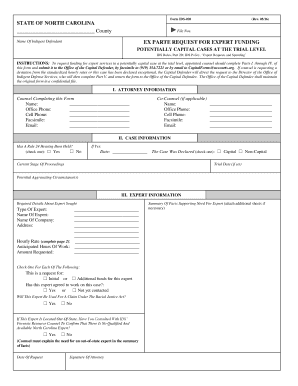
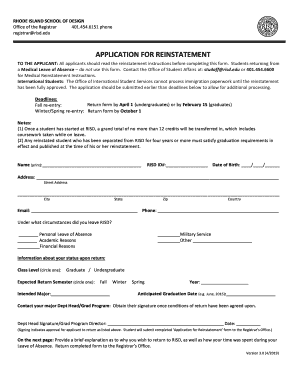
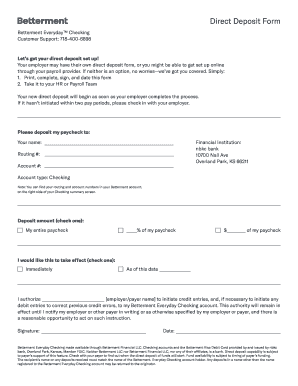
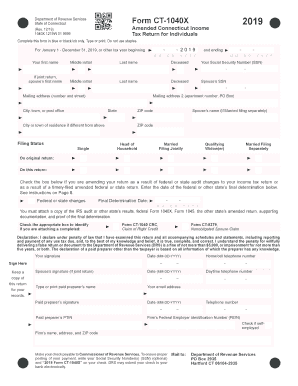
The fro nal form is a documentation tool used in specific legal or administrative processes. Its purpose varies depending on the context, but it often serves as a means of gathering necessary information for official records. The fro nal form can be simplified to streamline data collection and ensure compliance with regulatory requirements. Its structured format facilitates accurate reporting and easy analysis, making it a critical component in many workflows.
Fro nal's design typically includes fields for collecting specific data sets, often tailored to the requirements of a particular organization or legal framework. This specificity ensures that information captured is relevant and complete, preventing omissions that could affect the outcome of the process it supports. Understanding its structure and application is essential for effective use.
How to Use the Fro Nal
Using the fro nal involves following standardized steps to ensure accurate data input. Begin by reviewing the form's sections to familiarize yourself with the required information. This preparatory step helps in gathering all necessary documents and details beforehand, facilitating a smoother completion process.
As you fill out the form, ensure each section is completed according to instructions. Consistency in data entry is crucial to maintain accuracy. Pay particular attention to any notes or instructions provided on the form, as they often contain vital guidance for correctly completing complex sections. Once all data fields are populated, verify for errors or omissions before submission.
How to Obtain the Fro Nal
The fro nal can be accessed through multiple channels depending on its issuing body. Often, it is available for download from official websites of the organization requiring it. Check whether a PDF version is available for digital completion or if a printed version is needed. In some cases, the form might be provided directly by an institution at one of its physical locations.
Ensure you are obtaining the most current version of the fro nal, as forms can be periodically updated to reflect new legal or procedural standards. Verification can be done by checking the revision date or version number on the document, usually found in the footer or the form header.
Steps to Complete the Fro Nal
-
Gather Necessary Information: Collect all data, documents, and details required to complete the form. This may include identification numbers, contact details, and official records.
-
Review Instructions: Read all guidelines provided with the form to understand each section’s requirements fully. Pay special attention to any specific terms that must be defined or processes that must be followed.
-
Fill Out the Form: Enter information accurately in each field. Use clear, legible handwriting or type when possible to ensure legibility.
-
Verify Entries: Double-check all information for accuracy and completeness before submission. Ensure that all mandatory sections are filled out.
-
Submit the Form: Follow the submission guidelines outlined, which may include mailing, online submission, or in-person delivery at a designated location.
Legal Use of the Fro Nal
The fro nal form serves legal functions, such as verifying compliance with regulatory stipulations or documenting transactions. Its usage is governed by specific legal frameworks that dictate how the information collected through the form may be used, shared, or stored.
Individuals and organizations must adhere to privacy laws and regulations when handling personal or sensitive information through the fro nal. This includes ensuring data protection measures are in place and that any use of the information does not breach confidentiality agreements or statutory requirements.
Important Terms Related to Fro Nal
Understanding certain key terms is essential for accurately completing the fro nal. Terms such as "applicant," "beneficiary," and "authorized signatory" often appear in context within these forms, each with distinct meanings relevant to their role in the process.
Other potential terms might include "submission deadline," "supporting documentation," and "compliance certification." Each of these terms indicates a specific requirement or process that must be addressed within the fro nal. Familiarity with these concepts aids in comprehensively responding to all form fields.
Key Elements of the Fro Nal
The fro nal comprises several critical elements including:
-
Identification Section: Requires personal or organizational details, such as name, address, and unique identifiers.
-
Request Details: Outlines the specific request or application being made, clarifying the purpose of the form.
-
Authorization: May include signature lines or consent sections that legally validate the submitted information.
Understanding these key elements aids in effectively completing the form, ensuring that all required information is provided.
Required Documents
When completing the fro nal, certain supplementary documents may be necessary to provide context or substantiation for the information given. Typically, these might include:
-
Proof of Identity: Such as a government-issued ID, passport, or driver's license.
-
Supporting Records: Like financial statements, contracts, or prior correspondences.
-
Authorization Letters: Which may be required if another individual or entity is submitting on behalf of the principal applicant.
Evaluating the documentation requirements ahead of time ensures a smooth submission process and helps prevent delays due to incomplete submissions.
Submission Methods (Online / Mail / In-Person)
The fro nal typically offers several submission methods to cater to various preferences or logistical constraints:
-
Online Submission: Often facilitated through a dedicated portal, allowing for digital uploads and electronic signatures.
-
Mail Submission: Involves sending physical copies to a specified address, usually necessitating original signatures and sometimes witnessing.
-
In-Person Submission: Directly handing in the form at an authorized location, which may allow for immediate feedback or confirmation.
Each method has its own requirements regarding form preparation and proof of submission, so choosing the appropriate option depends on convenience and necessity.