Definition & Meaning
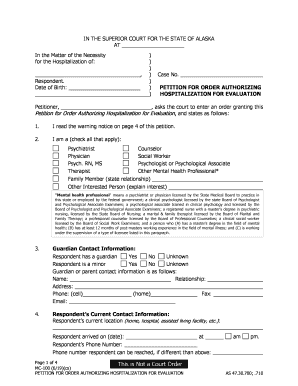
Health screening questionnaire templates serve as structured tools for collecting essential health-related information from individuals. These templates are designed to assess various aspects of a person's health, including medical history, lifestyle factors, and current health status. They are often utilized in healthcare settings to streamline the data collection process, enabling healthcare providers to quickly gather critical information necessary for developing appropriate treatment plans. By offering both PDF and DOC formats, these templates ensure compatibility with a range of digital platforms and devices, facilitating ease of use for both practitioners and patients.
Key Characteristics
- Comprehensive Data Collection: The templates cover diverse areas such as medical history, current medications, allergies, and lifestyle habits.
- Versatile Format Options: Available in both PDF and DOC formats to accommodate different user preferences.
- Facilitation of Efficient Patient Assessment: Allows healthcare providers to promptly identify potential health issues or risks.
How to Use the Templates
Using health screening questionnaire templates involves several straightforward steps that begin with selecting the appropriate template according to the specific health screening needs.
Step-by-Step Guide
- Selection: Choose a template that aligns with the type of health screening being conducted.
- Customization: Modify the template as needed to include or exclude specific questions pertinent to the patient's context.
- Distribution: Share the customized template with patients, either digitally or in print.
- Completion: Patients fill out the questionnaire, providing accurate and honest responses.
- Review and Assessment: Healthcare providers review the completed forms to evaluate the health information provided.
Practical Tips
- Ensure Clarity: Questions should be clear and concise to avoid misunderstandings.
- Confidentiality: Reassure patients that their information will be kept confidential and secure.
Key Elements of the Templates
Health screening questionnaire templates generally include numerous sections that provide a comprehensive evaluation of an individual's health status.
Core Sections
- Personal Information: Collects basic demographic data such as name, age, and contact details.
- Medical History: Documents past medical conditions, surgeries, and family medical history.
- Current Health Assessment: Evaluates present symptoms, medications, and treatment plans.
- Lifestyle and Habits: Inquires about diet, exercise routines, smoking, and alcohol consumption.
- Consent and Authorization: Includes a section for obtaining patient consent to process their data.
Who Typically Uses These Templates
Various professionals and institutions utilize health screening questionnaire templates for different purposes.


Common Users
- Healthcare Providers: Doctors, nurses, and medical practitioners use these forms to gather essential patient information.
- Corporate Wellness Programs: Employers employ these templates to assess employee health and well-being.
- Educational Institutions: Schools may use these for health assessments of students.

Examples of Using the Templates
These templates can be applied across a wide range of scenarios in both clinical and non-clinical settings.
Typical Applications
- Pre-Employment Health Check: Employers may require potential employees to complete a health screening questionnaire before finalizing employment.
- Routine Health Checkups: Healthcare facilities use these questionnaires for annual health screenings.
- Sports Physicals: Athletes often complete health screenings before participating in sports events or activities.
Case Study
A local health clinic implemented these templates to streamline their patient intake process, reducing the time required for initial assessments by 30%, leading to more focused consultations and improved patient satisfaction.
Legal Use and Compliance
Understanding the legal implications of using health screening questionnaire templates is crucial to ensure full compliance with applicable laws.
U.S. Legal Framework
- HIPAA Compliance: Necessary measures should be taken to ensure that patient health information is protected under the Health Insurance Portability and Accountability Act.
- Informed Consent: It is vital to obtain patient consent when collecting and storing personal health data.
- State Regulations: Be aware of any state-specific rules that might affect data collection and storage practices.
Software Compatibility
Health screening questionnaire templates are compatible with various digital platforms to facilitate ease of use and integration.
Supported Formats
- PDF and DOC File Types: These formats ensure compatibility with common software such as Adobe Acrobat and Microsoft Word.
- Integration with Electronic Health Record (EHR) Systems: Many templates are designed to easily integrate with popular EHR systems for seamless data collection and analysis.
State-Specific Rules
Health screening practices can vary across states due to differing regulations and healthcare policies.
Variations by State
- Privacy Laws: Certain states may have additional privacy protections beyond federal regulations.
- Mandatory Health Questions: Specific states might mandate the inclusion of particular health questions in screening forms.
- Consent Requirements: Some states have stricter requirements for obtaining patient consent before using health data.
Understanding these differences is essential for ensuring that the use of health screening questionnaire templates complies with both federal and state laws.