




01. Edit your st19 form online
Type text, add images, blackout confidential details, add comments, highlights and more.

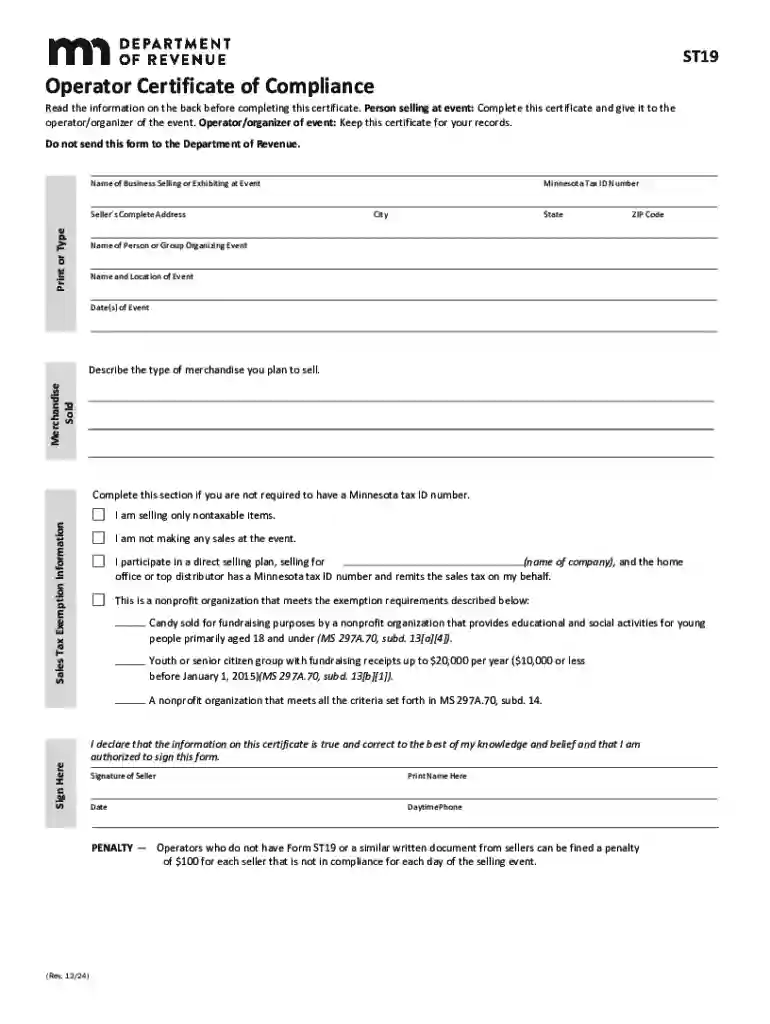
Type text, add images, blackout confidential details, add comments, highlights and more.

Draw your signature, type it, upload its image, or use your mobile device as a signature pad.

Send minnesota zip via email, link, or fax. You can also download it, export it or print it out.
The 2025 Rules and Regulations for the Little Falls Arts and Crafts Fair provide a comprehensive framework designed to guide participants and ensure the smooth operation of the event. These rules outline the requirements and expectations for artists, craftspeople, and vendors, ensuring that the fair maintains its quality standards and adheres to local laws and ordinances. By complying with these regulations, participants help to create a safe and enjoyable experience for all attendees.
Understanding the key elements of these regulations is essential for successful participation in the fair:
To effectively use the 2025 Rules and Regulations, participants should:
To meet the fair's compliance requirements, sellers should follow these steps:
These regulations are primarily used by artists, craftspeople, and vendors who plan to participate in the Little Falls Arts and Crafts Fair. Additionally, event organizers, legal advisers, and compliance officers reference these rules to maintain participant compliance and event integrity.
Artists and vendors are required to adhere to these regulations to:
Non-compliance may result in expulsion from the event and potential legal consequences. It is crucial to follow all outlined procedures and maintain open communication with event organizers for clarification on legal requirements.
Participants should be aware of the critical dates associated with the fair:
Failing to comply with these regulations can result in:
To illustrate how these regulations apply, consider these scenarios:
These examples highlight the practical application of the regulations and the importance of thorough preparation by all fair participants.
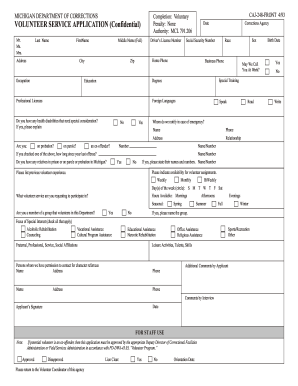
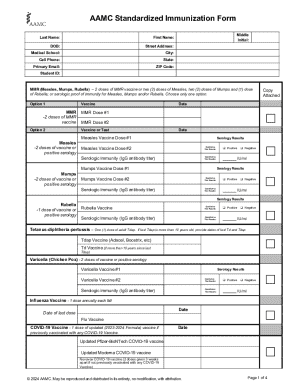
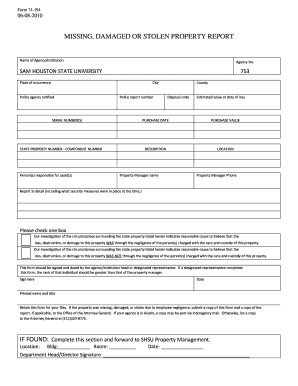
We've got more versions of the st19 form form. Select the right st19 form version from the list and start editing it straight away!
At DocHub, your data security is our priority. We follow HIPAA, SOC2, GDPR, and other standards, so you can work on your documents with confidence.



Youth may exhibit any art or craft that does not meet exhibit requirements in Fine Arts, Needle Craft, Model Craft or Construction and Architectural Replica.
Falls Church Holiday Gift and Craft Show, featuring over 50 vendors, handmade gifts, baked goods, raffles, 223 Little Falls St., Falls. Phone: 703-248-5027


