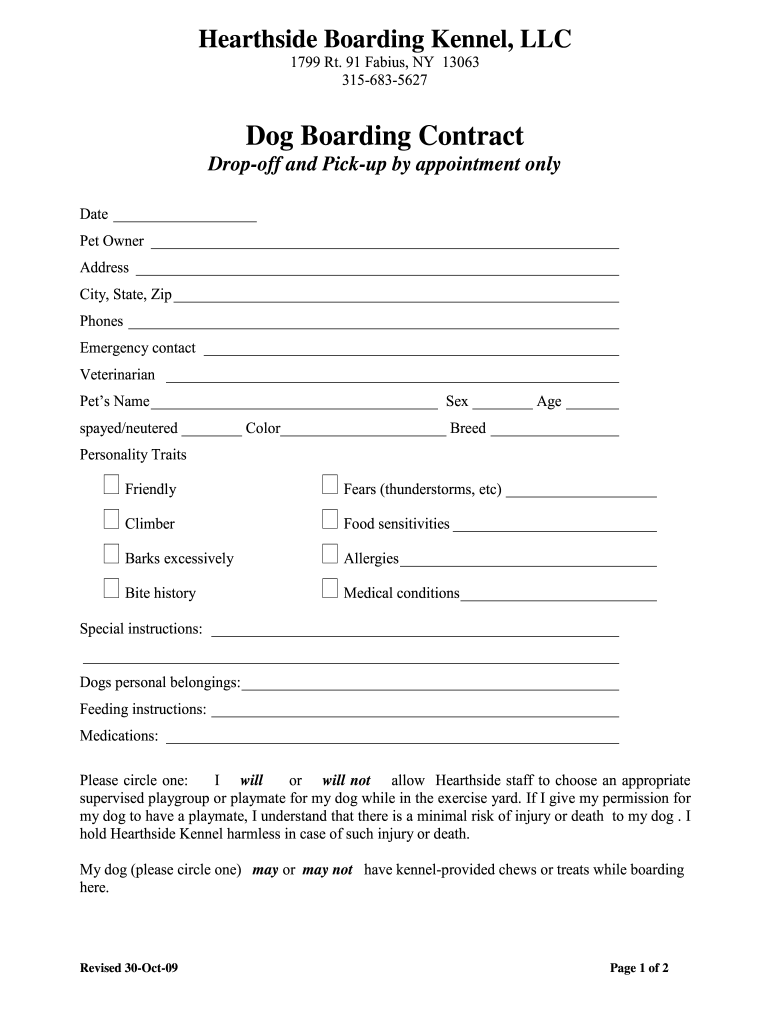







Key Components of a Dog Boarding Contract Template
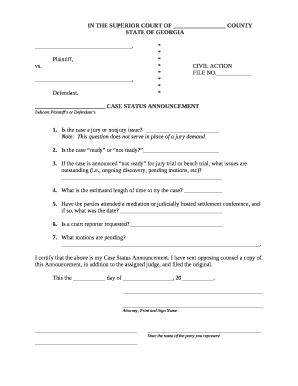
A dog boarding contract template is essential for ensuring clear communication and legal protection between pet owners and boarding facilities. This template outlines expectations, responsibilities, and health provisions while clarifying financial obligations and acknowledging potential risks associated with boarding pets.
Pet Owner and Pet Information
Every dog boarding contract begins with comprehensive details about the pet owner and their pet. This section typically includes:
- Pet Owner Information: Name, address, phone number, and email.
- Pet Details: Name, breed, age, weight, and any relevant behavioral notes. It may also include special needs or medical conditions that require attention.
Accurate and detailed information helps boarding facilities provide tailored care for each pet while allowing owners to communicate specific requirements clearly.
Medical History and Health Care Provisions
A section dedicated to the pet's medical history is critical. This includes:
- Vaccination Records: Up-to-date vaccinations are crucial to prevent the spread of illness to other animals.
- Health Concerns: Details of any chronic conditions, allergies, or medications needed during the stay.
- Emergency Care Instructions: Clear directives on how to handle emergencies, including preferred veterinary services and contact information.
This information ensures that the boarding facility can respond appropriately to health issues and adhere to the pet owner's preferences.
Feeding Instructions and Special Needs
Feeding and special care requirements should be explicitly outlined. This includes:
- Feeding Schedule: Specify meal times, portion sizes, and any dietary restrictions.
- Preferred Food: Include types of food, including brand names or homemade diets.
- Exercise and Playtime Preferences: Owners may state if their dog requires specific exercise routines or activities.
Proper outlining of these instructions aids in maintaining the pet's normal routine and minimizes stress during their stay.
Consent for Playgroup Supervision
If the boarding facility offers group playtime, the contract should cover consent for participation. Key components include:
- Risk Acknowledgment: Owners should recognize the potential risks associated with group play, including injury or stress.
- Supervision Details: Clarify whether staff supervision is provided and in what capacity.
- Refusal of Group Play: Owners may opt out, and this decision should be documented in the contract.
Ensuring that owners understand the playgroup's structure helps mitigate liability for the boarding facility.
Acknowledgment of Risks and Responsibilities
The contract must contain a detailed acknowledgment of risks associated with boarding. This includes:
- General Risks: Potential illness, injury, or behavioral issues that may arise during stay.
- Financial Responsibility: Owners might need to cover costs for any medical care related to incidents during the boarding period.
- Liability Waiver: A clear statement that limits the boarding facility’s liability concerning accidents that may occur, provided there is no negligence.
Having these provisions in the contract is essential for legal protection and clarity.
Signature and Terms of Agreement
A final vital section summarizes the terms of agreement, including:
- Signature Line: Both the pet owner and the facility representative must sign to indicate agreement.
- Effective Date: Clearly state when the contract comes into effect.
- Duration of Stay: Specify the expected duration of the boarding period.
This final acknowledgment solidifies the contract and ensures that all parties are aware of their commitments.
Amendments and Cancellation Policy
Including terms on how to amend or cancel the contract is beneficial. This section should cover:
- Process for Amendments: Clear instructions regarding how changes to the original agreement can be made.
- Cancellation Terms: Outline any fees that apply if the owner cancels or does not show up.
Establishing these policies in advance helps prevent disputes and provides clarity for both parties involved.
Conclusion
The dog boarding contract template serves as a comprehensive tool for safeguarding both the pet owner's and the boarding facility's interests. By covering crucial aspects such as medical history, feeding instructions, group play consent, and risk acknowledgment, this template helps ensure a smooth experience for all parties involved.