Smoke detector log sheet template 2026

Get Form
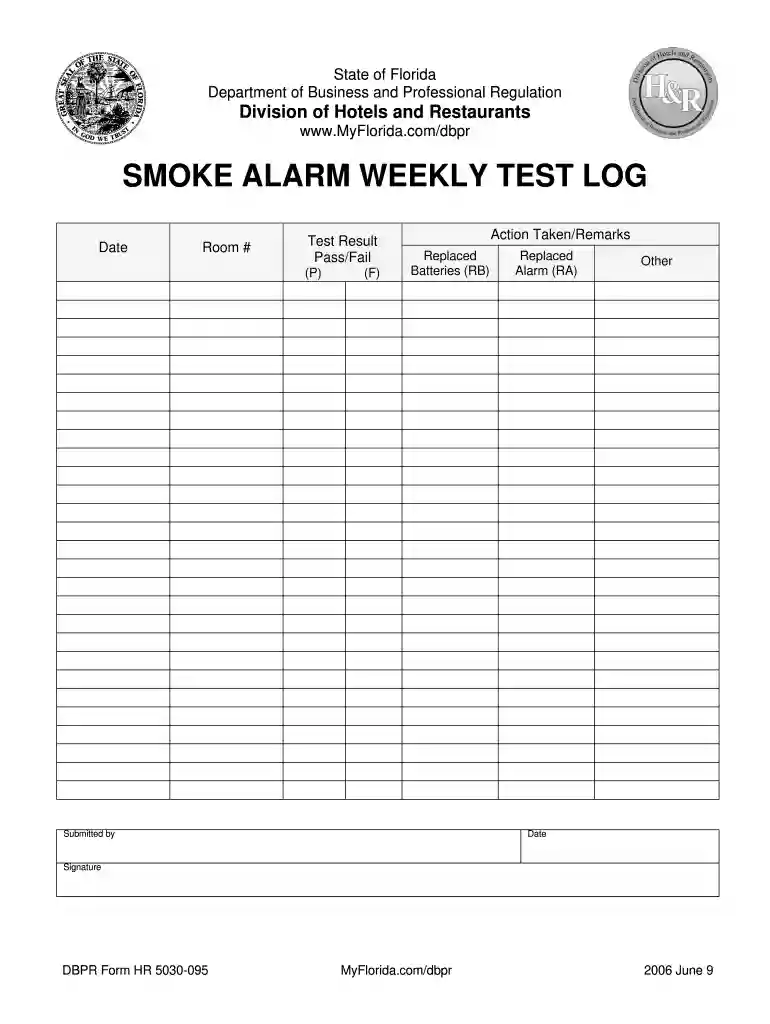
printable smoke detector log sheet template Preview on Page 1

Here's how it works

01. Edit your printable smoke detector log sheet template online
Type text, add images, blackout confidential details, add comments, highlights and more.

02. Sign it in a few clicks
Draw your signature, type it, upload its image, or use your mobile device as a signature pad.

03. Share your form with others
Send monthly smoke detector log via email, link, or fax. You can also download it, export it or print it out.

Definition and Purpose of the Smoke Detector Log Sheet Template

A smoke detector log sheet template is a structured document designed for recording essential information related to the inspection and testing of smoke detectors. This template serves as a critical tool for ensuring compliance with safety regulations and enhancing fire safety measures in various environments, including residential, commercial, and industrial settings.

The primary purpose of this template includes:

  • Recording the date and time of inspections
  • Documenting the specific location and room numbers where smoke detectors are installed
  • Noting test results, including whether the detectors passed or failed
  • Detailing any actions taken, such as battery replacements or repairs
  • Acquiring the necessary signatures of individuals responsible for oversight

Implementing a smoke detector log sheet helps organizations maintain consistent records, facilitating timely maintenance and ensuring that all detectors function correctly to safeguard lives and property.

Key Elements of the Smoke Detector Log Sheet Template

When creating or utilizing a smoke detector log sheet template, certain core components must be included to ensure comprehensive tracking and compliance.

Essential Fields Included in the Template

  • Date of Inspection: Indicates when the test or inspection was completed.
  • Location/Room Number: Specifies where each smoke detector is installed, aiding in precise tracking.
  • Test Results: Captures whether the alarm passed or failed during testing.
  • Actions Taken: Details any subsequent actions that were performed, such as adjustments or parts replacements.
  • Signature of Inspector: Provides accountability by requiring the inspector's signature, confirming the inspection was conducted and results recorded.

These elements collectively ensure that the log sheet is effective in promoting safety and allows for quick reference and review.

Steps to Complete the Smoke Detector Log Sheet Template

Completing a smoke detector log sheet template involves several clear steps that ensure all relevant information is accurately captured.

  1. Gather Necessary Information: Before completing the log, gather all pertinent details, including room numbers and the number of smoke detectors that require inspection.
  2. Inspect Each Smoke Detector: Conduct a thorough inspection of each smoke detector to determine if it is functioning correctly. Perform tests such as pressing the test button or checking for visual indicators of status.
  3. Record Outcomes: For each inspection, document the date, location, and test results on the log sheet. Note any failures or necessary maintenance.
  4. Detail Actions Taken: If any alarms failed, specify what actions were taken, such as replacing batteries, resetting the alarm, or scheduling further repairs.
  5. Finalize with Signatures: Ensure that the individual conducting the inspection signs the document to validate the accuracy of the recorded information.

Following these steps ensures consistency and clarity in documenting smoke detector status and actions, providing a reliable resource for safety compliance reviews.

Importance of the Smoke Detector Log Sheet Template

The smoke detector log sheet template plays a vital role in maintaining fire safety within various environments. It encourages systematic documentation of inspections and tests, which is crucial for several reasons.

  • Regulatory Compliance: Many states and organizations require regular inspections of smoke detection systems. Maintaining accurate records helps meet these legal obligations and avoids potential penalties.
  • Safety Assurance: Regularly documenting inspections ensures that any issues are addressed promptly, thereby enhancing the overall safety of occupants in a building.
  • Easier Audit Processes: For organizations, having a well-maintained log sheet facilitates easier audits by providing verifiable records during inspections by regulatory authorities.
  • Maintenance Tracking: By keeping track of testing results and maintenance actions, organizations can create schedules for future inspections and ensure that smoke detectors are up-to-date and functional.

The smoke detector log sheet template serves not only as a regulatory document but also as a vital tool in ensuring continued safety measures.

Who Typically Uses the Smoke Detector Log Sheet Template

This template is widely utilized by a variety of stakeholders responsible for maintaining fire safety in different settings. Key users include:

  • Homeowners: Individuals managing their personal residences use the log to ensure their smoke detectors function properly.
  • Building Managers: Those overseeing residential or commercial properties depend on the log for compliance with fire codes and safety regulations.
  • Facility Managers: In larger organizations, facility managers utilize the template to track multiple smoke detectors across various locations, ensuring all are maintained.
  • Safety Inspectors: Professionals conducting safety audits or inspections rely on the logs to validate that necessary checks were performed.
  • Fire Departments: Fire safety officers may request access to these logs to evaluate compliance and ensure safety standards are being upheld.

These diverse users underscore the template's versatility in serving different sectors while addressing a common safety need.


decoration image ratings of Dochub

Variants and Alternatives to the Smoke Detector Log Sheet Template

While the basic smoke detector log sheet serves its fundamental purpose effectively, several variants and alternatives can enhance its usability based on specific needs:

  • Monthly Smoke Detector Log: Tailored for more frequent inspections, this version encourages monthly reporting and facilitates ongoing maintenance tracking.
  • Smoke Alarm Inspection Checklist: This format combines checkboxes and fields for conditions observed, allowing for an easy assessment of each detector's state.
  • Digital Log Sheets: Utilizing software or online platforms, these digital variants enable real-time updates, collaboration among multiple users, and automatic backups.
  • Printable PDF Versions: For users who prefer physical documentation, printable formats can be readily filled out and stored manually.
  • Customized Company Logs: Organizations may create branded log sheets that incorporate company logos and specific company procedures, tailoring the document to their operational protocols.

Each variant caters to specific audiences or operational needs while retaining the core functionality of the original smoke detector log sheet template.

See more smoke detector log sheet template versions

We've got more versions of the smoke detector log sheet template form. Select the right smoke detector log sheet template version from the list and start editing it straight away!
Versions Form popularity Fillable & printable
2006 4.8 Satisfied (57 Votes)
be ready to get more

Complete this form in 5 minutes or less

Get form

Got questions?

We have answers to the most popular questions from our customers. If you can't find an answer to your question, please contact us.
Contact us

Signing paperwork on a mobile device is quick, straightforward, and doesn’t require software installation if you have an account with DocHub. Sign in from any browser, complete your blank fields with your information, and click on Sign → Create your signature. You can draw your eSignature just as you usually do on paper, add its picture to your smoke detector inspection checklist, or type in your name and stylize its look. No matter what option you select, your documentation will be valid.

As a comprehensive document editing service, DocHub is available on smart phones. Open DocHub in your choice of mobile browser and employ our smart mobile-friendly toolset to complete your smoke alarm checklist.

A corridor which is 100-feet long and 10-feet wide, for instance, would require 4 smoke detectors under their listed spacing (30-feet spacing on center and 15-feet to the corridor ends).
Presently the California State Building Code requires that smoke alarms be located in 1) the hallway outside the bedrooms 2) in each bedroom and 3) on every floor regardless of whether there is a bedroom on that floor. The California State Building Code has required this at least since 2007.
According to the National Fire Protection Association (NFPA), you should smoke detectors on every floor of your home, in each bedroom, outside of sleeping areas, and in hallways. The NFPA suggests a maximum distance of 30 feet between each smoke detector.

Security and compliance

At DocHub, your data security is our priority. We follow HIPAA, SOC2, GDPR, and other standards, so you can work on your documents with confidence.

Learn more
ccpa2
pci-dss
gdpr-compliance
hipaa
soc-compliance
be ready to get more

Complete this form in 5 minutes or less

Get form

People also ask

Covering the smoke detector with a dishcloth can work. You could also use a shower cap or a rubber band and plastic wrap to temporarily disable the smoke detector. Once again, it is important to remember to uncover it when you are finished cooking.
NFPA 72 requires that all points on the ceiling have a detector within a distance of 0.7 times the listed spacing of the detector.
0:59 2:14 How To Smoke and Carbon Monoxide Detectors - YouTube YouTube Start of suggested clip End of suggested clip Place wall anchors into the hole and tap them flush with the wall or ceiling. Drive. The screwsMorePlace wall anchors into the hole and tap them flush with the wall or ceiling. Drive. The screws through the bracket into the anchors insert the batteries into your alarm attach.
Socks belong on the floor or on your feet, not hanging off the ceiling over the smoke detector.
Cover the Detector Covering the smoke detector with a dishcloth can work. You could also use a shower cap or a rubber band and plastic wrap to temporarily disable the smoke detector. Once again, it is important to remember to uncover it when you are finished cooking.

smoke alarm test record sheet