Get and manage Legal Orders online

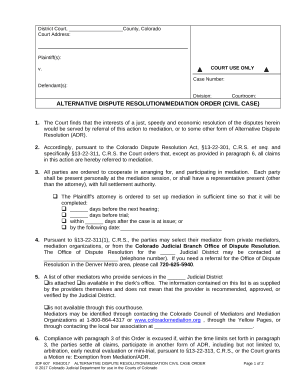
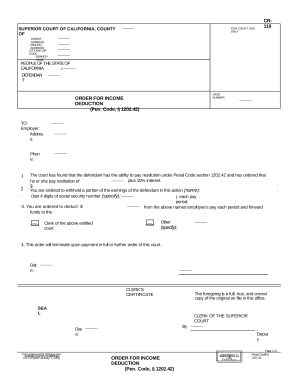
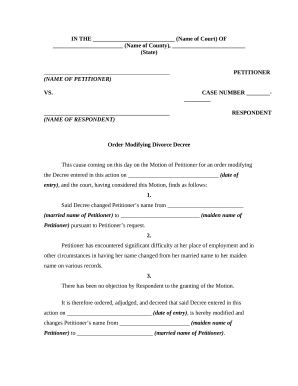
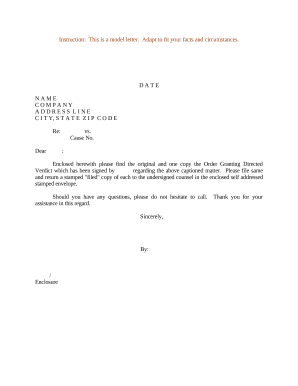
Boost your file administration with the Legal Orders collection with ready-made document templates that meet your needs. Access your form, edit it, complete it, and share it with your contributors without breaking a sweat. Begin working more efficiently together with your forms.

The best way to manage our Legal Orders:

  1. Open our Legal Orders and search for the form you want.
  2. Preview your form to ensure it’s what you want, and click Get Form to begin working on it.
  3. Modify, include new text, or point out important information with DocHub features.
  4. Fill out your form and preserve the adjustments.
  5. Download or share your document template with other recipients.

Discover all the possibilities for your online file management using our Legal Orders. Get your free free DocHub account right now!


Video Guide on Legal Orders management

video background

Commonly Asked Questions about Legal Orders

order. 1) n. every direction or mandate of a judge or a court which is not a judgment or legal opinion (although both may include an order) directing that something be done or that there is prohibition against some act.
Legal Order Debit Franchise Tax Board, it means a court has told someone to take money from an account to pay taxes. This happens when people havent paid their state taxes or are breaking tax laws. Its a way to make sure they follow the rules and pay what they owe.
No, unfortunately, you cannot remove a hold on your bank account yourself. The best ways to expedite the process are by contacting your bank or by taking steps to prevent holds from happening in the first place.
A legal order LTS is a bank fee that is charged to the member when a court order requests the investigation of their bank account for legitimate circumstances, including child support, injunctions, levies, subpoenas, tax liens, and wage garnishments.
A LEGAL ORDER is AN aggregate or a plurality of general and. individual norms that govern human behavior, that prescribe, in other words, how one ought to behave. That behavior is prescribed in a norm or, what amounts to the same thing, is the content of a norm means that one ought to behave in a certain way.
Generally, a bank account is frozen because you owe someone money. Most creditors need to sue you in court and win a judgment in order to have your bank account frozen.
Legal processing fees are charged when a bank has to review or take action on your account based on an order from a court. This can be anything from responding to a subpoena for your bank records to the IRS garnishing your wages to pay back taxes.
A legal order means that someone has a judgment against you, and they used that judgment to take money out of your bank account. Not all judgments are reported on a credit report - if its for a rental property, for example, or a friend who loaned you money, you wouldnt always see that.