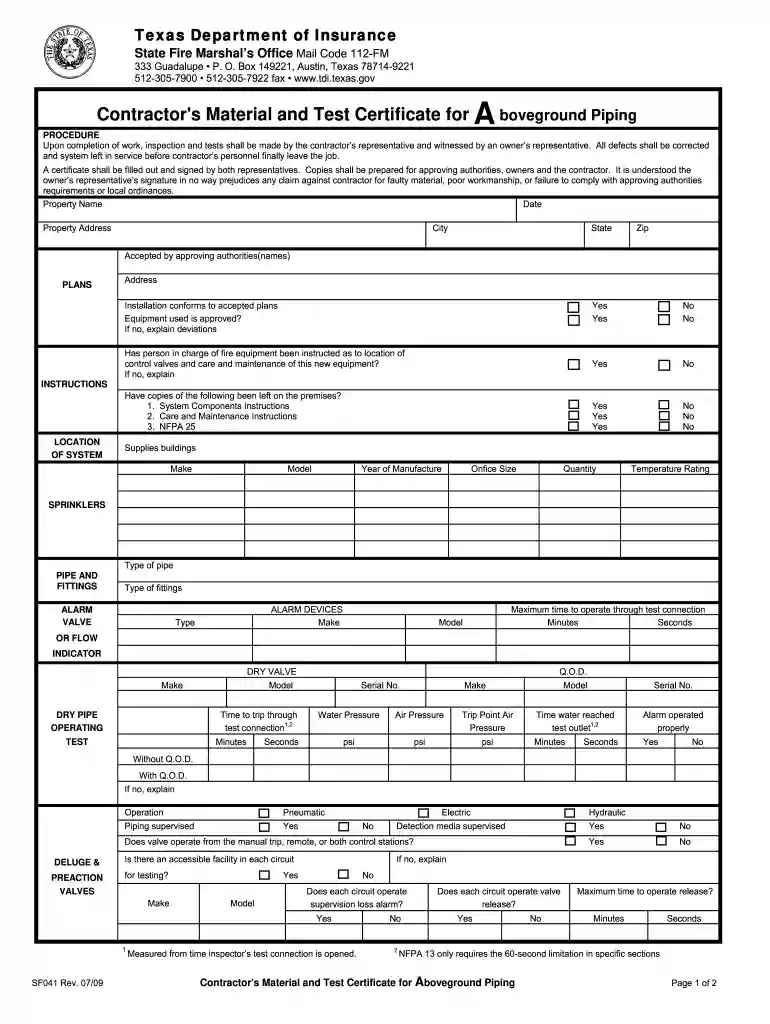
Definition & Meaning
A material test certificate format in Word serves as a formal document that verifies the properties and conformity of materials used in various applications, from construction to manufacturing. This document is essential for assuring stakeholders, regulatory bodies, and clients that the materials meet specific standards and specifications. It typically includes details about the material type, tests conducted, results, and compliance with applicable standards.
The content of this certificate usually spans several sections, including:
- Material identification: Specifies the type of materials and their unique characteristics.
- Testing methods: Details the procedures employed to assess the materials.
- Results: Presents the findings from the tests, including physical and chemical properties.
- Compliance statements: Verifies that the materials comply with relevant standards.
- Signatures: Confirms approval by authorized representatives, ensuring accountability and authenticity.
Understanding the definition and significance of a material test certificate format in Word is crucial for industries dealing with compliance, safety standards, and quality assurance.
Key Elements of the Material Test Certificate Format in Word
A well-structured material test certificate must include essential elements that ensure clarity and completeness. Key components typically cover:
- Header Section: This includes the title "Material Test Certificate" along with the issuing company or laboratory's name, logo, and address.
- Material Details: Information about the specific materials tested, including descriptions, grades, and identification numbers.
- Testing Information: A record of the tests performed, along with the methods employed and any pertinent standards referenced (such as ASTM or ISO standards).
- Results: This segment should present the outcomes of the tests, often in tabular form for clarity. Each property tested should clearly show if it meets the required standards.
- Conclusion and Compliance Statement: Summarizes the findings and indicates whether the materials pass or fail based on the tested criteria.
- Approval Section: Space for signatures and dates from the representatives of both the testing laboratory and the client, reinforcing the legitimacy of the document.
By including these key elements, the material test certificate format enhances transparency and facilitates communication among all stakeholders involved.
Who Typically Uses the Material Test Certificate Format in Word
Various professionals and industries utilize the material test certificate format in Word to ensure compliance with quality and safety standards. Typical users include:
- Construction Engineers and Architects: These professionals require material test certificates to verify that the materials used in their projects are safe and meet design specifications.
- Manufacturers: Those involved in producing products need these certificates to ensure their raw materials meet required quality standards, enhancing product reliability.
- Quality Assurance Personnel: Individuals in quality control roles depend on material test certificates to confirm that materials comply with industry standards during the production process.
- Regulatory Bodies: Various governmental and trade organizations may request these certificates as part of compliance checks to safeguard public safety.
- Clients and Project Owners: Often ask for these certificates to ensure that they are receiving materials that meet the agreed specifications, fostering trust and accountability.
Understanding these varied users helps highlight the critical role of the material test certificate format in Word within multiple operational contexts.

Steps to Complete the Material Test Certificate Format in Word
Creating a material test certificate format in Word involves a series of organized steps that ensure thorough documentation and compliance. The following steps guide users in completing this certificate:
- Select a Template: Open Microsoft Word and choose a professional template suitable for a material test certificate to ensure a clear layout.
- Insert Header Information: Fill in the header section with the issuing organization's name, logo, and contact details. Clearly state "Material Test Certificate" as the title.
- Detail Material Information: Include relevant details about the tested materials, such as type, grade, specification, and any identification or batch numbers.
- Document Testing Procedures: Clearly outline the types of tests conducted, referencing standardized procedures where applicable, and include the dates of testing.
- Present Test Results: Use tables or bullet points to provide clear, concise results of each test conducted, indicating whether they conform to required standards.
- Include Compliance Statement: Summarize findings and state whether the materials meet specified criteria. This enhances clarity for stakeholders.
- Sign and Date: Provide space for signatures from authorized representatives of the testing laboratory and client to finalize the certificate.
Following these steps ensures an effective and compliant material test certificate that meets industry standards.
Examples of Using the Material Test Certificate Format in Word
Real-world applications of the material test certificate format in Word can vary significantly across industries. Here are prominent examples:
- Construction Industry: A contractor for a high-rise building may require concrete test certificates to ensure the concrete used meets strength specifications. The material test certificate details the compressive strength results, ensuring the safety and durability of the structure.
- Manufacturing: An automotive parts manufacturer may need a certificate for steel material used in component production. This certificate would document tensile strength and yield point results, verifying it meets safety guidelines.
- Environmental Compliance: A supplier of chemicals may present a material test certificate to demonstrate that their products conform to environmental regulations, detailing hazard classifications and safety handling instructions.
- Aerospace: In advanced manufacturing sectors like aerospace, compliance with strict regulations necessitates the use of material test certificates to validate the integrity of materials like titanium and aluminum alloys used in aircraft.
These examples illustrate how the material test certificate format in Word serves as a vital tool for documentation and assurance across various fields.
Legal Use of the Material Test Certificate Format in Word
The material test certificate format in Word plays a critical role in legal compliance within many industries. Understanding its legal implications involves several key aspects:
- Certification Requirement: Many regulatory frameworks mandate that companies must provide material test certificates to confirm compliance with safety and quality standards. Failing to provide such documentation can lead to legal ramifications, including fines and project shutdowns.
- Contractual Obligations: Various contracts stipulate that contractors supply valid material test certificates for all materials used. This legal obligation ensures adherence to project specifications, safeguarding all stakeholders involved.
- Liability: In cases of material failure leading to accidents or damages, having a certified document strengthens defense against liability claims. It serves as evidence that due diligence was exercised in material selection and compliance with standards.
- Quality Assurance: Legal usage extends to maintaining quality assurance systems, where companies must demonstrate they adhere to established norms through documented material test certificates, facilitating audits and inspections by authorities.
Understanding the legal landscape surrounding material test certificates is essential for adherence to industry regulations and minimizing potential risks.