




Third-Party Claim Basics
A third-party motor claim form is used when one driver believes another driver was responsible for a vehicle accident and wants to notify an insurer or claims administrator. In a U.S. insurance context, this form usually captures the details needed to assess fault, document damage, and begin the liability claims process. It is different from a first-party claim, which is filed with the claimant’s own insurer for their own coverage benefits.
The term third party refers to the person making the claim against someone else’s insurance policy. For example, if another driver rear-ended a vehicle at a stoplight, the damaged driver may complete a third party motor claim form to provide their account, vehicle details, witness information, and repair estimates. The form helps the insurer gather facts before making a coverage or liability decision.
These forms are commonly used after collisions involving private passenger vehicles, commercial vehicles, rideshare vehicles, rental cars, and sometimes motorcycles or light trucks. They can also appear when a parked car is damaged, a driver flees the scene, or property beyond the vehicle is involved, such as a mailbox, fence, or storefront. In each case, the form supports documentation of who was involved, what happened, and what losses are being claimed.
A third-party motor claim form is not a guarantee of payment. It is an intake document that starts the review process. The insurer typically evaluates police reports, photos, recorded statements, repair estimates, medical records if applicable, and policy details before deciding whether the claim is accepted, denied, or partially paid.
In practice, the form is often the first formal step in a liability claim. It may be used by the other driver, a passenger, a pedestrian, a vehicle owner, or a business whose vehicle was damaged. It may also be required by an attorney, repair shop, fleet manager, or claims representative who is organizing the file.
Because motor-vehicle liability rules differ by state, the form usually asks for enough factual detail to help determine negligence, comparative fault, and damages. That can include road conditions, traffic signals, weather, lane position, and whether any injuries were reported at the scene.
When the Form Is Used
A third-party motor claim form is typically used after a crash when the claimant is seeking compensation from another party’s insurance rather than their own. The most common scenario is a two-car collision where one driver believes the other caused the damage through unsafe driving, distraction, failure to yield, speeding, or another negligent act.
The form is also used in less obvious situations. These include multi-vehicle pileups, hit-and-run incidents where the at-fault driver is later identified, parking lot collisions, door impacts, and incidents involving commercial vehicles. In business settings, the form may be used when a delivery truck, company van, or employee-operated vehicle causes damage while on duty.
There are also cases where the third-party claim is not only about the vehicle itself. A claimant may use the form to report towing charges, rental car costs, lost use of a vehicle, personal property damage inside the car, or injuries that resulted from the crash. The exact scope depends on the insurance company’s process and the applicable state law.
A practical example is a driver who is struck while legally crossing an intersection on a green light. The third-party form would help document the date, time, vehicles, point of impact, witnesses, and the claimant’s requested repairs. Another example is a driver whose car is hit while parked outside a store. The form would focus on the absence of fault by the claimant, the damage location, and any surveillance or witness evidence.
The form is often used early in the claim timeline, before repair work starts. In some cases, the insurer may ask for it before assigning an adjuster. In others, the form supplements a phone report or online notice already submitted through a claims portal.
Third-party forms may also be used when a commercial insurer needs to manage claims across multiple drivers or vehicles. A fleet operator, for instance, may receive a claim notice from a person claiming that a company driver caused damage. The form helps standardize the information gathering process and reduces missing details.
Information Commonly Requested
Most third party motor claim forms request basic identifying information first. This usually includes the claimant’s full name, address, phone number, email address, and preferred contact method. Some forms also ask for the vehicle owner’s name if different from the driver, especially when the damaged car is registered to a family member, employer, or leasing company.
The accident details section is usually the most important part of the form. It often asks for the date, time, location, direction of travel, weather, traffic control devices, and a description of how the collision occurred. Many forms also request a brief narrative of the sequence of events in the claimant’s own words.
Vehicle information is another major category. This may include year, make, model, color, license plate number, VIN, mileage, and whether the car was drivable after the collision. If the vehicle was towed, the form may ask for the tow yard location and the towing company name. If the vehicle is leased or financed, that may also be recorded.
Damage details are usually required. Claimants may need to identify which side of the vehicle was struck, what parts were damaged, and whether the damage appears cosmetic, structural, or mechanical. It is also common to list any visible injuries, even if medical treatment has not yet occurred.
Many forms ask for information about other people involved. This may include the at-fault driver’s name, insurer, policy number, vehicle plate number, and contact details. If there were passengers or witnesses, their names and statements may be requested as well.
Supporting evidence often strengthens the claim. Common attachments include:
- Photos of both vehicles and the accident scene, which help show impact points and roadway conditions.
- A police report or incident number, which may provide an independent account of the crash.
- Repair estimates or invoices, which help quantify property damage.
- Medical documentation, if the claim includes bodily injury.
- Witness statements, dashcam footage, or surveillance images, when available.
Some insurers also ask whether any prior damage existed on the vehicle. This helps separate accident-related damage from preexisting issues. If there was prior damage, a claimant may need to explain where it was located and how the new damage differs.
How to Complete It
The strongest third-party claim submissions are clear, factual, and consistent. The form should be completed using the actual events as accurately as possible, without speculation. If a fact is unknown, it is better to mark it as unknown than to guess. That is especially important for time, speed, point of impact, and the other driver’s actions.
The accident narrative should be concise but complete. A useful description often includes the claimant’s lane position, traffic signal status, road conditions, the direction of travel, and the specific moment the collision occurred. For example, saying “Vehicle A was stopped at a red light when Vehicle B struck the rear bumper” is more helpful than a vague statement such as “The other car hit me.”
If the form includes diagrams, the claimant should use them carefully. Marking the direction of travel, the point of impact, and vehicle positions can help the adjuster understand the event quickly. If the form has space for a diagram but no legend, labels such as “my vehicle,” “other vehicle,” and “northbound” improve clarity.
When the form asks for damages, the claimant should list every area that appears affected, even if some damage seems minor at first. Hidden damage often becomes visible during repair inspection. For example, a rear-end collision may initially show a cracked bumper, but the repair estimate may also reveal damage to sensors, brackets, or the trunk alignment.
If there are multiple parties, each person’s role should be described separately. For example, a driver, owner, passenger, and witness may all have different information. A claimant should not assume the insurer knows who was driving, who owned the car, or who had permission to use it. That information can materially affect the claim.
Before submission, the form should be checked for consistency. Names should match the police report if one exists, vehicle details should match registration documents, and contact information should be current. Inconsistent information can delay the claim or trigger additional investigation.
A practical completion workflow often looks like this:
- Gather accident facts, photos, and documents.
- Fill in identifying details for all involved parties.
- Describe the collision in chronological order.
- List all visible damage and any injuries.
- Attach supporting records, if requested.
- Review the entire form for accuracy before sending it.
Legal and Insurance Context
A third-party motor claim form sits within the broader liability insurance process. In the United States, auto liability coverage generally pays for damage or injury that an insured driver causes to others, subject to policy limits and state law. The form is part of the documentation used to evaluate whether that coverage applies.
The information on the form may be reviewed alongside police reports, statements from the drivers, photos, video evidence, repair invoices, and sometimes medical documentation. In many claims, the insurer’s evaluation centers on fault or comparative negligence, which means more than one driver may share responsibility depending on the state.
The legal significance of the form comes from the accuracy of the statements. A claimant’s description may be used to confirm how the accident occurred, identify damages, and establish the timeline for notice. In some cases, the form may become part of the claim file used in negotiation or litigation.
The form itself usually does not create legal rights, but it can affect how smoothly a claim moves forward. A missing signature, incomplete statement, or unsupported estimate can slow settlement review. If the claim involves an injury, subrogation, uninsured motorist issues, or an employer-owned vehicle, additional legal rules may apply.
There are also state-specific reporting obligations that may run separately from the insurance claim. Some states require drivers to report serious accidents to the DMV or another agency within a set period if injuries, fatalities, or significant property damage occurred. A third-party claim form is not a substitute for those statutory reporting duties.
If a claimant is represented by an attorney, the insurer may direct communications through counsel. In that setting, the claim form may still be used, but the submission process and document exchanges can become more formal. This is common in claims involving bodily injury or disputed fault.
Because insurance law and claim handling rules vary, the same form may have different practical effects in different states. For that reason, claims are often handled with close attention to the policy language, state filing deadlines, and whether the claimant is pursuing property damage, medical expenses, or both.
Required Evidence and Records
Supporting records are often as important as the form itself. A claim with strong documentation is usually easier to evaluate because it gives the adjuster a clearer picture of the loss. The exact evidence required depends on the insurer, the severity of the damage, and whether injuries are involved.
The most common records include a police report, accident exchange information, photographs, and repair estimates. Photos are especially useful when they show the vehicles from multiple angles, the intersection or road layout, license plates, and any skid marks or debris. If available, timestamped photos can help establish sequence and location.
Medical records may be needed if the claim includes personal injury. This can include emergency room records, urgent care records, doctor’s notes, diagnosis codes, imaging reports, and billing statements. These documents help support the connection between the crash and the reported injury.
If the vehicle is being repaired, the insurer may ask for a shop estimate, supplemental estimate, or invoice. A claimant may also need proof of rental expenses if seeking reimbursement for loss of use. In commercial or fleet matters, maintenance records can sometimes become relevant when the insurer needs to distinguish accident damage from prior wear or mechanical failure.
Other useful records may include:
- Dashcam or security footage, which can resolve fault disputes.
- Witness contact details and written statements, which support the claimant’s version of events.
- Tow receipts and storage bills, which help document out-of-pocket expenses.
- Proof of ownership or registration, which confirms who may claim the damaged vehicle.
- Lease or lien information, which may be required when a lender or lessor has an interest in the vehicle.
If the accident involved a commercial vehicle or rideshare driver, additional records may be requested. These can include trip logs, dispatch records, employment status, app screenshots, or delivery records, depending on the circumstances. The purpose is to determine who was responsible and whether another policy may apply.
Filing Deadlines and Timing
Third-party motor claims should be reported as soon as reasonably possible after the accident. While many insurers do not impose the same formal deadline on claimants that exists for some policy obligations, delays can still complicate the investigation and may affect the availability of evidence.
Timing matters because photographs, witness recollections, vehicle damage, and scene conditions are most reliable soon after the crash. If a claimant waits too long, the insurer may have less information to work with, and that can lead to slower processing or additional questions about causation and damages.
There can also be separate legal deadlines that matter. State statutes of limitation may apply if the claim proceeds to a lawsuit, and certain states have notice requirements for government-related claims, transportation entities, or uninsured motorist contexts. Those deadlines are different from the internal timeline for completing a claim form.
If the form is being used to document a property damage claim only, the insurer may still request prompt submission of photos, estimates, and contact details. If medical injuries are part of the claim, the timing can become more sensitive because treatment records, wage documentation, and diagnosis information may need to be collected over time.
An example is a claimant who receives an initial repair estimate but later discovers hidden structural damage. The original form still starts the claim, but a supplemental request may be needed after the repair shop completes the teardown inspection. Early filing helps preserve the claim while the full extent of the damage is determined.
Another example is a hit-and-run crash where the other driver is identified later through surveillance footage. In that case, the initial third-party report may be filed with limited information, then expanded once the at-fault driver and policy information become available. The original submission can still be valuable in documenting the immediate facts.
Common Errors and Delays
One frequent problem is incomplete identification information. Missing policy numbers, incomplete vehicle details, or an incorrect claimant address can delay routing and correspondence. Even something as simple as a transposed phone number can slow the process if the adjuster needs clarification.
A second common issue is inconsistency between the written statement and the evidence. If the form says the claimant was traveling eastbound, but the police report, GPS data, or photos suggest a different direction, the insurer may ask for further explanation. The same applies to the point of impact, signal status, and lane position.
Another delay occurs when the damage description is too vague. Statements such as “front damage” do not show whether the bumper, grille, hood, sensors, headlights, or frame may be involved. Specific descriptions help repair evaluation and reduce back-and-forth communication.
Some claims are slowed by missing attachments. A form submitted without photos, estimate documents, or accident exchange information may still be accepted, but the insurer may place the file on hold until enough evidence arrives. In injury claims, missing medical releases or billing records can create similar delays.
A claimant may also inadvertently weaken the file by estimating speed, fault, or injury severity without enough basis. It is generally safer to state what was directly observed rather than trying to interpret the other driver’s intent or the final legal outcome. For example, “The other vehicle entered my lane suddenly” is more useful than “The other driver was definitely 100 percent at fault,” unless that is supported by evidence and the insurer has already confirmed liability.
Delays can also happen when multiple insurers are involved. In a chain-reaction crash, for example, each carrier may investigate its own insured’s role before agreeing on liability. The claim form is still useful, but the process may take longer while insurers compare notes and review the same set of facts.
Alternative Forms and Related Documents
A third-party motor claim form is related to several other documents used in auto claims, but it serves a distinct role. The most closely related document is a first-party claim form, which the insured uses with their own insurer. A third-party form, by contrast, is used by someone who is not the policyholder but is seeking payment from that policy.
Some insurers use generic loss notice forms rather than a form titled exactly “third party motor claim form.” Others may combine third-party and first-party reporting within one online portal. In those cases, the user still provides the same core information, but the document name may be different.
Related documents often include:
- Accident exchange forms, which collect the identities and insurance details of all drivers.
- Vehicle damage claim forms, which focus specifically on property damage rather than liability.
- Bodily injury claim forms, which request treatment and injury details.
- Subrogation notices, which are used when one insurer seeks reimbursement from another.
- Release forms, which may be signed when a claim is settled and closed.
In commercial claims, an incident report or fleet accident form may be completed internally before a third-party claim is filed. That internal report can become part of the claim file and may be useful if the business vehicle was involved in the collision. Similarly, rental car companies, leasing firms, and rideshare platforms may use their own versions of accident documentation.
There may also be older or state-specific versions of the form. Some insurers redesign their paperwork periodically to reflect updated contact methods, new claim handling processes, or changes in legal disclosure language. The information requested usually remains similar, even if the layout changes.
Digital and paper versions usually ask for the same facts. The digital format may allow uploads of photos, estimates, and signatures, while the paper format may require handwritten entries and mailed attachments. The choice often depends on the insurer’s process, the claimant’s access to technology, and whether the claim is being filed from a repair shop, home, or attorney office.
Real-World Claim Scenarios
A common example is a rear-end collision at a traffic light. The claimant completes the form with the date, intersection, vehicle information, and a description that the other driver failed to stop in time. Photos show a crushed rear bumper and trunk damage. The insurer reviews the claim, asks for a repair estimate, and compares the statement with the police report.
Another example involves a parking lot sideswipe. The claimant’s vehicle was parked and unattended when another car scraped the driver-side doors while backing out. The third-party form would focus on the absence of fault by the claimant, the damage location, and any witness or camera evidence. This type of claim is often supported by surveillance footage from nearby businesses.
A third scenario involves a multi-car highway incident. One vehicle strikes another, causing a chain reaction. The claimant may not know immediately which driver is legally responsible, so the form captures all known vehicles, sequence of events, and police incident details. Multiple insurers may later participate in the investigation.
A fourth scenario involves a business vehicle. A delivery van causes damage to a personal vehicle while making a stop. The claimant files the third-party form using the company name, vehicle plate number, and driver identity if available. In this case, the insurer may also need employment or route information to determine coverage.
A fifth example is a hit-and-run that is later solved. The claimant files the form with limited details, then supplements it after law enforcement identifies the other driver. The original form preserves the timeline, while later documents complete the claim record.
A final example involves both property damage and injury. A claimant may list vehicle damage on the form and attach medical records later if neck or back pain develops. The insurer may process the property portion first and hold the bodily injury portion open until treatment stabilizes and all records are available.
U.S. Claim Handling Considerations
In the United States, third-party motor claim handling is shaped by state insurance rules, comparative negligence standards, and local reporting requirements. That means the same accident may be evaluated differently depending on where it occurred, even when the claim form looks similar.
Some states use pure comparative fault, while others use modified comparative fault rules. This matters because the claimant may recover only a portion of the loss if they are found partially responsible. The claim form itself does not determine fault, but it can strongly influence the insurer’s initial assessment.
State traffic laws can also affect the claim. For example, right-of-way rules, cell phone restrictions, turn signal requirements, and minimum insurance limits all influence how a claim is reviewed. The form often captures the factual details that allow the insurer to apply those rules correctly.
No-fault states add another layer of complexity. In those jurisdictions, certain injury claims may be handled differently from property damage claims, and a third-party claim may be limited in scope depending on the severity of the injury and the available coverage. The claimant may still use the form to document the accident, even if a different benefit path applies for medical expenses.
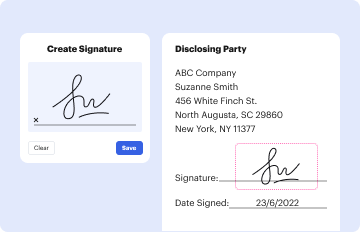
There can also be differences in how insurers accept signatures, electronic records, and document uploads. Many U.S. carriers now accept digital submissions, but some still request paper copies for certain files or when an attorney is involved. The evidence requirements may also vary if the claim is against a commercial policy, rideshare policy, or umbrella policy.
In practice, the most effective U.S. claim submissions are organized, consistent, and supported by documentation. A complete third-party motor claim form, paired with photos, repair information, and a clear statement of events, usually gives the insurer the best basis for processing the claim accurately.