




Understanding the "Convenio de Pago"
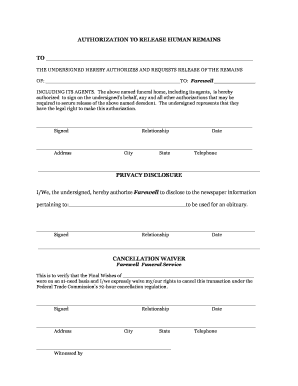
The "Convenio de Pago" is a legally binding agreement that outlines the terms of debt repayment between a creditor and a debtor. Essentially, it is a formal acknowledgment of debt and a structured plan to settle the debt over time. This document is frequently referenced in the context of civil law systems, particularly under articles such as 1792, 1840, 2062, 2094, and 2215 of the Federal Civil Code. It ensures that both parties agree to specific terms, preventing disputes regarding the debt repayment process. The agreement covers essential aspects such as the amount owed, payment schedule, interest rates, and potential penalties for non-compliance.
Steps to Complete the "Convenio de Pago"
-
Identifying Parties Involved: Begin by clearly identifying the debtor and creditor. This includes providing their legal names, contact information, and, in some cases, identification numbers or tax identifiers for accuracy and legal clarity.
-
Detailing the Debt: Clearly specify the amount owed, including both the principal and any applicable interest. This section should also clarify how the debt was incurred to provide context for the repayment agreement.
-
Establishing the Payment Plan: Outline the agreed-upon payment schedule. This may include a series of installments with specified amounts and due dates. The plan should be realistic and take into account the debtor’s financial situation.
-
Defining Interest and Penalties: State any interest rates applicable to the remaining debt and the conditions under which penalties for late payment will be applied. This ensures that both parties understand the financial implications of delayed payments.
-
Including Additional Clauses: If necessary, include clauses about renegotiation terms, conflict resolution mechanisms, or jurisdiction for legal matters. These elements provide a framework for addressing potential issues without invalidating the agreement.
Legal Use of the "Convenio de Pago"
The "Convenio de Pago" serves as a legally enforceable document within a court of law, should disputes arise. It is crucial to ensure the document's compliance with local civil codes and regulations. Jurisprudence often requires both parties to have willingly entered the agreement, with full knowledge of its implications. This is why it is recommended to have the document reviewed by legal counsel before execution. Furthermore, each party's signature, in the presence of witnesses or a notary, can further solidify its legal standing.
Key Elements of the "Convenio de Pago"
- Acknowledgment of Debt: A clear admission by the debtor of the amount owed and the legitimacy of the debt.
- Detailed Payment Plan: A mutually agreed timeline and schedule for repayment, including installment amounts and due dates.
- Interest and Penalty Clauses: Specifications regarding the interest rate on the debt and any penalties incurred for late payments.
- Legal Remedies and Jurisdiction: A framework for resolving disputes, specifying the jurisdiction's legal authority, and potential legal actions.
Importance of the "Convenio de Pago"
Creating a "Convenio de Pago" is vital for establishing a clear understanding between debtors and creditors. It minimizes potential conflicts by providing a documented agreement on how the debt will be handled. This transparency can improve trust and facilitate smoother financial transactions, ensuring that all parties are aware of and agree to the terms and conditions.
Who Typically Uses the "Convenio de Pago"
The "Convenio de Pago" is typically used by individuals and businesses who need to formalize an agreement to pay off debts. This could include private citizens, small business owners, corporations, or financiers looking to recoup loans. It is also favored in situations where more informal arrangements or verbal agreements may not be sufficient for legal protection.

Examples of Using the "Convenio de Pago"
- Personal Loans: When friends or family extend loans to one another, a "Convenio de Pago" can ensure clarity and prevent misunderstandings.
- Business Loans: Companies may use this document when extending or receiving credit from another business entity, ensuring that all payment terms are clear.
Legal Terms Related to the "Convenio de Pago"
Understanding specific legal terminology, such as "acknowledgment of debt," "payment obligations," and "jurisdiction" is crucial when drafting a "Convenio de Pago." Each term has significant implications for how the agreement is constructed and enforced. Familiarity with these terms, perhaps through consultation with legal experts, can ensure that the document is comprehensive and enforceable.