




Definition and Meaning of Pagar
In the context of financial documentation, "Pagaré" refers to a promissory note, a financial instrument recognized under various global jurisdictions. Within the United States, it specifically represents a written promise to pay a specified amount of money at a future date or upon demand to a designated party. This tool is often utilized in personal, business, and governmental transactions, providing a clear, legally binding commitment to settle a debt. Detailed within the articles of the Ley General de Títulos y Operaciones de Crédito (LGTOC), its equivalent standards in the U.S. set forth responsibilities and rights for parties involved.
How to Use the Pagaré
Utilizing a pagaré effectively requires understanding its key components and proper execution. It should clearly outline the amount to be paid, the payment deadline, and the parties involved. Typically, the issuer of the note specifies the conditions under which payment will be executed. For practical use:
- Ensure all terms, including interest rates if applicable, are written intelligibly within the document.
- Both the issuer (or drawer) and the recipient (or payee) should retain a signed copy to avoid potential disputes.
- When engaging in more complex financial transactions, involving legal professionals to validate the terms can provide additional security.
Steps to Complete the Pagaré
To complete a pagaré, adhere to the following structured process:
- Clearly state the amount payable, ensuring no ambiguity in the financial obligation.
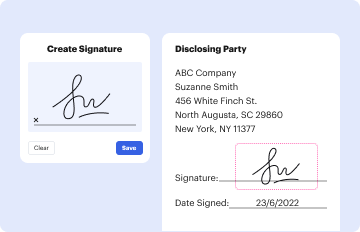
- Identify the payer and payee, including full names and contact information, along with signatures for validity.
- Specify the payment date or upon-demand terms clearly within the document.
- Note any interest conditions and repayment terms besides the principal amount.
- Ensure any modifications post-issuance are cosigned by all parties to uphold legal enforceability.
Important Terms Related to Pagaré
Understanding the terminology specific to pagares aids in effective use:
- Promissory Note: The document itself, functioning as an unconditional written promise by one party to pay another.
- Maker: The issuer of the promissory note, committing to payment.
- Payee: The recipient entitled to the payment specified in the note.
- Maturity Date: The designated deadline by which payment must be made.
- Principal: The original sum of money owed, excluding any applicable interest.
Legal Use of the Pagaré
The legal implications surrounding the use of a pagaré necessitate compliance with applicable state and federal regulations. These notes must adhere to contractual laws ensuring they are enforceable as legal instruments. Essential considerations include:
- Binding nature under the regulations akin to traditional contracts.
- Potential requirement for notarization, verifying authenticity and consent by involved parties.
- Legal recourse available for payees in the event of default by makers, reinforcing the solidity of these instruments in disputes.
Key Elements of the Pagaré
The vital components ensuring the effectiveness of a pagaré encompass:
- Promise to Pay: Clearly articulated and unconditional, forming the instrument's core.
- Payable Amount: Stated in unequivocal terms, both numerically and textually.
- Payment Date: Explicit indication of when payment is demanded or due.
- Signatures: Authenticated by involved parties, cementing the note's legitimacy.
- Jurisdictional Clause: Indicates the state law governing the note, important for legal continuity.
State-Specific Rules for the Pagaré
Certain nuances exist depending on the state, reflecting diverse regulations:
- In California, for instance, both interest caps and late fee regulations are strictly overseen by financial code statutes.
- New York emphasizes clarity in writing and unequivocal terms, given its unique set of consumer protection laws.
- It's critical to consult jurisdiction-specific guidelines to ensure compliance and minimize the potential for disputes arising out of contradictory state laws.
Business Types that Benefit Most from Pagarés
Businesses that often leverage promissory notes include:
- Startups and Small Enterprises: Utilizing pagares helps manage immediate capital needs by promising payment at a later stage.
- Corporate Entities: For financing large projects, maintaining liquidity without requiring immediate capital outlay.
- Personal Lending Companies: Offering structured repayment options that can be noted through promissory notes to foster transparent lending practices.
Pagaré: Digital vs. Paper Version
As the digitalization of financial documentation evolves, pagares benefit from digital formats:
- Digital Versions: Offer convenience, ease of storage and transfer, and the utilization of electronic signatures to streamline execution.
- Paper Versions: Remain traditional in certain sectors for security reasons, providing tangible record-keeping — essential in areas where digital security remains a concern.
Penalties for Non-Compliance with Pagaré Terms
Failing to adhere to the specified terms of a pagaré can result in:
- Legal actions initiated by the payee to enforce payment, often leading to a court-mandated judgment against the maker.
- Damage to creditworthiness for individual or corporate makers due to potential default reporting.
- Additional financial charges if late payment fees or interest accrual over the principal was stipulated within the original agreement.