



Definition & Meaning
The California Employer Pull Notice Authorization is a document utilized primarily for authorizing employers to access driver records of their employees or prospective hires. This authorization is a critical component in maintaining compliance with California’s regulations on monitoring employees’ driving records, especially for businesses that depend significantly on driving and transportation. The purpose is to ensure that individuals holding driving-related positions maintain suitable driving records, safeguarding both the employer’s operations and public safety.
Practical Purpose
- Allows employers to assess and monitor the driving records of employees.
- Ensures compliance with the California Department of Motor Vehicles (DMV) requirements.
- Plays a crucial role in risk management for companies that require employees to drive.
Regulatory Context
The authorization aligns with the California Vehicle Code, which mandates certain employers to monitor the driving statuses of their employees. This is particularly important for the commercial transportation industry, where safety and compliance are paramount.
How to Obtain the California Employer Pull Notice Authorization
Securing the California Employer Pull Notice Authorization involves navigating through a series of steps that ensure compliance with state requirements.
Requesting the Form
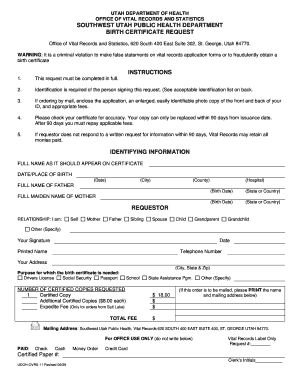
- Consult the DMV: The California DMV is the primary body that issues the Employment Pull Notice (EPN) forms. Businesses must contact the DMV directly to request the form, known technically as the INF 1101 form.
- Provide Necessary Details: When initiating a request, businesses must supply fundamental company information, including the entity’s name, address, and the nature of the business.
- Document Submission: Submit the request according to the methods prescribed by the DMV, which may involve mailing or electronic submission.
Receiving the Authorization
After submission, the California DMV will process the application and provide the necessary documentation to enable the employer to receive the pull notices.
Steps to Complete the California Employer Pull Notice Authorization
Proper completion of the form is essential for its validity and legal standing.
- Fill Out the Business Information: Accurately input company details such as legal name, employer identification number, and contact information.
- Designate an EPN Coordinator: Assign an individual within the organization responsible for managing the EPN process. This person will serve as the point of contact.
- Employee Information: List the names and driver’s license numbers of employees whose records are to be pulled.
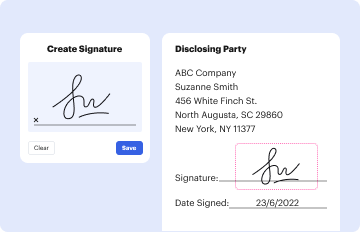
- Certification and Signature: Ensure that a duly authorized representative signs the form, certifying its accuracy and the employer's adherence to legal responsibilities.
Common Mistakes to Avoid
- Incomplete Information: Make sure all required fields are filled out completely.
- Incorrect Employee Data: Verify all driver’s license numbers and employee details before submission.
- Missing Signatures: Ensure the form is signed where required to avoid processing delays.
Who Typically Uses the California Employer Pull Notice Authorization
The use of this authorization extends across various industries, primarily those where employee driving is a critical function.

Primary Users
- Transportation Companies: Includes logistics firms, trucking companies, and delivery services.
- Rideshare and Taxi Services: Companies like Uber and Lyft rely heavily on this to ensure their drivers are fit for service.
- Public Entities: School districts, government agencies with fleet management needs.
Purpose-Driven Utilization
The authorization helps these businesses and entities maintain high safety standards, protect their reputation, and manage liability.
Legal Use of the California Employer Pull Notice Authorization
Understanding the legal implications of using the pull notice authorization is vital.
Compliance Requirements
- Confidentiality Obligations: Employers must handle driver record information with stringent confidentiality to comply with privacy laws.
- Regular Monitoring: There is an expectation for ongoing monitoring, not just a one-time check, especially for high-risk positions.
Legal Protections
Using the California Employer Pull Notice Authorization shields the employer from potential negligence claims by demonstrating due diligence in employee monitoring.
Key Elements of the California Employer Pull Notice Authorization
This form is built around several key components that ensure its effectiveness and adherence to state guidelines.
Core Information Sections
- Employer Details: Essential for establishing who is making the data request.
- Employee Driver Information: Required to pull the correct records.
- Certification Clause: Affirms that the employer is seeking information for legitimate, lawful purposes.
State-Specific Rules for the California Employer Pull Notice Authorization
Certain nuances are unique to California’s framework for this authorization.
Specific Regulations
- Timelines for Compliance: Employers must respond promptly to any notices of employee driving infractions.
- Mandatory Enrollment for High-Risk Jobs: Some positions require mandatory enrollment in the EPN program, enhancing safety and compliance.
Enforcement
The California DMV actively enforces these requirements, with penalties applicable for non-compliance, underscoring the importance of adherence.
Examples of Using the California Employer Pull Notice Authorization
To illustrate, consider a rideshare company that must regularly verify the driving records of its drivers. By enrolling in the EPN program, they receive regular updates on each driver’s status, thus proactively managing any potential issues before they impact the company's operations. Similarly, a logistics firm uses pull notices to schedule driver training or disciplinary actions based on their employees’ driving performance records.
By understanding the breadth and depth of the California Employer Pull Notice Authorization, employers can significantly enhance their operational safety, compliance, and efficiency.