




Definition and Purpose of the Fitness Plan Template
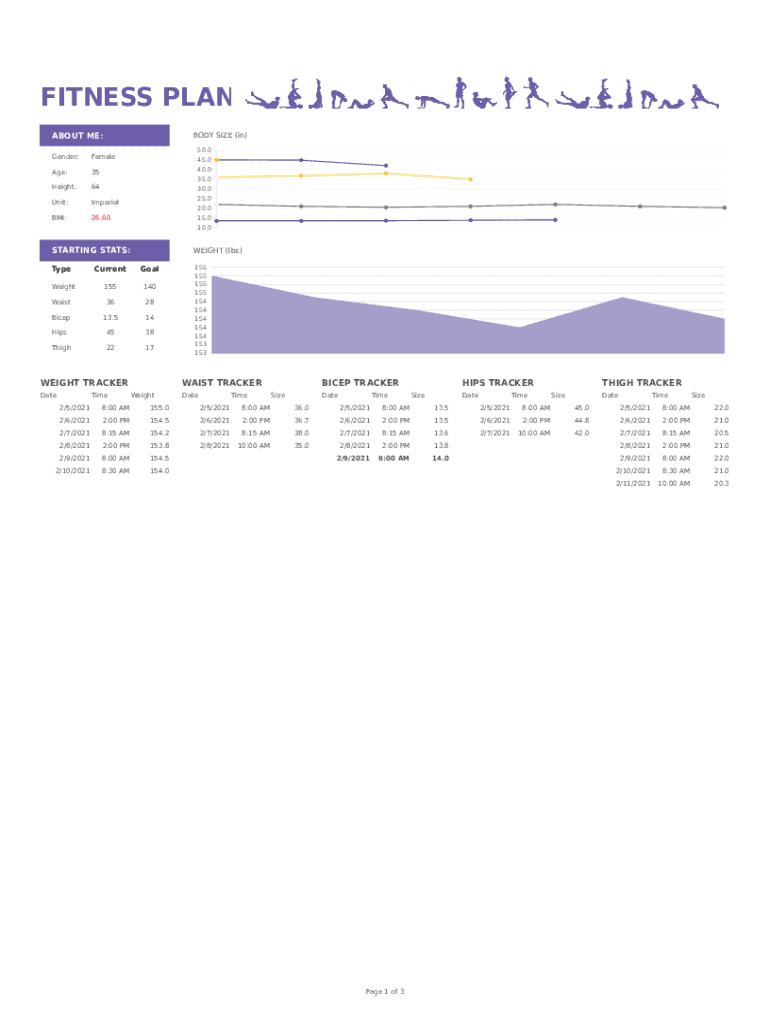
A Fitness Plan Template is a structured guide designed to help individuals outline their fitness goals, track progress, and establish a routine that aligns with their personal objectives. This template is beneficial for organizing various aspects of a fitness journey, such as exercise routines, dietary plans, and personal health statistics. It acts as a blueprint to streamline the process of improving physical health, ensuring that users can systematically approach their fitness goals. By providing clear sections for data input and progress tracking, the template helps maintain motivation and clarity on the path to achieving fitness targets.
Key Elements of the Fitness Plan Template
A well-designed Fitness Plan Template includes several crucial components to enhance its usability and effectiveness:
-
Personal Information: Space to input personal statistics such as age, height, weight, and body measurements. This data serves as a baseline for tracking progress.
-
Goals Section: Dedicated fields to specify short-term and long-term fitness objectives. Whether the aim is weight loss, muscle gain, or endurance building, clearly defined goals help customize the fitness plan.
-
Exercise Schedule: A detailed timetable for workouts, including types of exercises, duration, frequency, and rest days. This schedule ensures consistency and structure in training regimens.
-
Nutrition Plan: A section to outline dietary preferences or restrictions, meal timing, and daily caloric targets. This aids in aligning nutrition with fitness goals.
-
Progress Tracker: Areas to regularly update changes in body measurements, weight, and fitness levels. Tracking progress helps in assessing the effectiveness of the plan and making necessary adjustments.
-
Notes and Adjustments: An area to jot down observations, challenges faced, or modifications to the plan. Reflecting on these can provide insights for future improvements.
How to Use the Fitness Plan Template
Using a Fitness Plan Template involves several systematic steps to maximize its utility:
-
Input Initial Data: Begin by entering all baseline personal information and initial body measurements. This sets the context for progress tracking.
-
Define Goals: Clearly state your specific fitness goals. Make them measurable and achievable to keep the plan focused and realistic.
-
Design Exercise and Nutrition Plans: Use the template to plan your weekly exercise schedule and nutritional intake. Ensure both plans are aligned to support achieving your goals.
-
Track Progress Regularly: Consistently update the tracker with new measurements and stats. This creates a visual representation of progress over time.
-
Review and Adjust: Periodically review the collected data and feedback notes to assess effectiveness. Adjust the exercise or nutrition plans as needed to address areas requiring improvement.
Steps to Complete the Fitness Plan Template
-
Gather Required Information: Collect initial measurement data, current fitness levels, and personal goals.
-
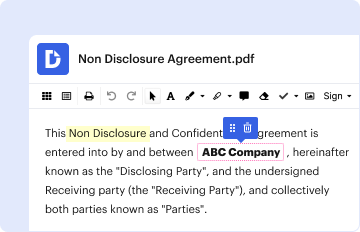
Set Up the Template: Open the Fitness Plan Template on your preferred device or print a physical copy for manual input.
-
Enter Personal Data: Fill in sections for personal statistics and define specific fitness objectives.
-
Create a Detailed Schedule: Populate the exercise schedule with specific workouts, timings, and rest periods. Similarly, outline the nutrition plan in detail.
-
Populate Progress Tracking: Regularly input updated measurements and other relevant fitness data to monitor progress.
-
Use Feedback Section: Make notes on what is working and any difficulties encountered. Highlight adjustments to inform future changes.
Who Typically Uses the Fitness Plan Template
The Fitness Plan Template is utilized by a diverse range of individuals and professionals:
-
Fitness Enthusiasts: Individuals committed to maintaining or improving their physical health through structured plans.
-
Personal Trainers: Professionals who create tailored fitness plans for their clients to ensure effective training and progress tracking.
-
Nutritionists and Dietitians: Experts who use the template to align their dietary guidance with the physical goals of their clients.
-
Health Institutions: Organizations that promote fitness and wellness may provide templates to clients or patients to encourage structured fitness routines.

Importance of Utilizing a Fitness Plan Template
Implementing a Fitness Plan Template provides numerous benefits, including:
-
Structured Organization: Allows a clear and organized framework for both workouts and diet plans.
-
Goal Alignment: Ensures that fitness activities and nutritional intake are directly aligned with personal objectives.
-
Enhanced Motivation: Tracking progress fosters a sense of accomplishment and encourages ongoing commitment.
-
Flexibility and Customization: Templates can be modified to adapt to changing personal goals or lifestyle adjustments.
-
Professional Guidance: Serves as a foundational tool for professionals crafting plans for clients, providing a consistent and comprehensive approach.
Examples of Fitness Plan Template Usage
Several scenarios illustrate the effective use of the Fitness Plan Template:
-
Weight Loss Journey: Individuals seeking to lose weight can outline a personalized combination of cardiovascular exercises and a calorically appropriate diet.
-
Muscle Building Program: For those aiming to gain muscle mass, the template helps in setting up a resistance training routine, alongside a high-protein nutrition plan.
-
Event Preparation: Those training for events such as marathons or triathlons can deploy the template to schedule endurance and skill-improvement exercises systematically.
-
Rehabilitation Programs: Individuals undergoing physical rehabilitation can track specific exercises designed to improve mobility and strength after an injury.
Versions or Alternatives to the Fitness Plan Template
The Fitness Plan Template may come in various formats and designs to suit different preferences:
-
Digital Versions: Editable PDFs or fillable online formats allow for easy updates and amendments.
-
Mobile Apps: Dedicated fitness apps include built-in templates that offer real-time progress tracking and reminders.
-
Printable Templates: Hard copies for manual input, suitable for those who prefer a tangible document to capture their data.
-
Customized Versions: Adaptations that cater to specific fitness goals or constraints, such as templates focused solely on diet planning or strength training.


