






Definition & Meaning
The Residential HVAC Equipment Certification Form is a document used to certify that the mechanical equipment in a residential setting is correctly sized and that the whole-house mechanical ventilation system is in compliance with the relevant standards. This form is typically required before the final inspection, serving as verification that the installed HVAC components meet specific regulatory requirements designed to ensure energy efficiency and indoor air quality. It is a critical step in building and construction processes, particularly for new constructions or significant renovations.
Steps to Complete the Residential HVAC Equipment Certification Form
- Gather Necessary Information: Collect all relevant details about the HVAC systems' specifications, including model numbers and installation data.
- Detail System Sizing: Provide calculations and verified data to attest to the proper sizing of the equipment. This ensures that the system operates effectively and efficiently without overburdening energy consumption.
- Describe Ventilation Details: Outline the specifics of the ventilation system, including types and locations of vents, to confirm it meets the required standards.
- Complete Required Sections: Fill out each section of the form with detailed and accurate information, ensuring compliance with local building codes and regulations.
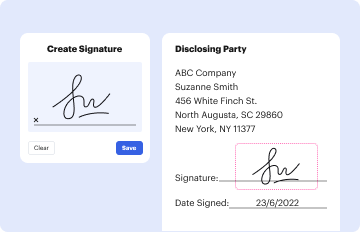
- Sign and Date: Ensure that the form is signed and dated by the responsible party, typically a certified HVAC contractor or engineer.
- Review for Accuracy: Double-check all entries for accuracy and completeness before submission to avoid delays.
Why Use the Residential HVAC Equipment Certification Form
- Compliance Assurance: Ensures adherence to state and local building codes, helping prevent legal or regulatory issues.
- Energy Efficiency Certification: Validates that the HVAC system is designed to maximize energy efficiency while maintaining optimal climate control.
- Inspection Readiness: Prepares your property for a final inspection, often a prerequisite for obtaining occupancy permits or securing financing.
- Improved Indoor Air Quality: Confirms that ventilation systems are installed to facilitate healthy indoor environments, which is critical in residential settings.
- Environmental Responsibility: Supports sustainable building practices by minimizing resource waste related to improperly sized or installed equipment.
Key Elements of the Residential HVAC Equipment Certification Form
- Project Details: Includes address, owner information, and project description.
- Equipment Specifications: Lists technical information about the HVAC equipment, including types, capacities, and efficiency ratings.
- Professional Certification: Section for a licensed HVAC professional to certify the information's accuracy.
- Compliance Statement: Declaration of conformity to applicable guidelines and codes.
- Inspector Approval Section: Space for building inspectors to sign off, confirming that the reported equipment meets standards and is approved for operation.
Who Typically Uses the Residential HVAC Equipment Certification Form
- HVAC Contractors: Primarily responsible for filling out and submitting the form as part of their service provision.
- Homeowners: May be involved in ensuring their contractor completes this form to secure compliance certification.
- Building Inspectors: Use the form as part of their inspection process to validate that installations meet regulatory requirements.
- Real Estate Developers: Employ this documentation as part of their project management and compliance strategies.


Important Terms Related to Residential HVAC Equipment Certification Form
- Mechanical Ventilation: Refers to the controlled introduction and distribution of outdoor air into a building.
- Sizing: The process of calculating the correct capacity of HVAC equipment to ensure it meets the needs of the building.
- Air Quality Standards: Regulations set to maintain healthy indoor air conditions by controlling parameters like humidity, airflow, and contaminant levels.
- Energy Efficiency Ratings: Metrics to evaluate an HVAC system's efficiency, often expressed as a SEER (Seasonal Energy Efficiency Ratio) or AFUE (Annual Fuel Utilization Efficiency).
State-specific Rules for the Residential HVAC Equipment Certification Form
- Building Code Variations: Each state may have different building codes that dictate the form's specific requirements for HVAC installations.
- Inspection Requirements: Some states require additional forms or documentation to accompany the HVAC Equipment Certification form, such as proof of permits or installation plans.
- License and Certification Requirements: States have varying requirements for who is authorized to complete and sign off on these forms, commonly demanding licensed professionals.
- Regional Climate Considerations: Adjustments to the form may be necessary based on local climate factors affecting HVAC sizing and performance requirements.
Digital vs. Paper Version
- Digital Completion: Allows for ease of submission and storage, as many governing bodies accept electronic paperwork.
- Paper Versions: Some jurisdictions may still require hard copy submissions for record-keeping, necessitating physical form completion.
- Digital Advantages: Offers streamlined editing, real-time collaboration, and secure digital signature capabilities.
- Security and Compliance: Ensures that digital forms adhere to data protection standards with encrypted signatures and secure storage options.
Required Documents
- System Specifications Sheet: Outlines the technical details of the HVAC equipment, necessary for accurate form completion.
- Warranty Information: Verifies that the systems are under warranty, preventing future liability issues.
- Installer Credentials: Proof of qualifications for the professional completing the form.
- Building Permit Copies: Supplies evidence of legal permission to perform the installation work.
- Inspection Reports: Documentation from initial inspections provides a basis for certifying the equipment's compliance.


