





Definition & Meaning
A procuration is a legal document that grants one person, known as the proxy or agent, the authority to act on behalf of another person, known as the principal. This mandate enables the agent to take specific actions or make decisions as outlined in the procuration. Often used in various legal, business, and personal contexts, this form facilitates delegation while maintaining legal compliance.
Key Elements of a Procuration
- Parties Involved: Clearly identifies the principal, who is granting authority, and the agent, who will act on behalf of the principal.
- Scope of Authority: Specifies the actions or decisions the agent is authorized to undertake.
- Duration: Indicates how long the procuration is valid, whether indefinitely or until a specific event or date.
- Conditions and Limitations: Any specific conditions that limit or guide the agent’s actions must be detailed.
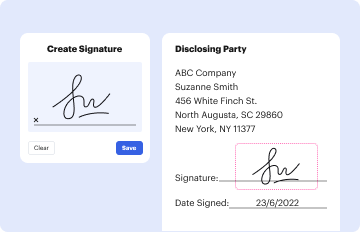
- Signatures: Requires signatures from both parties to validate the authority granted.
Legal Use of the Procuration
Procuration can be applied in a wide range of scenarios where legal authority needs to be delegated. It can be used to manage financial affairs, oversee business transactions, or handle legal processes on behalf of the principal. In the United States, procuration is commonly utilized in the context of estate planning or business management.
Important Terms Related to Procuration
- Mandate: The assignment of authority by the principal to the agent.
- Agent/Proxy: The party acting on behalf of the principal.
- Principal: The person who grants authority to the agent.
- Power of Attorney: A term often used interchangeably with procuration, particularly when referring to durable or general powers.
How to Use the Procuration
To effectively use a procuration, ensure it is drafted accurately and conforms to state-specific requirements. Collaborate with a legal advisor to make sure the document reflects the principal’s intentions accurately and provides clear instructions for the agent.
Steps to Complete the Procuration
- Draft the Document: Use a standard template or engage a lawyer to draft the procuration.
- Detail the Authority: Clearly define the scope and limits of authority granted to the agent.
- Identify the Parties: Confirm the identities and roles of both the principal and agent.
- Set the Duration: Specify the duration of validity for the procuration.
- Obtain Signatures: Both parties must sign the document, often in the presence of a notary public.
State-Specific Rules for Procuration
Different states may have unique laws governing the creation and use of procurations. It's crucial to understand these nuances to ensure legal compliance in each relevant jurisdiction.
Examples of Using the Procuration
- Financial Management: Individuals may use a procuration to appoint someone to manage their finances if they become incapacitated.
- Real Estate Transactions: Procuration allows agents to conduct property dealings on behalf of the principal.
- Business Operations: In corporate settings, procuration is used to delegate managerial tasks.
Why Should You Use a Procuration
Utilizing a procuration is essential for ensuring continuity of decision-making when the principal cannot act personally. It provides legal security and maintains control over specified matters through a trusted representative.
Who Typically Uses the Procuration
Both individuals and businesses frequently utilize procuration. It is common among those planning for future incapacity, business leaders delegating authority, or individuals needing representation in legal matters.


Steps to Complete the Procuration
- Identify the Need: Determine why and when the procuration is necessary.
- Select the Right Agent: Choose a trustworthy individual capable of handling the delegated tasks.
- Draft Comprehensive Terms: Clearly outline responsibilities, limitations, and expectations.
- Legal Review: Consult with a legal expert to validate the document’s compliance.
- Formalize the Agreement: Have the final document signed by all parties concerned.
Who Issues the Form
Procuration forms do not have a single issuing body. They can be created by legal professionals, standardized from legal services, or customized according to specific needs.
Form Submission Methods
Procurations can be executed through various methods, including online platforms, mail, or in-person submissions depending on the requirements of involved parties and legal stipulations.
Digital vs. Paper Version
While traditional procurations are drafted on paper, digital versions offer convenience and can often be signed electronically if allowed by state laws. Electronic signatures must comply with appropriate legal standards to ensure their validity.