



Definition & Meaning
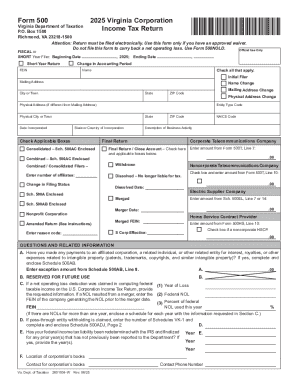
The Colorado Subpoena Form is a legal document issued by a court, commanding a person to appear at a specified time and place to give testimony as a witness, or to produce documents or other tangible evidence in a legal proceeding. This form plays a crucial role in ensuring the presence of necessary witnesses and the availability of vital documents during court cases. Serving a subpoena is a formal process and requires adherence to specific legal protocols to be deemed valid and enforceable.
Key Functions
- Witness appearance: Compels individuals to testify in court or at a deposition.
- Document production: Requires the delivery of documents, records, or evidence.
- Legal authority: Issued under court authority to ensure compliance.
How to Use the Colorado Subpoena Form
Using the Colorado Subpoena Form involves several steps to ensure it is correctly served and legally binding. The process is essential for obtaining evidence and testimony in legal proceedings.
Step-by-Step Process
- Identify the need: Determine whether you need a witness or specific documents.
- Prepare the form: Fill out the Colorado Subpoena Form with all necessary details, including names, addresses, and specific requirements.
- File with the court: Submit the completed form to the relevant court for issuance.
- Serve the subpoena: Deliver the subpoena to the individual or entity through a process server or legally accepted method.
- Confirm receipt: Ensure that the recipient acknowledges receiving the subpoena.
Practical Scenario
For example, if an attorney needs bank records for a fraud case, they would complete and file the Colorado Subpoena Form, then serve it to the bank to obtain the necessary documents.
How to Obtain the Colorado Subpoena Form
The form can be obtained from various official sources, ensuring it meets legal standards.
Sources
- Court websites: Download the form from the official state judiciary site.
- Courthouses: Obtain physical copies from local courthouse offices.
- Legal services: Some legal aid organizations provide access to necessary forms.
Additional Considerations
Ensure the form version is up-to-date and meets current legal requirements to avoid issues with validity.
Steps to Complete the Colorado Subpoena Form
Completing the form requires attention to detail and accuracy to ensure it is legally enforceable.
Required Information
- Court details: Include the court's name, address, and jurisdiction.
- Recipient details: Clearly state the name and address of the person or entity being subpoenaed.
- Purpose of subpoena: Indicate whether it is for testimony or document production.
- Timeline: Provide specific dates and times for compliance.
Example
For a form requesting a witness's testimony, you must include the trial date and location where the witness is expected to appear.
Who Typically Uses the Colorado Subpoena Form
The form is most often used by legal professionals involved in litigation.

Primary Users
- Attorneys: To gather evidence and secure witnesses.
- Prosecutors: For criminal proceedings requiring evidence and testimonies.
- Defendants and plaintiffs: As part of their defense or claims in civil cases.
Case Study
In a personal injury lawsuit, the plaintiff’s attorney may issue a subpoena to obtain medical records or call healthcare professionals as witnesses.
Key Elements of the Colorado Subpoena Form
Understanding the form's components is crucial for accuracy and compliance.
Essential Components
- Title and Header: Clearly labeled with "Subpoena" and relevant court details.
- Instructions: Detailed guidelines for how to comply with the subpoena.
- Signature Line: Authorized by a judge or court official.
Important Note
Missteps in these key elements, such as incorrect court identification or lack of authorization, may result in the subpoena being challenged or dismissed.
Legal Use of the Colorado Subpoena Form
Using subpoenas according to legal standards is imperative to maintain their validity and effectiveness.
Compliance Standards
- Jurisdictional Limits: Ensure the subpoena is issued within the court's jurisdiction.
- Notice Requirements: Provide reasonable and sufficient notice to comply.
- Confidentiality: Adhere to privacy laws when subpoenaing sensitive documents.
Legal Challenges
Failure to comply with these standards can lead to a subpoena being quashed or legal penalties.
State-Specific Rules for the Colorado Subpoena Form
Colorado has specific laws and regulations governing the use of subpoenas.
Notable Regulations
- Timeliness: Regulations specify timelines for serving the subpoena prior to the required appearance or document production.
- Quash Motions: Provides rights for recipients to challenge the subpoena if it is overly burdensome or irrelevant.
- Service Requirements: Outlines acceptable methods for serving subpoenas within the state.
Example
A business receiving an overly broad subpoena for all customer data can file a motion to quash based on relevance and privacy concerns.