Definition and Meaning of USCIS I-130 Petition for Alien Relative
The USCIS I-130 Petition for Alien Relative is a vital legal form used to establish the relationship between a U.S. citizen or lawful permanent resident and their foreign relative who seeks to immigrate to the United States. This petition is a foundational step in the process of obtaining a family-based visa, enabling the beneficiary (the foreign relative) to apply for a visa or adjust their status to a permanent resident within the U.S.
Key Functions of the I-130 Petition
- Confirming the legitimacy of the familial relationship between the petitioner (U.S. citizen or permanent resident) and the beneficiary.
- Establishing priority for visa processing based on the category of relationship, which determines the wait time for visa issuance.
Categories of Relatives
- Immediate relatives (spouses, parents, unmarried children under 21) of U.S. citizens have a direct path with no numerical limitation.
- Preference relatives include married children, siblings of U.S. citizens, and the dependents of permanent residents, who are subject to quotas and longer wait times.
Steps to Use the USCIS I-130 Petition for Alien Relative
-
Gather Required Documentation: Collect essential documents such as birth certificates, marriage licenses, and proof of citizenship or permanent resident status.
-
Complete the Form: Fill out accurate details in each section of the I-130 form. This includes personal information of both the petitioner and the beneficiary.
-
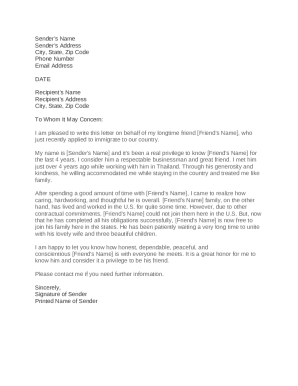
Submit Supporting Evidence: Attach documents that prove the authenticity of the relationship, such as photos, correspondence, and affidavits from third parties.
-
Pay the Filing Fee: Ensure that the required fee is paid, as indicated on the USCIS website. Payment can typically be made via check or credit card when filing online.
-
Submit the Petition: File the completed petition either online through the USCIS website or by mail to the designated USCIS Lockbox facility.
-
Await Processing and Review: Monitor correspondence from USCIS, which will include a receipt notice and instructions for further steps.
Important Terms Related to USCIS I-130 Petition for Alien Relative
- Petitioner: The U.S. citizen or lawful permanent resident filing the petition.
- Beneficiary: The foreign national for whom immigration benefits are sought.
- Priority Date: The date the petition is filed, which determines the order for visa processing under preference categories.
- Immediate Relative: Specific family members such as spouses and children, with no visa limits.
Explanation of Priority Date and Its Importance
- How it Works: The priority date essentially queues the petition in the visa processing line for preference relatives and affects the wait time.
- Exceptions and Considerations: Immediate relatives bypass this system due to visa availability not being subject to annual limits.
Eligibility Criteria for Filing the I-130 Petition
- Eligible Petitioners: Only U.S. citizens and lawful permanent residents can file the I-130.
- Relationship Requirements: Evidence of a bona fide relationship must be provided, such as birth certificates for children or marriage licenses for spouses.

Common Eligibility Cases and Criteria
- Spouse Petitions: Additional evidence like shared financial accounts and affidavits may be required to establish a genuine marriage.
Application Process & Approval Time
Once the petition is submitted, the process involves several stages:
- USCIS Processing: Initial review and evidence verification.
- Interview Requirement: Occasionally, an interview may be requested for further clarification.
- Approval/Denial Notification: Notification is sent to the petitioner about the decision.
Expected Timeframes
- Immediate Relatives: Typically shorter processing times due to immediate availability of visas.
- Preference Categories: Times can vary significantly depending on the familial relationship and country of origin.
Required Documents for the I-130 Petition
- Proof of Citizenship or Residency: Includes certificates, passports, and green cards.
- Relationship Documentation: Birth certificates, marriage licenses, and legal name change papers.
- Additional Evidence: Photos, shared financial records, and affidavits may further support the petition.
Detailed Checklist for Common Scenarios
- For Spouses: Joint leases, photos from significant events, and affidavits from family and friends.
- For Parents/Children: Birth certificates and any adoption documents if applicable.
Legal Use and Considerations for the USCIS I-130 Petition
- Understanding the Intent: The legal basis of the I-130 is to facilitate family unification while ensuring immigration processes uphold U.S. immigration laws.
- Avoiding Misuse and Fraud: Misrepresentation or fraudulent evidence can lead to petition denial, legal consequences, and potential lifetime bans on immigration.
Key Takeaways and Quick Facts
- Petitioner Responsibility: The petitioner should ensure all information and documentation are accurate and complete.
- Visa Limitations: While immediate relatives benefit from no annual quota restrictions, preference categories must contend with numerical limits.
- Form Submission: Online filing is available and often recommended for expediency and tracking.
Common Misunderstandings Clarified
- Priority Date Misconceptions: Understanding how it affects processing time is a common area of confusion.
- Evidence Requirements: Misjudging the importance of comprehensive relationship evidence can hinder the petition progress.