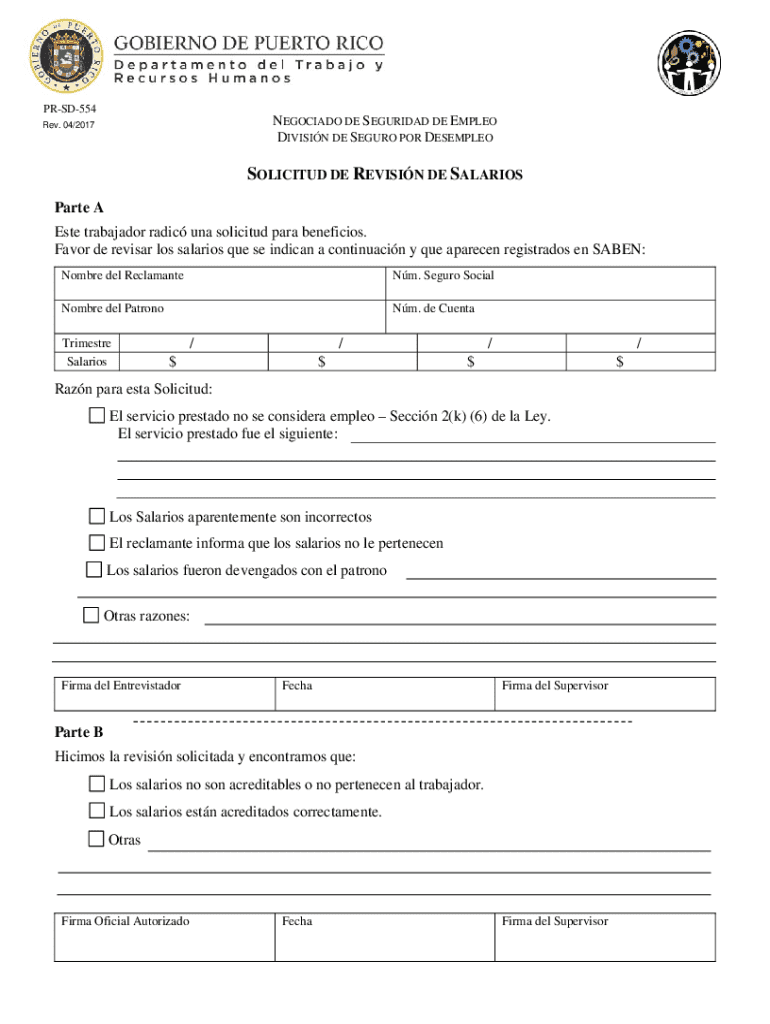







Definition & Meaning
The Employment Security Negotiation Form is a pivotal document used in the United States to negotiate employment terms related to job security. This form becomes vital when employees or employers seek to establish a formal agreement regarding job retention conditions, benefits, and potential layoffs. It ensures both parties have a clear, documented understanding of employment security measures, reducing the chance of future disputes.
How to Use the Employment Security Negotiation Form
To effectively use the Employment Security Negotiation Form, stakeholders should follow a systematic approach:
- Preparation: Gather all necessary information related to employment terms, job roles, and security clauses.
- Form Completion: Accurately fill out all sections of the form, ensuring clarity in employment conditions and security provisions.
- Review: Both parties should review the completed form to ensure mutual understanding and agreement on all terms.
- Finalization: Once both parties agree, the form should be signed electronically or physically to formalize the negotiation outcomes.
- Storage: Maintain a copy securely for future reference.
Steps to Complete the Employment Security Negotiation Form
Filling out the Employment Security Negotiation Form involves multiple steps:
- Employer Details: Enter details like the company name, address, and contact information.
- Employee Details: Include the employee's name, job title, and identification number.
- Security Provisions: Outline terms regarding job security, including conditions for termination or layoff.
- Compensation and Benefits: Specify salary, bonuses, and benefits related to continued employment.
- Agreement Section: Both parties must review and agree on the terms, adding signatures to validate the form.
Key Elements of the Employment Security Negotiation Form
Several critical elements make up the form:
- Identifying Information: Employer and employee detail sections.
- Security Terms: Specific conditions for employment protection.
- Compensation Clauses: Details on salary adjustments, benefits, and bonuses.
- Legal Obligations: Terms of compliance with labor laws and regulations.
- Signature Section: Space for parties to authenticate the agreement.
Legal Use of the Employment Security Negotiation Form
The form serves a legal function by codifying agreed-upon employment terms. It aligns with U.S. labor laws to protect both employee rights and employer interests. The form should be utilized whenever there's a negotiation concerning job security, ensuring compliance with legal standards.
Examples of Using the Employment Security Negotiation Form
Consider these scenarios:
- Negotiating Employment Terms: An employee uses the form to negotiate enhanced job security after company restructuring.
- Layoff Mitigation: An employer proposes terms to prevent layoffs in exchange for certain conditions, documented via the form.
State-Specific Rules for the Employment Security Negotiation Form
Different states may have unique employment laws impacting the form’s enforceability:
- California: Requires additional clauses for layoffs.
- New York: Includes specific compliance with state labor laws.
- Texas: May demand explicit language concerning employment-at-will doctrines.
Form Submission Methods (Online / Mail / In-Person)
Employees and employers have multiple submission options:
- Online: Fill and submit the form digitally through secure platforms like DocHub.
- Mail: Print and send the finalized form via postal services.
- In-Person: Delivering the form directly at an office for more formal acknowledgment.
Who Typically Uses the Employment Security Negotiation Form
This form is primarily employed by:
- Human Resource Managers: Managing and documenting employee negotiations.
- Legal Advisors: Reviewing terms and ensuring compliance with labor laws.
- Employees: Seeking to formalize security-related employment terms with their employer.


Who Issues the Form
Typically, the employer issues the form during negotiation processes concerning employee security. This ensures standardized terms and adherence to company policies.
Required Documents
To complete the process, the following documents might be necessary:
- Previous Employment Contracts: For reference in negotiations.
- Legal Identification: Valid ID for both parties involved.
- Legal Advisory Notes: If legal review was part of the process to ensure compliance and understanding.
Eligibility Criteria
Those who can engage with this form include:
- Formal Employees: Those within an established employer-employee relationship.
- Employers: Particularly HR departments and managers responsible for employee agreements.
- Legal Representatives: Authorized to partake in employment negotiations on behalf of either party.
In summary, the Employment Security Negotiation Form is a legally significant document facilitating the formalization of job security agreements between employees and employers, adaptable to various contexts and states across the U.S.