






Definition and Meaning
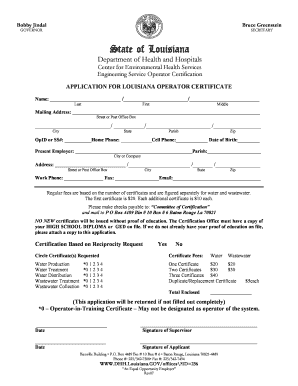
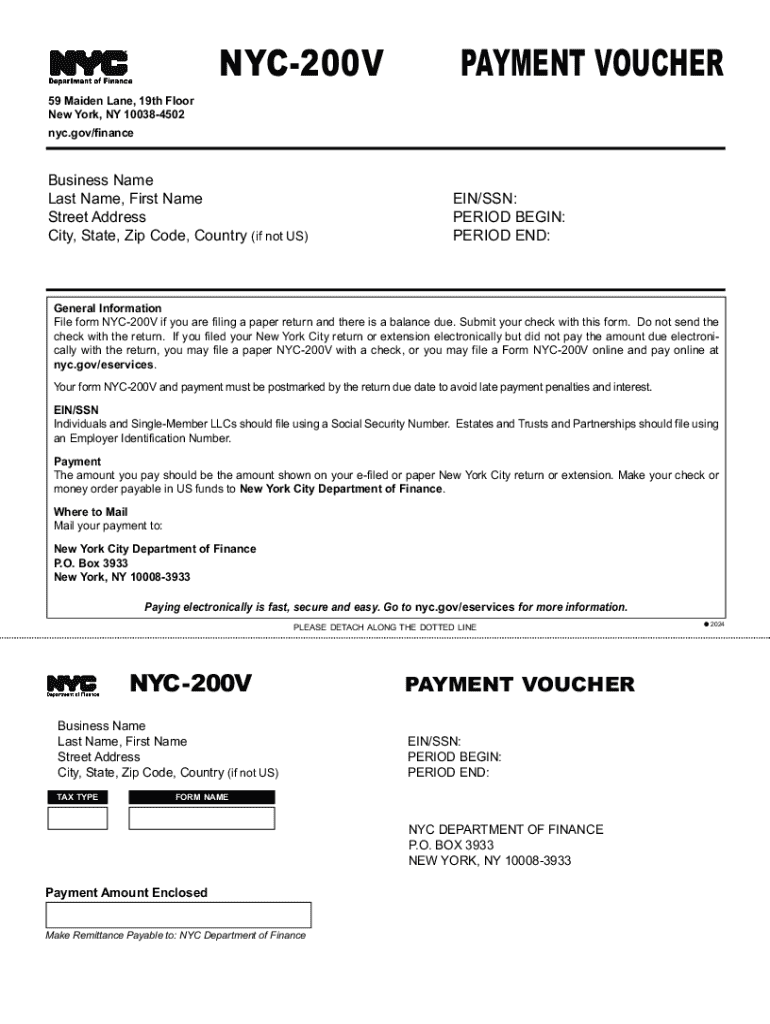
"Layout 1" serves as a foundational template or form used in various documentation processes. It is generally designed to streamline content organization, providing a structured framework that guides users in arranging information systematically. This layout aids in ensuring clarity, consistency, and ease of understanding, making it crucial for both personal and professional applications.
- Utilized in various settings such as business proposals, reports, or informational guides.
- Offers a standardized format, reducing the need for custom design efforts.
- Enables efficient data presentation, enhancing communication effectiveness.
How to Use the Layout 1
Using "Layout 1" involves understanding its components and correctly populating the designated sections. Each section is designed to capture specific types of information, ensuring a comprehensive presentation.
-
Identify the Sections: Familiarize yourself with the sections within Layout 1 to understand what information is required.
- Title section for the main heading.
- Subsections for detailed information.
- Bullet points or numbered lists for concise data.
-
Fill in the Details: Begin with the main section and proceed sequentially. Ensure that all relevant information is captured accurately.
- Use short, descriptive titles for subsections.
- Include detailed narratives and examples where necessary.
-
Review and Edit: After completing the layout, review the content for accuracy, clarity, and completeness.
- Ensure all sections are filled out correctly.
- Check for consistency in formatting and style.
How to Obtain the Layout 1
Acquiring "Layout 1" can be straightforward, often depending on the context or the environment in which it is used.
- Online Download: Many organizations provide templates for standard layouts on their official websites or document management platforms.
- Software Programs: Document editing software like Microsoft Word or Google Docs frequently includes built-in templates resembling Layout 1.
- Request from Provider: If the layout is proprietary or industry-specific, it might be available through a direct request to the issuing organization or entity.
Steps to Complete the Layout 1
Completing a Layout 1 template involves a thorough understanding of the required content and systematic input of information.
-
Gather Required Information: Before starting, collect all necessary data and documents that need to be included.
- Ensure accuracy of information to prevent future revisions.
- Organize data in sequence of sections in Layout 1.
-
Input Data Sequentially: Begin with the initial sections, such as titles and headings, followed by detailed subsections.
- Use consistent language and tone throughout.
- Incorporate bullet points for lists to improve readability.
-
Validate and Finalize: Cross-check the entire form to verify all sections are completed and correctly formatted.
- Double-check details for typographical errors.
- Ensure logical flow and coherence between sections.
Key Elements of the Layout 1
The effectiveness of Layout 1 lies in its structured design and essential components, which significantly enhance data organization and presentation.
- Main Title: Sets the document's focus, providing a clear context.
- Sequential Subsections: Arrange information logically for progressive understanding.
- Data Presentation Tools: Bullet points or lists for concise and relevant details.
- Headers and Footers: These sections might include dates, page numbers, or other relevant metadata.
Legal Use of the Layout 1
Understanding the legal context in which Layout 1 is used ensures compliance and helps prevent legal issues.
- Regulatory Compliance: Often required in industries with formal documentation needs, such as finance or healthcare.
- Privacy Considerations: Ensure any personal data included complies with privacy laws like GDPR or HIPAA.
- Official Use: Certain layouts may be mandated by government bodies or institutional frameworks.
Important Terms Related to Layout 1
Familiarity with terms specific to Layout 1 can enhance comprehension and effective usage.
- Template: Refers to pre-designed forms that standardize content presentation.
- Subsection: Divides content into smaller, more manageable sections, each covering a specific aspect.
- Metadata: Information embedded in the header/footer that provides additional context.
Software Compatibility (TurboTax, QuickBooks, etc.)
Understanding the software compatibility of Layout 1 ensures seamless integration with digital workflows.
- Document Editors: Compatible with standard editors such as Microsoft Word, Google Docs, ensuring easy customization and editing.
- Financial Software: Can be utilized with programs like TurboTax or QuickBooks for financial reporting or tax-related forms, although specific formats might need adjusting.
- Cloud Platforms: Easily stored and shared through cloud services such as Dropbox or OneDrive for collaborative editing.
Digital vs. Paper Version
The mode of using Layout 1, whether digital or paper, impacts its utility and accessibility.
- Digital Version: Allows for easy editing, sharing, and storage, providing convenience and flexibility.
- Paper Version: Still useful in legal and formal settings where physical signatures or hard copies are required.