Purpose and Functionality of the Full Service Check Sheet
The "Full service check sheet - Didcot Auto Centre" serves as an essential document designed to ensure comprehensive vehicle assessments and maintenance. This form typically includes a variety of sections aimed at evaluating different components of a vehicle. Its primary purpose is to provide a structured approach for mechanics and technicians to document the condition of various car parts and systems. Through this systematic checklist, technicians can make sure that all vital areas of a vehicle are inspected, which helps in preventing potential issues and maintaining road safety.
How to Access the Full Service Check Sheet
To obtain the "Full service check sheet - Didcot Auto Centre," customers usually need to visit Didcot Auto Centre or download it from their official website. Access may also be provided directly at the service center during a vehicle's maintenance appointment. This ensures that both the customer and technician have clear and consistent documentation for the service being provided, enhancing transparency and communication.
Process for Completing the Full Service Check Sheet
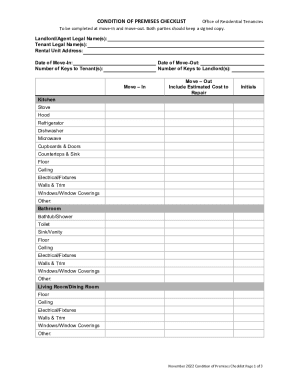
When filling out the "Full service check sheet - Didcot Auto Centre," technicians begin by entering basic information such as the job number, date, customer name, and technician name. Each section of the form corresponds to a particular vehicle component or system, such as the engine, brakes, or tires. Technicians assess and record the condition of each part, noting any maintenance performed or future recommendations. The checklist helps to ensure that no critical areas are overlooked, thereby promoting a thorough and effective service.
Essential Components of the Full Service Check Sheet
The form is divided into several key sections that address specific vehicle systems:
-
Engine and Transmission: Evaluation of oil levels, potential leaks, and transmission fluid.
-
Brakes: Condition of brake pads, discs, and fluid levels.
-
Tires and Wheels: Inspection of tire tread, pressure, and wheel alignment.
-
Electrical Systems: Functionality of lights, battery, and ignition components.
-
Fluid Levels: Checking coolant, windshield washer, and brake fluids.
Each section ensures a comprehensive review, allowing technicians to diagnose any issues early and efficiently.
Significance of Using the Full Service Check Sheet
Utilizing the "Full service check sheet - Didcot Auto Centre" provides numerous benefits, including preventing future mechanical failures, ensuring safety, and maintaining vehicle efficiency. It contributes to customer satisfaction by offering an itemized report of the service performed, helping car owners understand the care their vehicles receive. Regular use of this checklist can also extend the lifespan of a vehicle by ensuring consistent and proper maintenance.
Typical Users of the Full Service Check Sheet
This checklist is predominantly used by automotive technicians and mechanics, but it also serves as a valuable tool for service managers and trainees within the auto center. Vehicle owners also benefit indirectly, as they receive detailed reports on their vehicle's condition and maintenance requirements based on the completed checklist. This transparency builds trust and helps in retaining loyal customers.
Key Terminologies Related to Full Service Check Sheets
Understanding the terms used in the "Full service check sheet" is vital for proper usage:
- Inspection: Thorough examination of vehicle components.
- Maintenance: Routine service tasks like oil changes or filter replacements.
- Diagnosis: Identifying issues based on symptoms or inspection findings.
- Recommendation: Suggested further repairs or preventive measures.
These terms form the basis of discussions between technicians and customers, ensuring that everyone involved comprehends the service requirements and tasks performed.
Regulatory Compliance and Legal Aspects
Although not a legally binding document, the "Full service check sheet" is still important for regulatory compliance. It serves as proof of service, potentially required by insurance companies or during warranty claims. Additionally, it supports adherence to vehicle maintenance standards and legal safety requirements, such as those imposed by automotive safety regulations in the U.S.
Real-World Applications and Examples
In a practical setting, a customer visiting Didcot Auto Centre for a routine check-up would have their vehicle evaluated using this checklist. The technician records findings, performs necessary maintenance, and advises on future services needed. This process ensures the vehicle is roadworthy and minimizes the risk of breakdowns. For instance, during a winter check, ensuring the coolant and tire condition is optimal for colder temperatures could prevent potential cold weather-related issues.
Alternatives and Variations of the Full Service Check Sheet
Different auto centers may have their versions of a service check sheet tailored to their specific services and customer needs. While the core components remain consistent, variations may cater to specific vehicle types or regional maintenance standards. Digital versions, integrated into automotive software systems, offer enhanced features like automated reminders and historical tracking for more effective vehicle management.
Business Impact of Using the Full Service Check Sheet
Implementing the "Full service check sheet" benefits businesses by streamlining service operations, improving efficiency, and enhancing customer trust. Providing a thorough, documented inspection process reduces the likelihood of skipping vital assessments, thereby minimizing the risk of customer complaints or unscheduled returns. By keeping a comprehensive record of each service, Didcot Auto Centre can establish itself as a reliable and professional service provider, ultimately fostering business growth through repeat customers and referrals.