




01. Edit your form online
Type text, add images, blackout confidential details, add comments, highlights and more.

Type text, add images, blackout confidential details, add comments, highlights and more.

Draw your signature, type it, upload its image, or use your mobile device as a signature pad.

Send it via email, link, or fax. You can also download it, export it or print it out.
The Visa Liability Waiver is a legal document that releases one party from liabilities or claims in particular situations, typically related to using or issuing visas. It is commonly utilized in scenarios where individuals or organizations want to limit their liability concerning visa-related activities or decisions. This waiver is essential for organizations seeking protection from potential legal claims linked to visa issuance or usage.
Visa Liability Waivers are often employed in diverse contexts, including educational institutions dealing with international students, businesses hiring foreign workers, or travel agencies facilitating visa applications.
To effectively use a Visa Liability Waiver, one must first understand the context and conditions it covers. Typically, the waiver outlines the scenarios under which liabilities are waived and specifies both parties' roles and responsibilities involved.
By following these steps, organizations can streamline the waiver process, ensuring clarity and reducing the potential for legal complications.
Completing a Visa Liability Waiver involves several crucial steps to ensure legality and enforceability. These steps typically depend on the specifics of the scenario and the involved parties.
A thorough and compliant completion process ensures the waiver's effectiveness in mitigating potential liabilities.
The Visa Liability Waiver serves multiple purposes, primarily offering protection against unforeseen legal claims and liabilities. Its usage is crucial in ensuring that organizations or individuals are not held accountable for specific visa-related issues that fall outside their control.
Using a Visa Liability Waiver strengthens organizational safeguards, allowing for more focus on strategic objectives rather than legal vulnerabilities.
Understanding the key terms frequently used in connection with the Visa Liability Waiver is essential for grasping the document's full implications.
Familiarity with these terms ensures better comprehension and utilization of the waiver, minimizing misunderstandings or misinterpretations.
A Visa Liability Waiver typically includes specific elements that are vital for its enforceability and effectiveness.
Understanding these elements enhances the comprehension of how a waiver operates, ensuring all parties are on the same page concerning their responsibilities.
Visa Liability Waivers are instruments of law that have particular uses and applications within certain legal frameworks. It is important to recognize when and how these documents can be applied effectively to protect interests.
By adhering to these legal considerations, the waiver remains a robust legal tool that supports organizational operations while protecting against liabilities.
The Visa Liability Waiver is commonly utilized by various entities, each integrating the waiver into their processes to fit specific requirements and scenarios.


Understanding who uses these waivers helps illustrate their broad applicability across sectors handling visa-related operations.
At DocHub, your data security is our priority. We follow HIPAA, SOC2, GDPR, and other standards, so you can work on your documents with confidence.
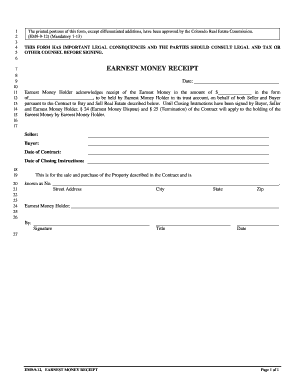


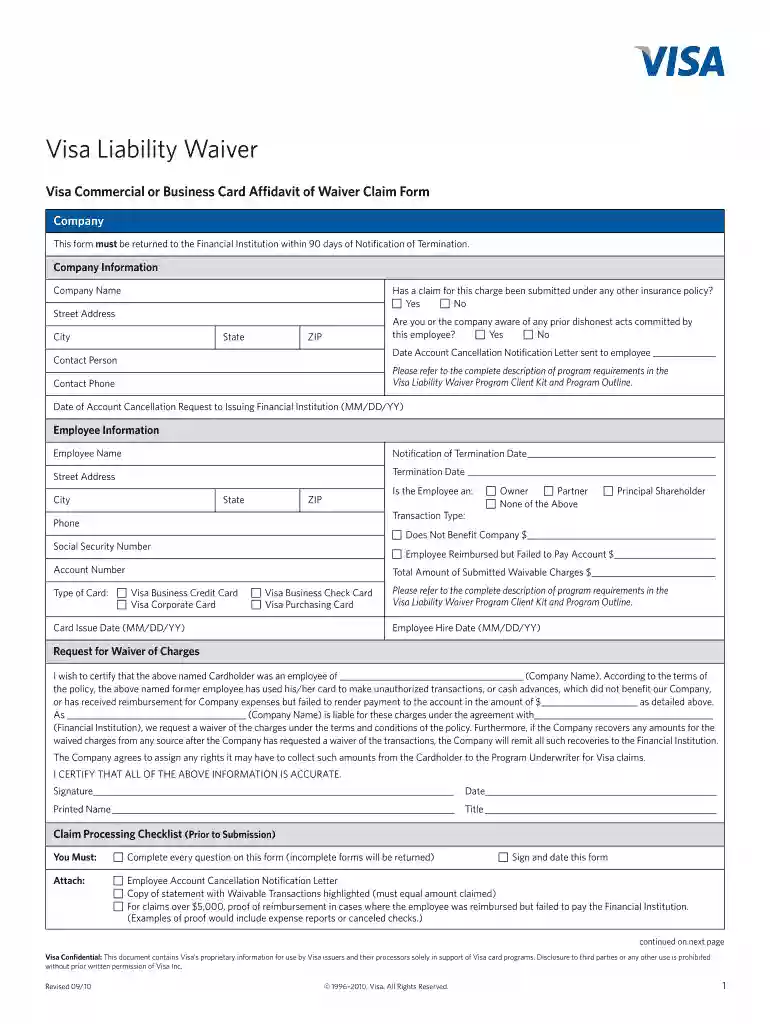
The Visa Liability Waiver Program protects you against eligible losses that might be incurred through card misuse by a terminated employee.
THIS LIMITATION OF LIABILITY CANNOT BE WAIVED OR. AMENDED BY ANY PERSON. THIS LIMITATION OF. LIABILITY WILL BE EFFECTIVE EVEN IF YOU HAVE ADVISED. HP OR ANRead more
Visas Liability Waiver Program. Failure to notify U.S. Bank within two (2) days of learning of an employment status change voids this protection. TheRead more


