Definition and Meaning of New York Custody
New York custody refers to the legal arrangement concerning the care and control of children following the separation or divorce of their parents. It encompasses both physical custody, which determines where the child lives, and legal custody, which involves decision-making responsibilities about the child's upbringing. In New York, custody could be sole, where one parent has full rights, or joint, where both parents share these rights. The state's family court system determines these arrangements based on the child’s best interests.
How to Use the New York Custody Form
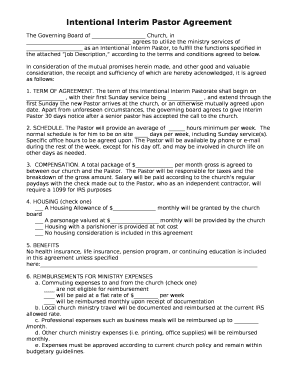
The New York custody form is essential in structuring parental rights and responsibilities. Typically, it is used in family court cases where parental custody is being established or modified. To use the form, individuals must accurately fill out their personal information and relevant details about the children involved. The document might include sections for explaining the preferred custody arrangement and any supporting reasons or evidence. Ensuring all fields are completed correctly is crucial for the form to be considered valid by the court.
Steps to Complete the New York Custody Form
-
Gather Necessary Information: Collect personal details about both parents and the child, including names, addresses, and relationship to the child.
-
Determine Custody Preferences: Decide on the type of custody arrangement sought, whether sole, joint, or split custody.
-
Provide Child's Information: Include details such as the child's date of birth, current living situation, and preferred living arrangement.
-
Draft Supporting Evidence: Prepare documents or statements that support the custody arrangement, such as a parenting time schedule or educational and health care details.
-
Review Legal Definitions and Terms: Understand the implications of legal versus physical custody to ensure accurate completion of the sections.
-
Finalize the Document: Double-check all entries for accuracy before signing the form. Both parents may need to sign under certain circumstances unless the court waives this requirement.
-
Submit the Form: File the document with the family court, either electronically or in person, following local court rules and guidelines.
Key Elements of the New York Custody Form
-
Custody Type: Clearly distinguishes between sole and joint custody, specifying the rights and duties of each parent.
-
Child’s Best Interests: Factors such as stability, the child’s wishes (considered if of suitable age), and the ability of each parent to provide are considered.
-
Parenting Plan: Outlines visitation schedules, holiday arrangements, and transportation duties to ensure consistent parenting time.
-
Legal Terms and Definitions: Includes explanations of terms like "physical custody," "legal custody," and "parental rights."
-
Signatures and Dates: Mandates signatures from all involved parties to certify the form’s authenticity and submission date.
Important Terms Related to New York Custody
-
Joint Custody: Both parents share the legal and/or physical responsibilities of the child.
-
Sole Custody: One parent is awarded exclusive physical and/or legal rights.
-
Best Interests of the Child: A standard that guides custody decisions focused on what best serves the child’s welfare and happiness.
-
Parenting Time/Visitation: Scheduled periods during which the non-custodial parent spends time with the child.
Legal Use of the New York Custody Form
The New York custody form is a critical legal document in proceedings related to divorce, separation, or modifications of existing custody arrangements. It is used to formalize agreements between parties in which court approval is secured, or to petition the court for a ruling if no agreement can be reached. The form’s legal standing ensures that agreed terms are enforceable under state laws and provides a clear framework for resolving disputes regarding parental responsibilities.
State-Specific Rules for New York Custody
New York has unique regulations governing custody arrangements. The court often requires parents undergoing custody disputes to attempt mediation prior to a hearing. Additionally, New York law emphasizes the psychological and emotional ties between the child and each parent, alongside the historical primary caregiver role when adjudicating custody. Understanding these state-specific nuances is vital for completing and utilizing the custody form.
State-by-State Differences in Custody Forms
While custody laws can vary significantly across different states, New York's prioritization of the child's best interest is a common principle in many jurisdictions. However, some states may favor joint custody or have different age considerations when evaluating a child’s preferences. It's essential for individuals completing the New York custody form to recognize these potential differences, particularly if there is concurrent jurisdiction or previous custody judgments from another state.
Real-World Examples of New York Custody Applications
In practice, custody arrangements can vary widely, from amicable agreements between parents to contested court battles. For instance, a couple may decide on joint physical custody where the child alternates weeks with each parent, while educational and health decisions are made collaboratively. Alternatively, in situations involving parental conflict or issues such as relocation, a parent may be awarded sole custody with supervised visitation rights for the other. Each instance highlights the flexibility and adaptability of the New York custody form to accommodate diverse family situations.