Definition and Meaning
Disabled Students' Allowances (DSAs) are financial aids provided to U.S.-based students with disabilities to help them access higher education without financial burdens. They are intended to cover specific needs arising from a disability, which may include specialist equipment, non-medical helpers, or travel expenses related to the student’s course. DSAs are not means-tested and do not need to be repaid, making them a distinct form of support compared to standard educational loans or grants.
Eligibility Criteria
Eligibility for DSAs primarily depends on the student’s disability and its impact on their ability to study rather than household income. Generally, applicants must provide evidence of their disability or specific learning difficulty, typically through a recent diagnostic assessment. Additionally, the applicant must be a U.S. citizen or legal resident pursuing full-time or part-time education at an accredited institution. Exceptions may apply, and specific eligibility requirements can vary based on the institution or state regulations.


Steps to Complete the DSAs and Eligible Form
- Gather Necessary Documentation: Collect medical evidence or assessment reports that outline the nature of your disability or learning difficulty.
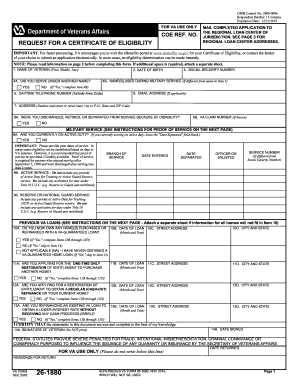
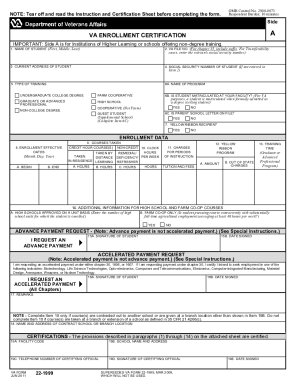
- Application: Fill out the application form provided by your educational institution or the designated authority handling DSAs.
- Submit Supporting Documents: Attach your diagnosis or assessment documentation with the application form.
- Assessment of Needs: Post-application, you might be asked to attend a Needs Assessment appointment, where specific requirements and support will be determined.
- Await Approval: After all submissions, wait for the approval decision, which will detail the specific allowances granted.
Important Terms Related to DSAs
- Needs Assessment: A session conducted to assess the specific academic support that disabled students will require.
- Specialist Equipment: Tools or software provided to assist in academic activities, e.g., speech-to-text software.
- Non-Medical Helpers: Individuals who provide personal support such as note-taking or interpreting services.
- Reasonable Adjustments: Modifications in the learning environment to accommodate disabled students’ needs.
Application Process and Approval Time
The process begins with submitting an application and necessary documentation. Applicants should allow several weeks for processing and for any required follow-up assessments. The approval timeline can vary significantly based on the completeness of the initial application and the need for supplementary assessments or documentation. Proactive submission of all required materials can help expedite the process.
Examples of Using DSAs
- Equipment Funding: A student with a visual impairment might receive funding for a text-to-speech device to assist with reading assignments.
- Travel Support: A student with mobility issues could get help covering transportation costs to and from campus.
- Academic Assistance: Students with dyslexia may qualify for a specialist tutor to help with specific learning strategies.
Required Documents
- Medical or Diagnostic Reports: These are essential to verify the disability and must be from a recognized professional.
- Completed Application Form: Specific to the institution's DSA application process.
- Proof of Enrollment: Confirmation of enrollment in an eligible educational program or course.
Key Elements of the DSAs Program
The key components of DSAs include the coverage of specific costs required for students to engage effectively in their education. This may comprise specialist hardware and software, assistance with travel costs incurred due to disability, and extra support such as tutoring or interpreting. DSAs aim to provide tailored support to ensure equitable access to educational opportunities.
Legal Use of DSAs
DSAs should be used strictly for educational support as intended and specified in the allowance agreement. Misuse, such as selling provided equipment or using funds for unintended purposes, can result in penalties or the requirement to repay money. Compliance with agreements and maintaining records of purchases and usage is vital for transparency and accountability.
Who Typically Uses DSAs
DSAs are commonly used by college and university students who have a documented disability affecting their academic performance. This includes those with physical disabilities, sensory impairments, mental health conditions, or specific learning difficulties such as dyslexia. DSA recipients span various educational fields and degree levels, reflecting the diverse range of students who benefit from these allowances.