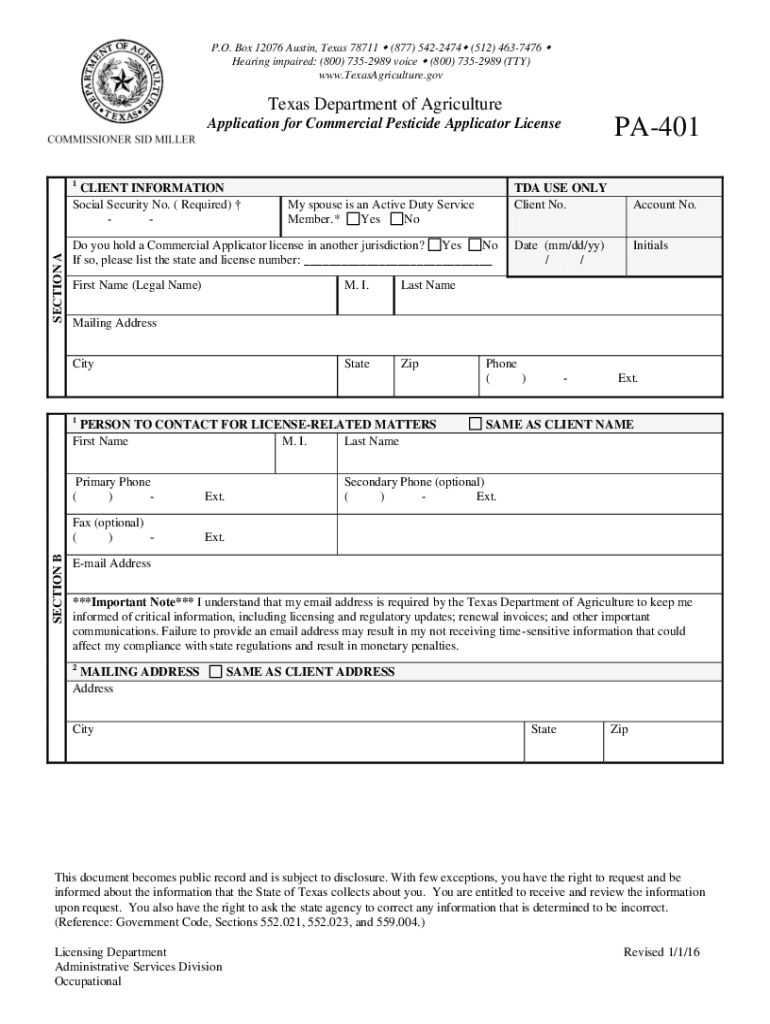







Definition and Meaning of Hearing Impaired Services
Hearing impaired services are essential communication tools that assist individuals who are deaf or hard of hearing. These services, accessible via specific contact numbers like for voice and for TTY (Teletypewriter), provide a bridge for effective communication between hearing and non-hearing individuals. TTY, in particular, converts typed messages into signals that travel over phone lines, allowing for text-based conversations. The primary purpose of these services is to ensure that those with hearing impairments can access the same telecommunication facilities as hearing individuals, promoting equal participation in society.
How to Use the Hearing Impaired Numbers
To utilize the hearing impaired services, individuals simply need to dial the corresponding number, depending on whether they require voice or TTY communication. Here's a step-by-step process:
- Determine the Communication Method: Decide if you need voice communication (for voice users) or TTY (for text-based communication).
- Dial the Appropriate Number:
- For voice communication, use voice.
- For text communication, use TTY.
- Follow the Instructions: Once connected, follow the automated instructions or prompts to facilitate the communication process.
- Communicate: Engage in your conversation using the chosen method, ensuring clarity and understanding between parties.
These services are designed to be intuitive and user-friendly, ensuring that users can communicate without unnecessary hurdles or complications.
Obtaining Access to Hearing Impaired Services
Access to hearing impaired services via the specified phone numbers is straightforward and typically does not require any complex procedures. Most telecommunication providers offer access to these services as part of their commitment to accessibility and compliance with relevant regulations such as the Americans with Disabilities Act (ADA). Users can contact their service providers if they have questions about accessing TTY or voice services for hearing impaired communication.
Steps to Complete Communication Using Hearing Impaired Services
Effective use of hearing impaired communication tools involves a series of steps designed to streamline the interaction:
- Understand the Needs: Recognize whether the conversation requires voice or TTY communication.
- Initiate the Call:
- For voice calls, dial the voice number.
- For text-based communication, use the TTY number.
- Use Appropriate Devices: Ensure you have the necessary equipment:
- A standard phone for voice calls.
- A TTY device for text communication.
- Follow Prompts: Listen or read any instructions provided after connecting to the service.
- Conduct the Conversation: Engage in dialogue using clear and concise language or text.
- Conclude the Call: End the conversation and hang up when communication is complete.
These steps ensure that the communication process is smooth and efficient, minimizing the potential for misunderstandings.
Why Use Hearing Impaired Services
Utilizing hearing impaired services provides numerous benefits:
- Accessibility: Ensures equal access to telecommunication services for the deaf and hard of hearing community.
- Inclusivity: Promotes inclusive communication, allowing hearing impaired individuals to interact seamlessly within the hearing community.
- Compliance: Adheres to legal mandates, such as the ADA, by providing necessary accommodations for those with disabilities.
- Reliability: Offers a dependable communication channel that compensates for hearing impairments, maintaining communication quality.
These advantages underline the importance of hearing impaired services in fostering an inclusive society.
Who Typically Uses Hearing Impaired Services
Hearing impaired services are utilized by a wide range of individuals and organizations, including:
- Deaf and Hard of Hearing Individuals: Primary users who require alternative communication methods.
- Businesses and Organizations: Ensure accessibility for their hearing impaired employees and customers.
- Government and Public Services: Provide accessible communication options to citizens with hearing impairments.
- Emergency Services: Offer crucial communication channels during emergencies to ensure effective assistance.
The broad usage underscores the critical role these services play in daily communication across various sectors.
Legal Use and Compliance with Hearing Impaired Numbers
Using hearing impaired numbers aligns with legal requirements under U.S. laws such as the ADA, which mandates equal access to communication tools for individuals with disabilities. Compliance ensures that businesses and service providers avoid potential legal repercussions while fostering an inclusive environment. Adhering to these regulations also enhances an organization's reputation, demonstrating a commitment to accessibility and equality.
Key Elements of Hearing Impaired Services
Hearing impaired services are characterized by several key elements:
- TTY and Voice Options: Providing dual communication methods to cater to different needs.
- Universal Access: Available to any individual requiring communication assistance.
- Regulatory Compliance: Adherence to legal standards ensures services meet accessibility criteria.
- User-Friendly Interfaces: Designed for ease of use, facilitating communication without additional complexity.
These components ensure that hearing impaired services are effective, inclusive, and legally compliant, serving the diverse needs of users across various situations.