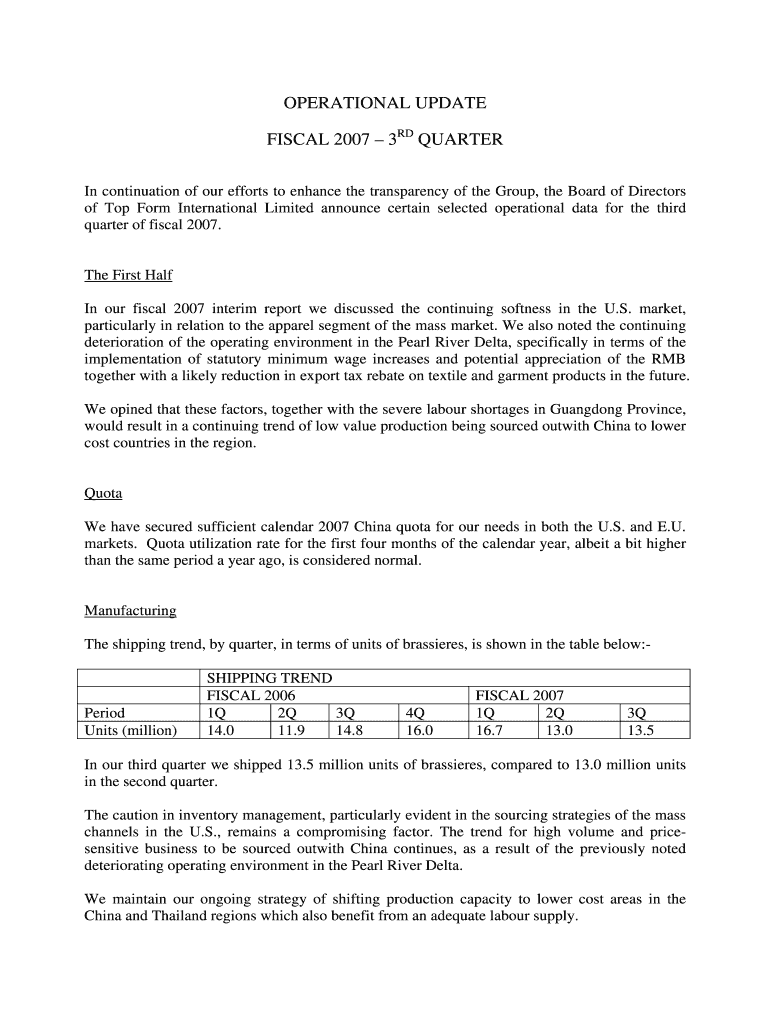







Definition & Meaning of the Operation Update Doc
The "Operation Update doc" is a formal document used to detail changes or updates within a business's operational framework. This document is often utilized by organizations to communicate adjustments in processes, strategies, or management structures. It serves as an essential tool for internal communication, ensuring that all stakeholders are informed of current operational dynamics and potential impacts on their roles or responsibilities.
Well-structured operation update documents provide clarity on the rationale behind operational changes and foster a transparent culture within the organization. The document typically includes a detailed narrative of the update, reasons for the change, and anticipated outcomes. It is critical for maintaining organizational alignment and supporting smooth transitions during periods of change.
How to Use the Operation Update Doc
Utilizing the Operation Update doc involves several steps to ensure it is both comprehensive and effective in communicating critical information. Users should start by clearly defining the scope and implications of the update, outlining the changes in detail. This includes identifying affected departments, teams, or processes.
-
Identify the Purpose: Clearly articulate the reason for the operational update. This could range from process improvements to shifts in strategic priorities.
-
Document the Changes: List the specific changes being implemented and their anticipated impact on operations.
-
Communicate Timelines: Establish and communicate any relevant timelines for when the changes will take effect.
-
Assign Responsibilities: Clearly define who is responsible for each part of the implementation process.
-
Outline Expected Outcomes: Include measurable objectives to gauge the success of the operational changes.
These steps help maintain a uniform understanding across the organization, minimizing disruptions and fostering a supportive environment for change.
Key Elements of the Operation Update Doc
An Operation Update document is built around key elements that ensure it effectively communicates its message and is actionable by all recipients.
-
Title and Date: Clearly indicate the document's title and the date it was created to ensure readers understand the context and timing.
-
Summary of Update: Provide a concise summary that highlights the main points of the operational update.
-
Background and Rationale: Explain the reason for the update, including an analysis of current operations and the necessity for change.
-
Detailed Description: Include a section that elaborates on the specific changes, methodologies, or strategies being implemented.
-
Impact Analysis: Discuss potential impacts on different business areas to prepare teams for upcoming transformations.
-
Next Steps: Outline the actions required to implement the changes, including deadlines and responsible parties.
-
Feedback Mechanism: Offer ways for employees or stakeholders to ask questions or provide input on the operational update.
These elements ensure that an operation update document is not only informative but also actionable.
Steps to Complete the Operation Update Doc
Completing the Operation Update doc involves a structured process that ensures it meets the organization's needs effectively.
-
Gather Information: Collect all relevant data and insights that justify the need for an operational update.
-
Draft the Update: Begin with a draft that includes all the key elements. Be clear and concise, avoiding jargon that can confuse readers.
-
Review and Revise: Seek feedback from key stakeholders and revise the document to ensure accuracy and clarity.
-
Finalize the Document: Ensure all sections are complete and coherent, and that all information is up-to-date and relevant.
-
Distribute to Stakeholders: Share the finalized document with all relevant parties, using a system that tracks acknowledgments of receipt.
By following these steps, organizations can produce a comprehensive operation update document that effectively communicates essential changes.
Legal Use of the Operation Update Doc
The Operation Update doc plays a crucial role in maintaining legal compliance within an organization. It ensures that all operational changes are documented in accordance with company policies and industry regulations.
-
Record-Keeping: Maintaining accurate records of operational updates helps demonstrate compliance with regulatory requirements.
-
Policy Alignment: Ensures that all changes align with existing corporate policies and legal standards, preventing potential disputes.
-
Audits and Inspections: Serves as evidence during audits or inspections that due diligence has been undertaken in operational changes.
-
Risk Management: Helps identify and mitigate risks associated with operational changes, contributing to a culture of legal and ethical compliance.
Organizations should review these documents regularly to ensure they remain current with laws and regulations.
Who Typically Uses the Operation Update Doc
The Operation Update doc is primarily used by managers, executives, and team leaders within an organization. These individuals are responsible for communicating strategic changes to their teams and ensuring that the updates are implemented effectively.
-
Executives: Utilize the document to align company-wide strategies and directives.
-
Department Heads: Communicate updates specific to their area of responsibility.
-
Project Managers: Implement operational changes within specific projects, using the document as a guiding framework.
-
HR Professionals: Facilitate changes that impact staffing or employee relations.
These users rely on the Operation Update document to standardize communications and reinforce organizational strategies.


Software Compatibility for the Operation Update Doc
The flexibility of the Operation Update doc in terms of software compatibility is a significant advantage, allowing it to be integrated seamlessly with various digital tools.
-
Cloud Platforms: Compatible with cloud storage services like Google Drive and Dropbox for easy access and sharing.
-
Document Editors: Can be edited using software such as Microsoft Word or Google Docs, providing collaborative features.
-
Project Management Tools: Integrates with platforms such as Asana or Trello to track implementation of updates.
-
Signature and Approval Systems: Utilizes digital signature tools like DocHub for approvals and verifications.
Ensuring the document is compatible with these tools aids in efficient distribution and ease of access.
Examples of Using the Operation Update Doc
Real-world scenarios demonstrate the versatility and importance of the Operation Update doc within various organizational contexts.
-
Manufacturing Process Change: A manufacturer uses the document to detail updates in their production line, improving efficiency and meeting environmental regulations.
-
IT System Overhaul: An IT department implements an update to their infrastructure, communicated through the document to avoid disruptions.
-
Remote Work Policy: A company adopts a new remote work policy, using the document to clearly outline guidelines and support materials for employees.
These examples illustrate how the Operation Update document can facilitate effective communication across diverse scenarios.