
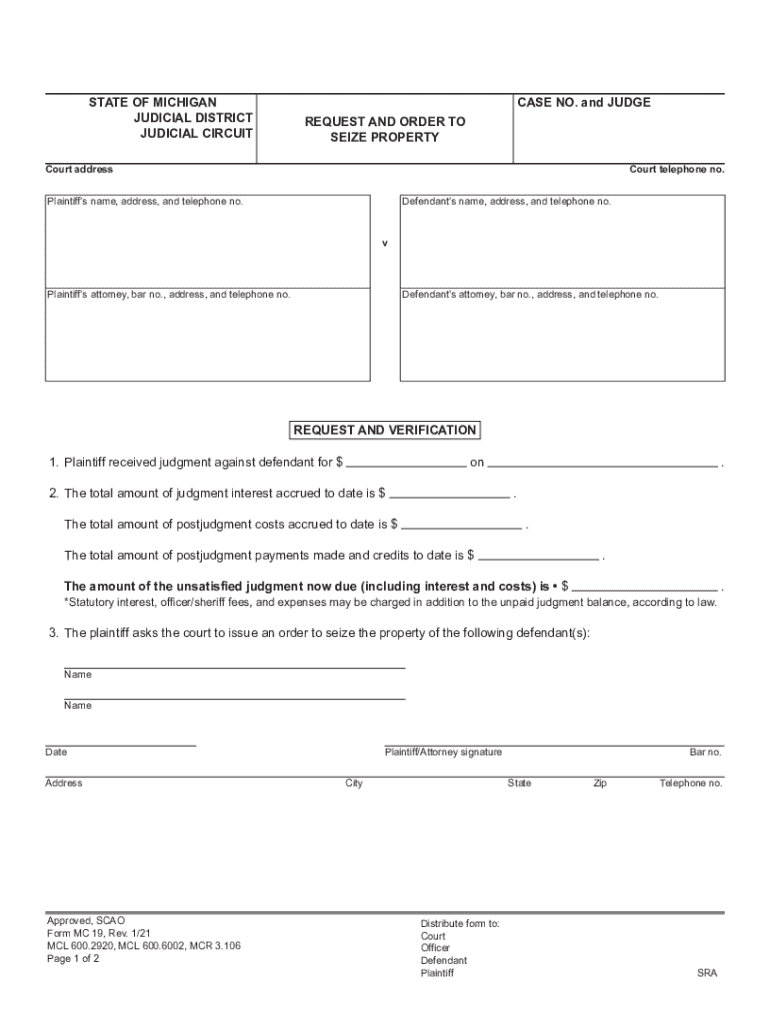







Definition and Purpose of Small Claims at 52-4 District Court Oakland County, MI
Small claims courts, such as the 52-4 District Court in Oakland County, MI, are specialized judicial venues designed to handle disputes involving relatively small monetary amounts. In Michigan, the limit for small claims cases is generally up to $6,500. These courts offer a simplified, expedient process for resolving legal issues without requiring the formal procedures of higher courts. Often, these are intended for cases like unpaid debts, breach of contract, return of security deposits, and minor personal injury claims. The goal is to provide an accessible avenue for individuals to present their cases without needing extensive legal representation.
Who Uses Small Claims Court
Individuals who typically use the Small Claims at the 52-4 District Court include private citizens seeking legal recourse for limited monetary disputes. Common users are landlords pursuing unpaid rent, vendors resolving payment disagreements, or consumers addressing grievances against businesses. Small claims courts are particularly beneficial for those who wish to resolve disputes without incurring significant legal fees or engaging in protracted litigation. This accessibility ensures that all parties, regardless of income level, have an equal opportunity to present their arguments and seek justice.
How to Obtain the Small Claims Form
To initiate a claim in small claims court, you first need to obtain the appropriate forms from the 52-4 District Court in Oakland County. These forms are typically available at the court's clerk office and can sometimes be downloaded from the court's official website. The claimant must fill out the form thoroughly, detailing the nature of the dispute and the amount being claimed. It is crucial to provide accurate and complete information, as any discrepancies can delay the processing of your case.
Steps to Complete the Small Claims Form
-
Identify the Correct Parties: Ensure that all parties involved in the dispute are correctly identified with full names and addresses. Mistakes in this section can result in process delays or dismissals.
-
Detail the Nature of Your Claim: Clearly describe the reason for your claim, including any agreements or contracts involved. Provide specific details and attach any supporting documents, such as receipts or contracts, that substantiate your claim.
-
Specify the Amount: Indicate the precise amount you seek to recover. If your claim includes interest or penalties, make sure to specify how these were calculated.
-
Sign and Date the Form: The form must be signed and dated to validate it legally. In some cases, a notarization may be required.
Filing Deadlines and Important Dates
The statute of limitations for filing a small claims case in Michigan typically ranges from two to six years, depending on the nature of the claim. It is essential to file your case within this period to avoid losing your right to pursue legal action. Once the case is filed, the court schedules a hearing date, which is usually within a few months. Ensuring timely filing and preparation is critical for a speedy resolution.
Legal Use and Procedural Guidelines
The 52-4 District Court ensures that small claims proceedings adhere to state laws and local regulations. Parties in a small claims case generally cannot have attorneys represent them during the hearing, although they may seek legal advice beforehand. The process is informal, with each party presenting their case and evidence directly to the judge. The court's decision is legally binding, though appeals are possible under specific circumstances.
Required Documents for Submission
When filing your claim, you'll need to provide multiple copies of the completed small claims form, supporting evidence such as contracts or invoices, and proof of any prior communication with the opposing party. You must also include payment for the filing fee, the amount of which varies by claim size. It's advisable to check with the court for the exact fee schedule.
Form Submission Methods
Claims can often be filed by mail, in person, or sometimes online if the court offers electronic filing services. While filing in person ensures immediate confirmation and can clarify any potential errors, mailing your form provides convenience and flexibility for those unable to visit the court. If online submission is available, it simplifies the process further but may have specific requirements, such as PDF format for documents.
Examples of Small Claims Cases
Examples of cases successfully resolved at the 52-4 District Court include landlords reclaiming unpaid rent after lease termination, freelance contractors collecting unpaid invoices, or buyers seeking damages from defective goods. These real-world scenarios demonstrate the utility of the small claims process in providing equitable solutions to common legal disputes.
Differences Between Digital and Paper Versions
The court may offer digital forms compatible with editing and submission through platforms like DocHub, which facilitates document manipulation and electronic signatures. Digital versions allow applicants to fill out forms more conveniently and precisely, while traditional paper submissions remain valid for those who prefer manual completion. Each format should adhere to identical content requirements and legal standards.
By understanding these critical aspects of Small Claims at the 52-4 District Court Oakland County, MI, claimants can proceed with confidence and clarity, ensuring an organized approach towards seeking legal resolutions.




