Definition & Meaning
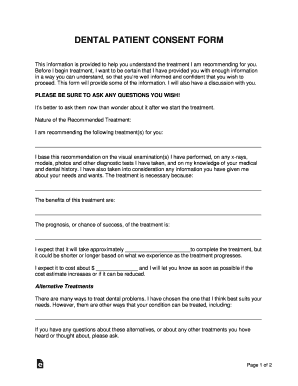
The "Request for Booking" form is a structured document used to formalize the process of scheduling a venue or service. It provides a comprehensive framework to ensure all necessary details and obligations are clear between the parties involved. Often used by organizations such as performance centers or rental facilities, it specifies the terms of booking, including dates, times, and specific requirements.
The form acts as a binding agreement that outlines the responsibilities and expectations of both the booker and the service provider. This ensures that all logistical, financial, and administrative details are agreed upon and that any potential for disputes is minimized. The form's clarity and detail make it a critical tool for effective communication and planning in the booking process.
How to Use the Request for Booking
Using the "Request for Booking" form involves several key steps to ensure accuracy and completeness. Here is a guide:
-
Identify the Details: Start by gathering all relevant information regarding the booking, such as the date, time, location, and purpose of the booking. Ensure you have the contact information of all parties involved.
-
Complete the Form: Fill in the form with the details you have gathered. This could include the specifics of the event or service, the organization requesting the booking, and any special requirements needed for the event.
-
Review Requirements: Once the form is filled out, review any specific requirements or conditions noted on the form to understand the obligations of both parties.
-
Submit the Form: After double-checking all entries for accuracy, submit the form through the preferred method whether it be in-person, mail, or an online submission platform.
Examples include booking a performance venue for a local arts organization or securing a conference space for a corporate event.
How to Obtain the Request for Booking
To acquire a "Request for Booking" form, you'll generally need to go directly to the service provider or the venue you wish to book. Here’s how you might typically go about it:
-
Visit the Venue’s Website: Many organizations provide downloadable versions of their booking forms on their websites. This is particularly common for established venues with robust digital infrastructures.
-
Contact the Venue Directly: If an online form is not available, calling or visiting the venue’s management office can provide you direct access to the required documents.
-
Request Through Email: Some venues might provide forms upon request via email, ensuring you receive the most current version of the document.
Make sure to verify that you have the correct and latest version of the form suitable for the type of booking you wish to make.
Steps to Complete the Request for Booking
Filling out the "Request for Booking" form efficiently involves a series of careful steps:
-
Gather Preliminary Information: Prior to beginning the form, compile all necessary data such as the date, time, contact details, and any specific requests you may have.
-
Enter Basic Information: Start by entering the fundamental details such as your name, organization, contact information, and date of the event.
-
Detail the Event: Provide a comprehensive description of the event or service, including any technical, spatial, or specific logistical needs you might require.
-
Sign and Date the Form: Ensure you have signed and dated the document to confirm your commitment to the booking terms.
-
Submit and Follow Up: After submission, check in with the venue or service provider to confirm receipt and clarify any potential questions or required actions.
Why Should You Request for Booking
The "Request for Booking" form offers numerous benefits:
-
Formalization of Agreements: The form serves as a formal agreement between both parties, reducing the possibility of misunderstandings or disputes.
-
Clear Communication: By detailing all relevant information, both the booking party and the service provider have a clear understanding of expectations and requirements.
-
Efficient Planning: With all details specified, logistical planning becomes streamlined, saving time and resources.
Using a "Request for Booking" form ensures you secure your desired venue or service with minimal hassle and maximum clarity.
Who Typically Uses the Request for Booking
Various individuals and organizations utilize the "Request for Booking" form:
-
Event Planners: Professionals planning corporate events, weddings, conferences, or concerts often rely on this form for organizational purposes.
-
Non-Profit Organizations: Groups hosting fundraising events, community workshops, or performances use these forms to organize event logistics.
-
Business Owners: Companies seeking to rent conference rooms or other venues for meetings and seminars frequently use booking request forms.
These professionals require clear, detailed agreements to ensure their events run smoothly and efficiently.


Key Elements of the Request for Booking
The "Request for Booking" form contains several core elements essential for its effectiveness:
-
Contact Information: Details of both the party making the booking and the service provider.
-
Booking Details: Specifics regarding the event or service, including dates, times, and location.
-
Terms and Conditions: Any obligatory rules or requirements that both parties must agree upon.
-
Signatures: Signatures from authorized representatives to confirm and secure the agreement.
Each element contributes to a comprehensive document that protects the interests of all parties involved.
State-specific Rules for the Request for Booking
In the United States, various state regulations can affect how "Request for Booking" forms are handled:
-
Licensing Requirements: Some states may require additional licensing or permits for specific types of events or bookings, such as concerts or large gatherings.
-
Insurance Policies: State laws might mandate particular insurance policies to protect both parties from potential liabilities during events.
-
Cultural Regulations: Local ordinances can influence the terms of a booking, such as noise restrictions or facility usage limits.
Understanding these state-specific rules ensures compliance and helps avoid potential legal issues associated with your booking.