




01. Edit your w 2 2023 printable form online
Type text, add images, blackout confidential details, add comments, highlights and more.

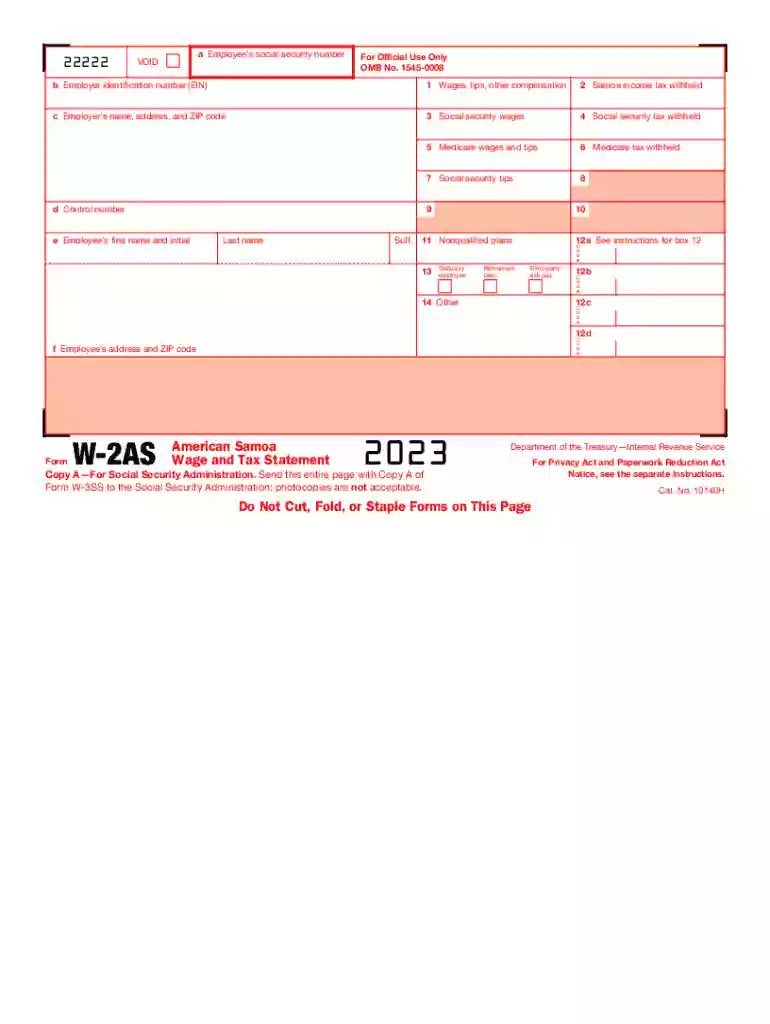
Type text, add images, blackout confidential details, add comments, highlights and more.

Draw your signature, type it, upload its image, or use your mobile device as a signature pad.

Send w2 form 2023 via email, link, or fax. You can also download it, export it or print it out.
The phrase "Is That Social Security Email About Form W-2 Filing?" typically refers to communications from the Social Security Administration regarding the submission and processing of Form W-2. Form W-2, also known as the Wage and Tax Statement, is a document that employers must send to their employees and the Internal Revenue Service at the end of each year. It reports an employee's annual wages and the amount of taxes withheld from their paycheck. Emails about Form W-2 filing are often sent to provide instructions, reminders, or alerts about the upcoming tax filing requirements and deadlines.
To effectively use the "Is That Social Security Email About Form W-2 Filing?" ensure you:
Verify Sender Authenticity: Always check that emails claiming to be from the Social Security Administration originate from official sources. Look for official Social Security email addresses and avoid opening attachments or links from suspicious emails.
Understand the Requirements: Read the email content thoroughly to understand filing deadlines, updates on form requirements, and any changes in submission procedures.
Follow Instructions: Adhere to specific instructions provided in the email, whether related to electronic filing, required documents, or updates in reporting practices.
This type of communication is primarily intended for:


Emails about Form W-2 filing from the Social Security Administration should be used for:
These emails often include:
The IRS provides specific guidelines on how to correctly complete and file Form W-2:
Failing to correctly file Form W-2 can lead to penalties:
We've got more versions of the w 2 2023 printable form form. Select the right w 2 2023 printable form version from the list and start editing it straight away!
| Versions | Form popularity | Fillable & printable |
|---|---|---|
| 2025 | 4.6 Satisfied (31 Votes) | |
| 2024 | 4.2 Satisfied (56 Votes) | |
| 2023 | 4.2 Satisfied (60 Votes) | |
| 2022 | 4.2 Satisfied (52 Votes) | |
| 2021 | 4.8 Satisfied (47 Votes) | |
| 2020 | 4.1 Satisfied (77 Votes) | |
| 2019 | 4.4 Satisfied (116 Votes) | |
| 2018 | 4.3 Satisfied (70 Votes) | |
| 2017 | 4.3 Satisfied (210 Votes) | |
| 2016 | 4.4 Satisfied (420 Votes) | |
| 2015 | 4 Satisfied (20 Votes) | |
| 2014 | 4.2 Satisfied (41 Votes) | |
| 2013 | 4 Satisfied (42 Votes) | |
| 2012 | 4.2 Satisfied (43 Votes) | |
| 2011 | 4.4 Satisfied (25 Votes) |
You need to use only trustworthy software solutions with strong data protection compliance to approve your documents electronically. DocHub is just the type of service you need! It stores data on Amazon Web Servers and complies with all required security criteria and eSignature laws, so it’s a trusted way to electronically sign your free w 2 2023 printable form or other paperwork using this tool.
If you are looking for a state-specific statutory employee sample, you can find it in our DocHub Forms & Templates catalog. Use the search field, key in your form’s name, and search through the results for your state. You may also filter out irrelevant results while exploring our catalog by groups.
At DocHub, your data security is our priority. We follow HIPAA, SOC2, GDPR, and other standards, so you can work on your documents with confidence.
2007 Forms W-2 with the Social Security Administration. General Instructions extension of time to file Form W-2 with the SSA by sending. Electronic
May 2, 2017 Complete and file Form W-2 for each employee for whom any of the following applies (even if the employee is related to you). You withheld any
The Social Security Number Verification Service allows employers to verify the names and Social Security numbers of current and former employees for wage


