




Understanding the Shorthold Tenancy Agreement Template
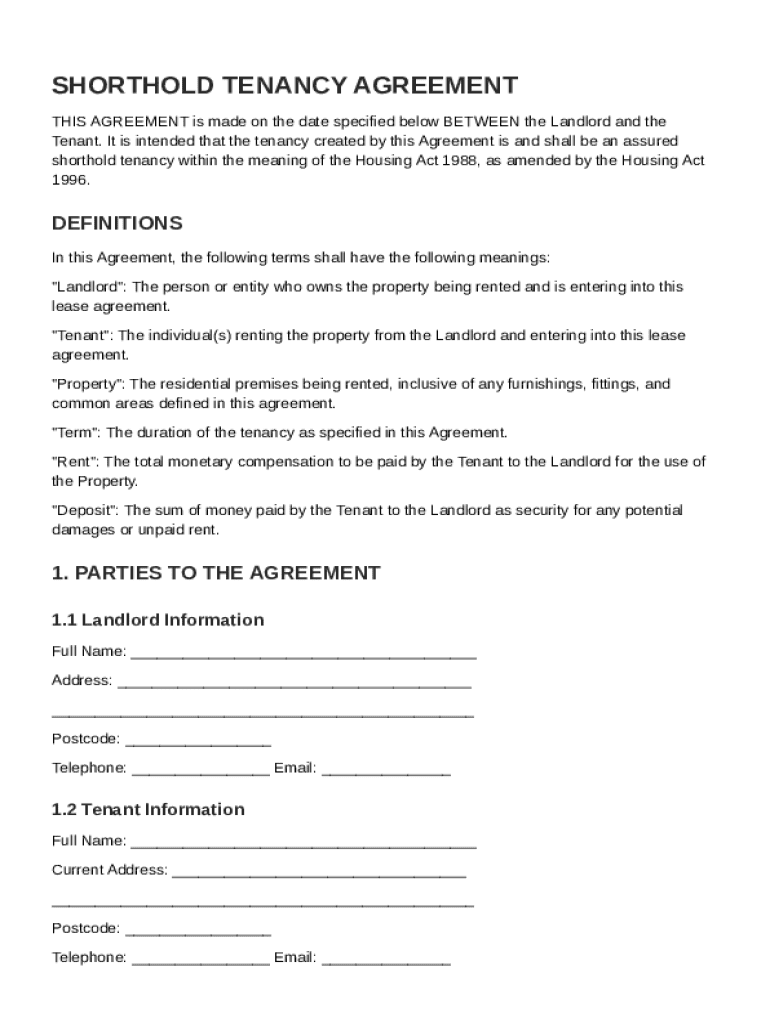
A Shorthold Tenancy Agreement Template is a legally binding document that outlines the terms and conditions of a residential rental arrangement between a landlord and a tenant. This template provides a structured format for defining key aspects, such as rent payment, maintenance responsibilities, and termination procedures. By utilizing this template, landlords and tenants can ensure clarity and prevent disputes by explicitly recording their agreements.
How to Use the Shorthold Tenancy Agreement Template
To effectively use the Shorthold Tenancy Agreement Template, follow these steps:
-
Download the Template: Access the Shorthold Tenancy Agreement Template from DocHub or other reliable sources. Ensure you save it in a compatible file format for easy editing.
-
Customize the Terms: Modify the template to suit specific tenancy terms, such as tenant names, rental amounts, property details, and lease duration.
-
Review and Finalize: Both parties should review the completed template for accuracy and completeness. Ensure all necessary terms are clearly defined to avoid misunderstandings.
-
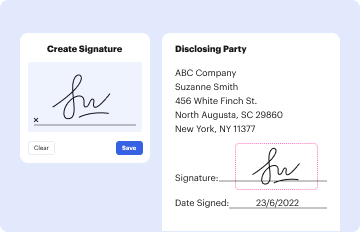
Sign the Agreement: Use DocHub's electronic signature feature to collect legally binding signatures from both the landlord and tenant, ensuring mutual agreement.
-
Store and Share: Once signed, store the document securely and provide copies to all parties involved for their records.
Steps to Complete the Shorthold Tenancy Agreement Template
Completing the Shorthold Tenancy Agreement Template involves several detailed steps:
-
Insert Basic Tenant Information: Include full names, addresses, and contact information for both the landlord and tenant.
-
Define the Rental Property: Clearly describe the property being rented, including the address, unit number (if applicable), and any included spaces such as garages or storage.
-
Establish Rent Terms: Specify the monthly rent amount, due date, and acceptable payment methods. Consider including penalties for late payments.
-
Outline Responsibilities: Detail the maintenance obligations for both parties, including regular upkeep and addressing repairs.
-
Include Additional Clauses: Address specific conditions such as pet policies, smoking restrictions, and conditions for making alterations to the property.
-
Add Termination Clauses: Define the process for lease termination, including notice periods required from either party.
Key Elements of the Shorthold Tenancy Agreement Template
The Shorthold Tenancy Agreement Template should contain the following key elements:
-
Parties Involved: Clearly state the names and roles (landlord or tenant) of all parties involved.
-
Property Description: Provide a detailed description of the property being leased.
-
Rent and Deposit Details: Include the rent amount, payment schedule, and security deposit requirements.
-
Lease Duration: Specify the start and end dates of the tenancy agreement, with options for renewal if applicable.
-
Responsibilities and Rights: Define maintenance responsibilities, rights to access the property, and any restrictions on property use.
-
Termination Procedures: Outline the processes and notice periods required for ending the tenancy.
-
Additional Provisions: Include any other specific agreements, such as policies on pets or subletting.
Legal Use of the Shorthold Tenancy Agreement Template
Legally utilizing a Shorthold Tenancy Agreement Template requires adherence to specific regulations:
-
Compliance with Local Laws: Ensure the template complies with state landlord-tenant laws to ensure enforceability.
-
Legally Binding Signatures: Collect signatures through a platform like DocHub to ensure they are legally recognized.
-
Record Keeping: Maintain accurate records of the agreement and any amendments for future reference and legal protection.
Important Terms Related to the Shorthold Tenancy Agreement Template
Understanding key terms in the Shorthold Tenancy Agreement Template is crucial:
-
Lease Term: The period during which the tenant is entitled to occupy the rental property.
-
Security Deposit: An amount collected from the tenant to cover potential damages or unpaid rent.
-
Default: Breach of contract by either party, such as failure to pay rent or maintain the property.
-
Subletting: Allowing another person to occupy the property under the original tenant’s lease.
-
Renewal Clause: Terms under which the lease can be extended beyond the original term.
Who Typically Uses the Shorthold Tenancy Agreement Template
The Shorthold Tenancy Agreement Template is primarily used by:
-
Landlords: To formalize rental agreements with tenants and protect their property interests.
-
Tenants: To understand their rights and responsibilities within a tenancy arrangement.
-
Property Managers: Ensuring all tenant agreements are standardized and compliant with legal requirements.
-
Legal Professionals: Assisting clients in drafting and reviewing tenancy agreements for compliance and comprehensiveness.

Who Issues the Form
Typically, property management companies, real estate agencies, or legal professionals provide access to the Shorthold Tenancy Agreement Template, often customizing it for the specific needs of landlords and tenants. These professionals ensure the form meets local legal standards and encompasses all necessary terms and conditions for a clear, enforceable agreement.