






Definition & Meaning
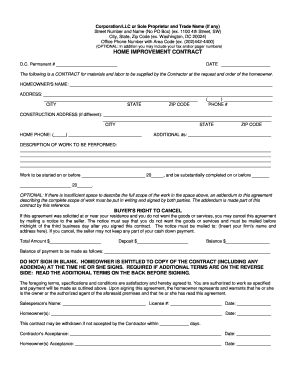
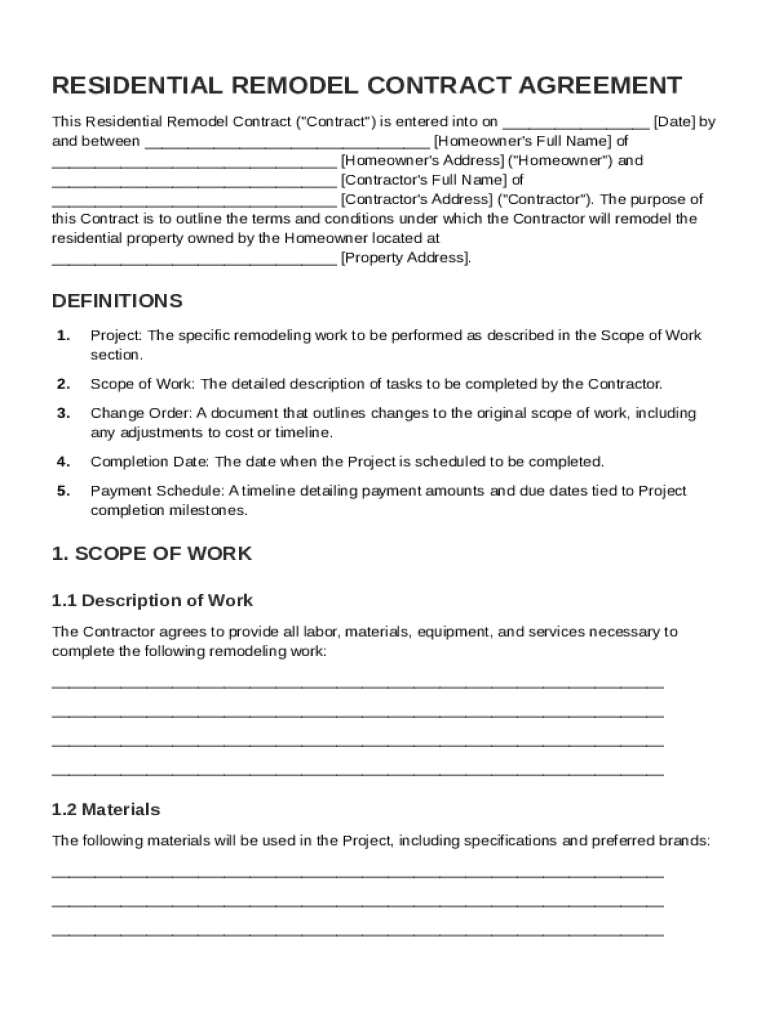
The Residential Remodel Contract Template is a standardized legal document used to outline the terms and conditions of a remodeling project between a homeowner and a contractor. Its primary function is to establish a clear agreement on the scope of work, payment schedules, and responsibilities of both parties. By detailing these elements, the contract helps prevent misunderstandings and disputes during the course of the project.
- Scope of Work: The contract specifies the exact tasks that will be performed, including any particular requirements or materials to be used. This section is crucial as it sets the foundation for the entire remodeling work.
- Payment Terms: Detailed payment schedules are outlined, often tied to the completion of specific project milestones. This ensures transparency and helps maintain a professional relationship between the homeowner and the contractor.
- Legal Provisions: Includes clauses such as warranties, termination rights, and dispute resolution methods. These are designed to protect the interests of both parties.
Key Elements of the Residential Remodel Contract Template
Several critical elements are included in the Residential Remodel Contract Template to ensure it covers all necessary aspects of a remodeling agreement. Each section serves a specific purpose, contributing to the overall clarity and effectiveness of the contract.
Detailed Scope of Work
The scope of work is a comprehensive section that clearly defines what will be accomplished during the remodel. This includes timelines, specific tasks, materials, and expected outcomes. It is essential to prevent any ambiguity about what the contractor will deliver.
Payment Schedule
Payment terms are typically organized into a schedule based on project milestones. This might include an initial deposit, progress payments upon reaching certain stages, and a final balance due upon completion. Such structuring ensures that the contractor receives payment in a timely manner while providing the homeowner with leverage to ensure work is completed satisfactorily.
Change Order Provisions
Changes in the original plan are common in remodeling projects. The contract includes provisions for change orders, ensuring that any alterations to the initial agreement, including new costs or time extensions, are documented and agreed upon by both parties.
Steps to Complete the Residential Remodel Contract Template
Filling out the Residential Remodel Contract Template involves several key steps to ensure all necessary information is included and clear agreements are made.
- Identify Parties Involved: Clearly list the full names and contact information of the homeowner and the contractor.
- Define Scope of Work: Using a detailed description, outline all tasks, materials, and specifications relevant to the remodeling project.
- Establish Payment Terms: Create a payment schedule tied to specific project milestones to provide clarity on when payments will be made.
- Include Legal Provisions: Detail warranties, rights of termination, and methods for dispute resolution to protect both parties' interests.
- Document Change Order Procedures: Specify how any changes to the project scope will be handled with respect to time and costs.
- Review and Sign: Both parties should carefully review the contract, make any necessary adjustments, and finalize by signing and dating the document.
Important Terms Related to Residential Remodel Contract Template
Understanding key terms within the Residential Remodel Contract Template is crucial for both parties involved. These terms establish the foundation of the contract and clarify obligations.
- Change Order: A written amendment to the contract detailing any revisions to the scope of work, timelines, or costs.
- Warranties: Guarantees provided by the contractor regarding the quality of workmanship and materials used.
- Dispute Resolution: Methods outlined in the contract for resolving disagreements, which may include mediation or arbitration rather than litigation.
Legal Use of the Residential Remodel Contract Template
The Residential Remodel Contract Template is a legally binding agreement, aligned with local, state, and federal regulations. This ensures that the contract is enforceable in court should any disputes arise.
Compliance with State Laws
Each state may have specific laws governing remodeling contracts. It's crucial that the contract complies with these state-specific legal requirements to avoid nullification.
Legally Binding Signatures
All parties must sign the contract for it to become legally binding. The inclusion of electronic signature options can simplify this process, adhering to the ESIGN Act for compliance.
Examples of Using the Residential Remodel Contract Template
Practical scenarios involving the use of the Residential Remodel Contract Template highlight its necessity and effectiveness in real-world applications.
- Kitchen Remodel: A detailed contract could specify the installation of new countertops, cabinets, and appliances, including timelines for completion.
- Bathroom Renovation: Outlines tasks such as plumbing updates, tile installation, and fixture replacements, ensuring clarity on every aspect.
- Whole-House Makeover: For large projects, the template helps manage an overarching plan that includes multiple contractors, extensive timelines, and a variety of tasks.
State-Specific Rules for the Residential Remodel Contract Template
When creating a Residential Remodel Contract, consideration of state-specific rules is vital to ensure legality and enforceability. Each state may impose unique requirements regarding the elements that must be included in a remodeling contract.
Licensing Requirements
States may have specific licensing requirements for contractors, which should be verified and included in the contract to ensure compliance.
Consumer Protection Laws
These laws protect homeowners against unfair practices and may dictate certain terms within the contract, such as provisions for termination and warranties.
Mechanic's Liens
Understanding your state's rules about mechanic's liens is critical. The contract should explain the rights contractors have to file liens to secure payment, safeguarding both parties.
Versions or Alternatives to the Residential Remodel Contract Template
Various versions or alternatives to the Residential Remodel Contract Template might exist, offering flexibility depending on the nature and scope of the project.
- Standard Templates: Basic templates covering the essential elements of any remodeling contract.
- Custom Contracts: Tailored contracts that are specifically designed to address unique project needs or complex work.
- Simple Agreements: Used for smaller projects with less complexity, focusing mainly on scope of work and payment terms.
These alternatives can be selected based on project size, complexity, and specific legal requirements, allowing both homeowners and contractors to find the most suitable agreement format for their needs.