




Definition and Meaning
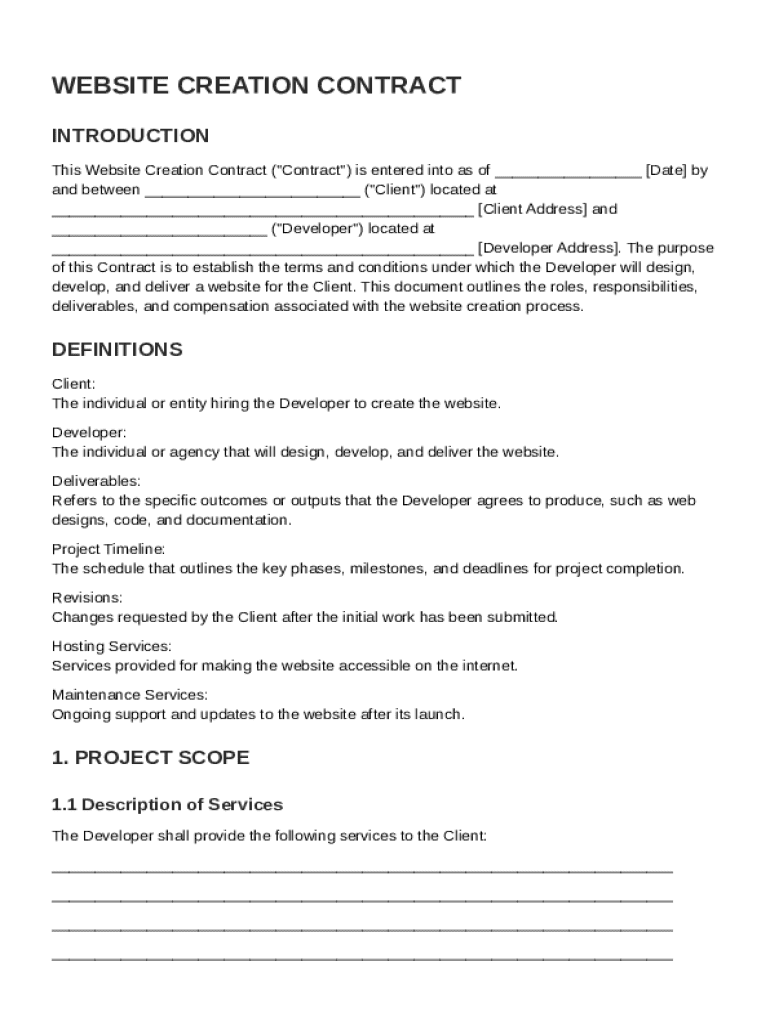
The Website Creation Contract Template serves as a formal agreement between a client and a developer outlining the terms and conditions for the design, development, and delivery of a website. It establishes clear expectations for project scope, deliverables, timelines, payment terms, and responsibilities of both parties involved. By documenting these elements, the contract helps mitigate misunderstandings and potential disputes during the website development process.
-
Project Scope: Details the specific services the developer will provide, including design, development, testing, and delivery. Clearly defining the scope helps prevent scope creep and ensures both parties have a mutual understanding of project boundaries.
-
Deliverables: Specifies the tangible outputs expected from the project, such as wireframes, design mock-ups, or the final website files. Listing deliverables provides a checklist for assessing project completion.
-
Timeline: Outlines deadlines for each project phase, ensuring that the development process stays on track. This section often includes milestones, which are key stages that need to be completed before proceeding to the next phase.
How to Use the Website Creation Contract Template
To effectively utilize the Website Creation Contract Template, follow these steps:
-
Customizing the Template: Begin by tailoring the template to your specific project needs. This involves adding unique details about your project such as the website’s purpose, target audience, and key features.
-
Defining Terms and Conditions: Clearly outline payment terms, including amounts, due dates, and accepted payment methods. Also, specify revision limits, post-launch support, and any ongoing maintenance agreements. These terms prevent future ambiguity over financial and logistical responsibilities.
-
Legal Review: It is crucial to have a legal professional review the completed contract to ensure compliance with relevant laws and regulations. This step helps safeguard both parties' interests and ensures enforceability.
-
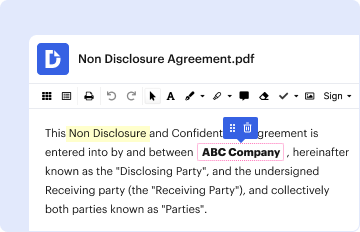
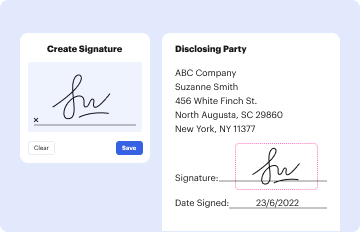
Signing the Contract: After both parties agree on the terms, the contract should be signed either physically or electronically. Legally binding electronic signatures are acceptable and provide a convenient and secure method of finalizing the agreement.
Key Elements of the Website Creation Contract Template
The Website Creation Contract Template includes several key elements essential for comprehensive coverage of the agreement:
-
Intellectual Property Rights: Establishes who owns the rights to the website content and design. Typically, the client owns the intellectual property upon full payment, but this can vary based on negotiated terms.
-
Confidentiality Obligations: Ensures that sensitive information shared during the project remains private and is not disclosed to third parties without consent.
-
Warranty and Liability Limitations: Defines the extent of the developer’s responsibilities and any warranties provided. It may also limit the developer’s liability for issues such as security breaches or software bugs.
-
Termination Conditions: Outlines the circumstances under which the contract can be terminated by either party, including breach of contract or failure to meet agreed-upon terms.
Important Terms Related to the Website Creation Contract Template
Understanding important terms within the Website Creation Contract Template enhances clarity and helps in interpreting the agreement correctly:
-
Milestones: Key stages in the project timeline where specific deliverables must be completed. These checkpoints help manage progress and facilitate timely payments.
-
Scope Creep: Occurs when changes or additions to the project exceed the original scope without adjusting the time, cost, and resources available. This term highlights the importance of clearly defining project boundaries.
-
Force Majeure: A clause that frees both parties from liability or obligation when an extraordinary event or circumstance beyond their control prevents them from fulfilling the contract. Examples include natural disasters or pandemics.
Who Typically Uses the Website Creation Contract Template
The Website Creation Contract Template is vital for various stakeholders involved in website development:
-
Freelance Developers and Design Agencies: These professionals and organizations use the contract to formalize agreements, providing structure and legal protection for their work.
-
Business Owners and Clients: Individuals or entities seeking to have a website developed rely on the template to clearly communicate their needs and protect their interests.
-
Project Managers: Often facilitate the development process by ensuring all parties adhere to the agreed-upon terms, using the template as a guideline.

Steps to Complete the Website Creation Contract Template
Completing the Website Creation Contract Template involves several crucial steps to ensure accuracy and thoroughness:
-
Information Collection: Gather all relevant project details, including client requirements, desired outcomes, and developer capabilities. This initial step sets the groundwork for an all-encompassing contract.
-
Drafting the Contract: Employ the template to draft a detailed contract, inserting specific information related to your project. Use clear and concise language to avoid misunderstandings.
-
Review and Revisions: Share the draft with relevant stakeholders for feedback. Make necessary revisions to accommodate any legitimate concerns or requests, ensuring mutual satisfaction.
-
Finalization and Signing: Once all parties are satisfied, finalize the agreement and collect signatures. Keeping a signed copy available is recommended for future reference.
Legal Use of the Website Creation Contract Template
The Website Creation Contract Template provides a framework for legally binding agreements. Key legal provisions include:
-
Governing Law: Identifies the jurisdiction whose laws will govern the contract. In a U.S. context, state laws often apply.
-
Dispute Resolution: Establishes the methods for resolving conflicts, such as mediation or arbitration, to avoid costly litigation.
-
Compliance with Regulations: Ensures that the contract adheres to local, state, and federal laws, such as data protection regulations.
By incorporating these elements, the contract becomes a powerful tool to legally protect the interests of both parties involved in website creation projects.