
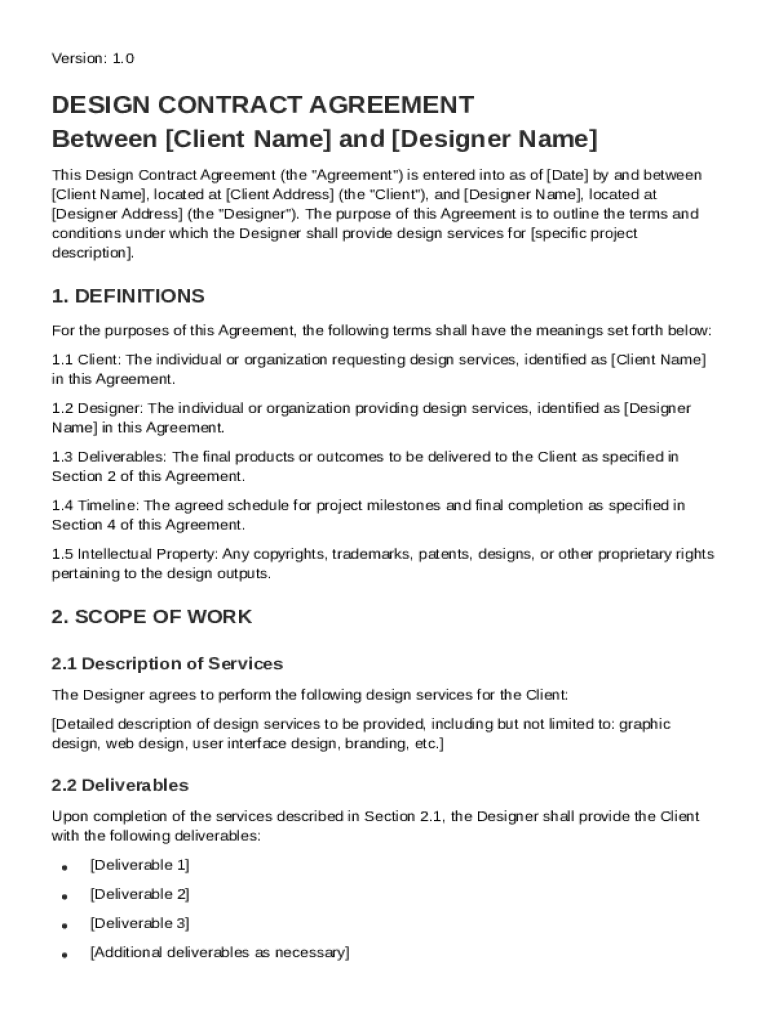




Definition and Purpose of a Design Contract Template
A Design Contract Template is a pre-formatted document that outlines the terms and conditions associated with design services between a client and a designer. This form serves as a standardized agreement to ensure both parties have a mutual understanding of project details, including deliverables, timelines, compensation, and responsibilities. Using such a template helps mitigate misunderstandings and sets clear expectations from the outset.
Design Contracts typically encompass various aspects of a project such as intellectual property rights, revision policies, and confidentiality obligations. By utilizing a prepared template, designers and clients can save time that would otherwise be spent drafting a new contract from scratch, ensuring nothing critical is overlooked in the legal agreement.
How to Use the Design Contract Template
-
Review and Edit the Template: Begin by reviewing the template to ensure that it suits the specific scope and requirements of your design project. Modify any sections as needed to reflect your unique project details, such as deliverable specifications or deadlines.
-
Add Specific Details: Include the names and contact information of both the designer and client. Specify the project’s start and end dates, along with detailed descriptions of each deliverable, such as design drafts or final products.
-
Set Payment Terms: Clearly define the compensation structure, whether it's hourly, per-project, or based on milestones. Include payment schedules and any deposits or retainers required before work commences.
-
Include Additional Agreements: If applicable, insert clauses concerning intellectual property rights, revision limits, confidentiality obligations, and termination conditions, ensuring all parties understand the legal commitments.
-
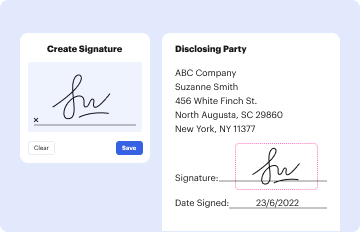
Send for Review and Signature: Share the finalized contract with all parties involved for review. Make any necessary adjustments before obtaining signatures to acknowledge agreement to the terms.
Steps to Complete the Design Contract Template
-
Gather Essential Information: Have details such as project title, client and designer contact information, and project specifications ready to streamline the process.
-
Fill in Project Details: Clearly outline the scope of work, defining responsibilities and deliverables. Include specific deadlines and any milestone events crucial to the project timeline.
-
Outline Payment Arrangements: Describe how and when payments will occur. This should include any advance payments, the method of payment, and penalties for late payment if applicable.
-
Define Legal Terms: Ensure clauses regarding intellectual property rights, confidentiality agreements, and termination terms are clearly understood and agreed upon by both parties.
-
Review and Sign: Circulate the completed contract for final review. Address any comments or concerns before each party signs to formalize the agreement.
Key Elements of the Design Contract Template
- Scope of Work: Detailed description of services provided, including specific tasks and deliverables.
- Payment Terms: Explanation of how payments will be handled, including the rate of pay and schedule.
- Intellectual Property Rights: Definition of ownership concerning work products created during the project.
- Confidentiality and Non-disclosure: Terms ensuring proprietary information remains secure and confidential.
- Revision Policies: Guidelines on how revisions will be handled, including any limitations or associated costs.
- Termination Clause: Conditions under which the contract may be terminated by either party.
Legal Use of the Design Contract Template
The Design Contract Template must comply with relevant laws to be enforceable. It is important that the contract clearly signifies consent and understanding between parties concerning all terms. In the United States, this often involves aligning with regulations outlined by state and federal law where the project operates.
- Compliance with Federal and State Laws: Ensure the contract respects all applicable legal standards, including intellectual property regulations and contractual agreement laws.
- Enforceability: Clearly written terms make it easier to enforce the contract should disputes arise, by providing a concrete reference to agreed-upon obligations.
Who Typically Uses the Design Contract Template
A diverse range of individuals and organizations benefit from using a Design Contract Template. Common users include:
- Freelance Designers: Independent designers offering various services, such as graphic design, web design, or interior design.
- Design Agencies: Firms specializing in delivering multi-faceted design projects to other businesses or clients.
- Clients: Individuals or companies seeking professional design services to enhance their brand or products.


Benefits of Using a Design Contract Template
- Clarity: Provides clear expectations concerning project details and responsibilities.
- Protection: Safeguards the intellectual property and proprietary information of both parties.
- Efficiency: Streamlines the contract drafting process, saving time and reducing potential for error.
- Trust Building: Establishes a professional relationship grounded in transparency and agreed terms.
Important Terms Related to Design Contract Template
- Revision Clause: Stipulates the number and scope of changes allowed after initial delivery.
- Kill Fee: A provision for compensation if the project is prematurely terminated.
- Deposit Retainer: An upfront fee to secure services and manage initial project costs.
- Deliverable Milestones: Specific checkpoints for reviewing project progress and completion.
By comprehensively understanding and appropriately utilizing the Design Contract Template, both designers and clients can establish a clear, legally sound, and mutually beneficial working relationship.