





Definition and Meaning of a Photo Agreement Template
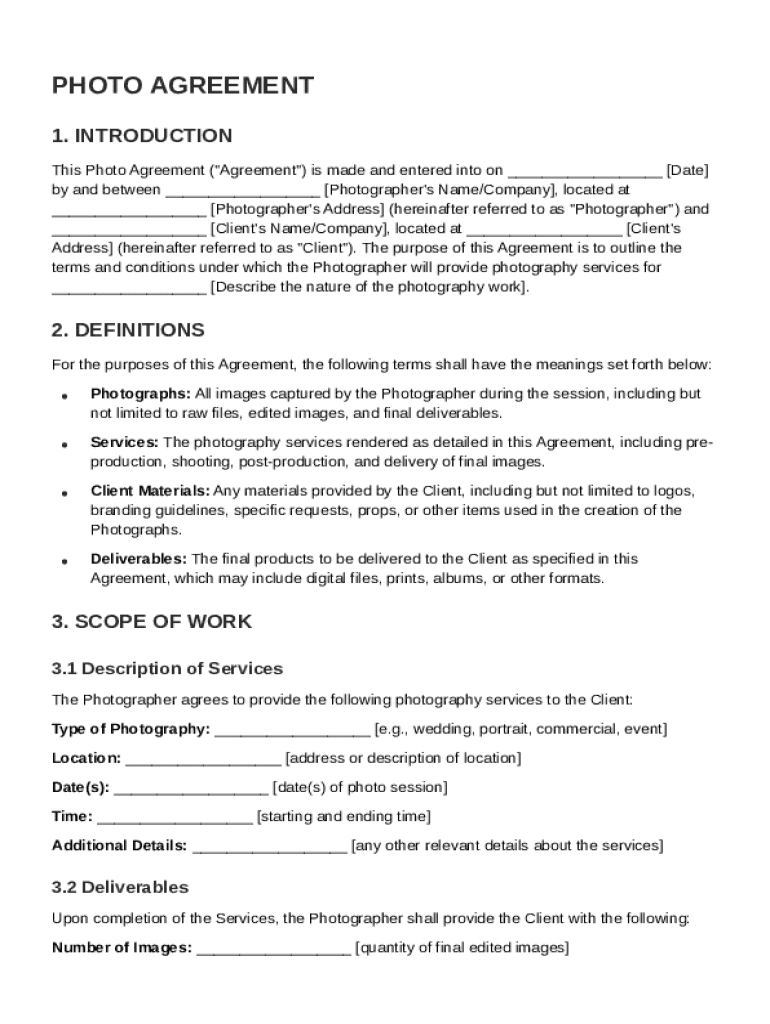
A Photo Agreement Template serves as a formal contract between a photographer and a client, setting forth the terms and conditions of photography services. This template is crucial for establishing clear communication and expectations, thereby preventing potential disputes between the parties involved. It defines key terminologies related to the agreement, such as "Client," "Photographer," and "Deliverables," ensuring both parties have a shared understanding of their responsibilities and rights.
- Scope of Work: Outlining what photography services will be provided.
- Compensation: Clearly stating the payment amount and schedule.
- Rights and Usage: Detailing how the photos can be used by the client and photographer.
- Cancellation Policy: Explaining conditions under which the agreement can be terminated.
- Liability Limitations: Discussing limits of liability in case something goes wrong.
Including these elements ensures a comprehensive and legally sound agreement that secures the interests of both the photographer and the client.
Key Elements of the Photo Agreement Template
The Photo Agreement Template includes several critical components that help facilitate a smooth transaction between the photographer and client. Each element serves to protect both parties legally and professionally.
Scope of Services
This section lays out in detail the specific services that the photographer will provide. It includes:
- Event Type: Type of event or session the photographer is engaged for, such as weddings, portraits, or corporate events.
- Number of Photos: Estimated or guaranteed number of photos to be delivered.
- Delivery Timeline: Stipulations on when and how the photos will be delivered.
By clearly stating these elements, both parties know what to expect, minimizing misunderstandings related to the services offered.
Payment Terms
The template should include detailed payment terms to avoid disagreements. This can include:
- Rate: The total cost of services or the photographer's hourly rate.
- Payment Schedule: Due dates for deposits and final payments.
- Accepted Payment Methods: Indicating whether the client can pay through credit, cash, or checks.
These clear payment terms protect the photographer’s interests and provide clarity to the client regarding financial expectations.
Photography Rights and Usage
One of the most critical elements is clarifying the rights and usage of photographs. Under this section, the template might specify:
- Ownership: Who owns the copyright of the photographs.
- Model Releases: Whether the photographer has the right to use the photos for promotional purposes.
- Usage Rights: Limitations on how the client can use the photographs.
By stipulating these terms, the agreement helps protect the artistic and commercial interests of the photographer.
Steps to Utilize the Photo Agreement Template
Utilizing the Photo Agreement Template effectively requires a clear understanding of its components and a structured approach.
- Draft the Agreement: Begin by filling in relevant details specific to the assignment, such as client information, event details, and service specifics.
- Consult on Terms: Discuss the terms and conditions with the client to ensure mutual understanding and agreement.
- Revise as Necessary: Make any necessary adjustments based on client feedback or specific requirements unique to the assignment.
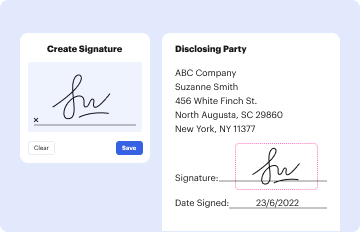
- Sign the Agreement: Ensure both parties sign the agreement to confirm they have read and understood all the terms.
- Provide Copies: Distribute signed copies to each party for their records.
Following these steps ensures that the agreement is thorough, mutually agreed upon, and legally binding.
Important Terms in the Photo Agreement Template
Several vital terms often feature prominently in the Photo Agreement Template. These terms clarify responsibilities and rights concerning the services provided.
- Deliverables: Specifies what the client will receive upon project completion.
- Client Responsibility: Outlines any actions or materials the client must provide or complete before services can begin.
- Force Majeure: Informs how unforeseen events might affect obligations and services.
- Model Release: A legal disclaimer allowing the photographer to use images featuring the client for promotional purposes.
By understanding these terms, both parties can navigate the agreement more effectively, ensuring each party fulfills their obligations.
Legal Use of a Photo Agreement Template
Utilizing the Photo Agreement Template legally binds both the photographer and the client to the stipulated terms.
Validity and Enforceability
For the agreement to be legally valid:
- Consent: Both parties must voluntarily consent to the terms without coercion.
- Legal Capacity: Both parties need to have the legal capacity to enter into a contract.
- Consideration: Something of value must be exchanged, typically the service for payment.
Compliance with Local Laws
The contract must adhere to applicable federal and state laws in the U.S., which might require reviewing specific state statutes governing photography contracts.
By ensuring these legal criteria are met, the template remains enforceable, reducing the likelihood of legal battles or compliance issues.
Who Typically Uses the Photo Agreement Template
The Photo Agreement Template is widely used by various professionals within the photography industry. These include:
- Professional Photographers: Individuals or entities specializing in capturing events or portraits.
- Photography Studios: Businesses offering a range of photographic services to the public.
- Freelance Photographers: Independent professionals working on a contractual basis.
The template helps these professionals formalize their engagements with clients, instilling trust and transparency in their business dealings.


Examples of Using the Photo Agreement Template
Practical examples of the template's application reveal its versatility across different photography settings.
Wedding Photography
A wedding photographer uses the template to outline the number of images promised, the method of delivery, and any additional services like photo albums or prints. This clarifies expectations and prevents misunderstandings during an emotionally charged event.
Corporate Event Photography
For corporate events, photographers can specify services like group shots, headshots, or candids, along with turnaround times critical for company promotions.
These examples illustrate how the template adapts to various scenarios, ensuring professional engagement and satisfaction.
Differences Between Digital and Paper Versions
There are key distinctions in using digital versus paper versions of the Photo Agreement Template, each with unique advantages and challenges.
Digital Version
- Convenience: Easier to send, sign, and store electronically.
- Security Features: Can include digital signatures and encryption for added security.
- Accessibility: Simple to access and share, especially important for remote clients.
Paper Version
- Tangibility: Provides a physical document, which some clients might prefer.
- Signatures: Offers the potential for handwritten signatures, sometimes perceived as more personal.
Understanding these differences helps photographers choose the version that best suits their workflow and client preferences.