
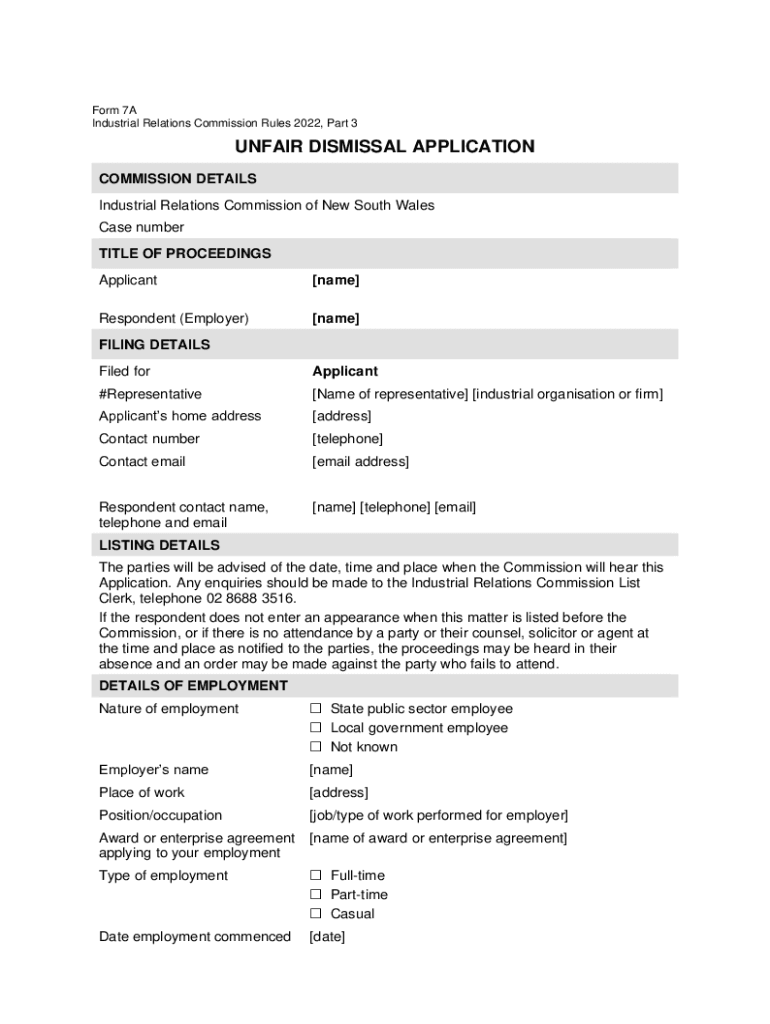







Definition & Meaning
The "Status Report on the Protection Against" form is a document designed to evaluate and report on protective measures within a specific context, such as financial, legal, or environmental protection. It serves as a standardized tool to assess whether adequate steps are being taken to mitigate risks or threats. The report informs stakeholders about the effectiveness and comprehensiveness of protective strategies in place.
Key Elements of the Form
- Objectives: Clarifies the primary aim of the protection measures being evaluated.
- Scope: Defines the boundaries, including sectors or areas covered by the protection.
- Metrics: Provides benchmarks or criteria used to measure adequacy and effectiveness.
- Timeline: Indicates the period covered by the report and any time-specific milestones.
How to Use the STATUS REPORT ON THE PROTECTION AGAINST
Filling out the "Status Report on the Protection Against" involves several steps to ensure accuracy and compliance. The process is designed to be both user-friendly and thorough, facilitating efficient use while ensuring comprehensive coverage.
Steps for Proper Utilization
- Understand the Requirements: Review the guidelines provided with the form to understand what information is needed.
- Gather Necessary Data: Collect all relevant data and documents that support your protective measures.
- Complete the Form: Use the form's fields accurately to input data, ensuring all sections are filled out according to instructions.
- Verification: Double-check information for accuracy and completeness, ensuring all protective strategies are correctly represented.
How to Obtain the STATUS REPORT ON THE PROTECTION AGAINST
Acquiring the "Status Report on the Protection Against" form may involve different methods depending on the governing body or institution overseeing the specific protective measures.
Methods of Acquisition
- Online Download: Access the form through the official website of the relevant authority.
- Direct Request: Contact the issuing organization directly via email or phone to request a copy.
- Physical Locations: Visit designated offices or centers to obtain a physical copy.
Steps to Complete the STATUS REPORT ON THE PROTECTION AGAINST
Completing the "Status Report on the Protection Against" accurately is crucial for ensuring thorough documentation and compliance with relevant standards.
Procedure for Completion
- Initial Review: Begin by reading all included instructions to familiarize yourself with the form's layout and requirements.
- Input Information: Carefully enter all required data in the designated sections, using precise and clear language.
- Include Supporting Documentation: Attach any necessary records or evidence that substantiate the protective measures reported.
- Final Review: Conduct a detailed review to confirm no sections are incomplete or inaccurate before submission.
Who Typically Uses the STATUS REPORT ON THE PROTECTION AGAINST
The form is often utilized by professionals and organizations responsible for implementing or overseeing protective measures. This can include:


Typical Users
- Corporate Risk Managers: Evaluate risk management frameworks within a business context.
- Environmental Agencies: Assess safeguards against environmental threats.
- Legal Advisors: Determine compliance with legal protections and standards.
- Safety Officers: Monitor adherence to safety protocols in various industries.
Legal Use of the STATUS REPORT ON THE PROTECTION AGAINST
Legal compliance is crucial when preparing the "Status Report on the Protection Against." Understanding the legal implications of inaccuracies or omissions is essential.
Legal Considerations
- Compliance: Ensure all reported measures adhere to relevant legal standards and guidelines.
- Disclosure: Fully disclose all pertinent information to avoid legal discrepancies.
- Accountability: Clearly specify who is responsible for implementing and maintaining protections.
Penalties for Non-Compliance
Failing to properly complete or submit the "Status Report on the Protection Against" can result in serious penalties, depending on the regulatory body.
Potential Consequences
- Financial Penalties: Fines or fees for non-compliance or misrepresentation.
- Regulatory Sanctions: Possibility of additional oversight or restrictions.
- Reputational Damage: Harm to credibility or trust with stakeholders.
Examples of Using the STATUS REPORT ON THE PROTECTION AGAINST
Real-world scenarios illustrate the practical application and benefits of using the "Status Report on the Protection Against."
Case Studies and Scenarios
- Natural Disaster Preparedness: Evaluating community-level protections against floods, fires, and other natural disasters.
- Cybersecurity Measures: Reporting on IT infrastructure's defense against data breaches.
- Employee Safety Protocols: Regular assessment of workplace safety standards to ensure employee protection.
Each of these examples demonstrates how the form provides a contextualized and structured evaluation of protection measures, helping organizations to identify areas of improvement and ensure compliance with relevant standards and expectations.




