




01. Edit your form online
Type text, add images, blackout confidential details, add comments, highlights and more.

Type text, add images, blackout confidential details, add comments, highlights and more.

Draw your signature, type it, upload its image, or use your mobile device as a signature pad.

Send it via email, link, or fax. You can also download it, export it or print it out.
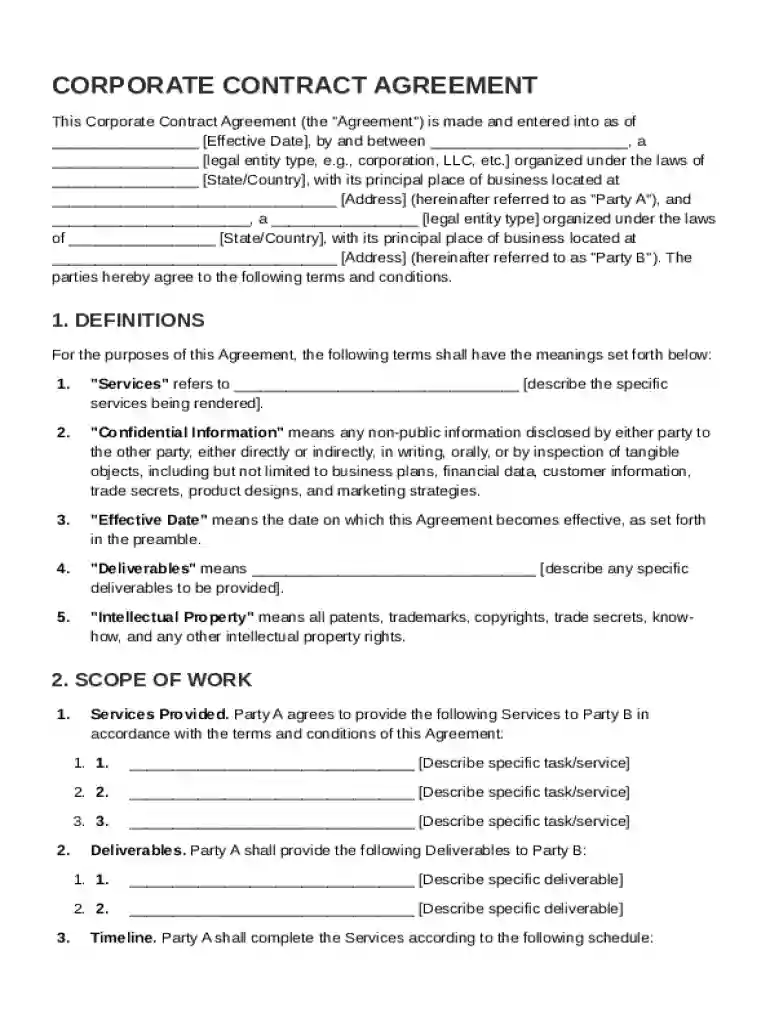
A Corporate Contract Template serves as a foundational document for establishing formal agreements between two business entities. It outlines the terms and conditions governing their professional relationship and defines the responsibilities and obligations of each party involved. Commonly included sections cover the scope of work, payment terms, confidentiality agreements, and applicable legal frameworks. This template acts as a customizable starting point when drafting specific agreements tailored to distinct corporate needs, ensuring all critical legal and operational details are covered.
To effectively use a Corporate Contract Template, begin by identifying the specific requirements and objectives of the agreement. Tailor the template to reflect the unique aspects of your contract, such as the services provided, compensation structures, and deadlines. Add details about the involved parties, their roles, and the deliverables expected. Review sections related to liability, dispute resolution, and termination conditions. Ensure all modifications align with legal standards pertinent to your jurisdiction and seek legal counsel if necessary. By customizing this template, businesses can streamline their contract creation process while maintaining legal integrity.
A well-structured Corporate Contract Template typically includes several key elements that ensure clarity and enforceability:
Using a Corporate Contract Template legally involves adhering to set protocols that guarantee its enforceability. Ensure that the content is clear, concise, and free of ambiguity, which minimizes disputes. Include legally binding clauses covering liability, compliance, and indemnity. Verify that all parties consent to the terms through signed acknowledgment. Adhere to local tax and business regulations, especially if the contract involves interstate or international dealings. Regularly update the contract template to reflect any legal changes in your operating environment.
Corporate Contract Templates are versatile tools applicable in numerous business scenarios:
These examples illustrate how templates can be adjusted to maintain consistency while accommodating various business needs.
Corporate contracts may vary by industry and complexity. Alternatives and variations to a standard Corporate Contract Template might include:
Consider selecting or developing a template that best aligns with the specific type of business agreement needed.
State laws can significantly influence contract terms, particularly concerning employment regulations, confidentiality, and non-compete clauses. It is crucial to review local statutes to ensure compliance. For example, some states might have distinct rules about non-disclosure agreements or have varying thresholds for contract enforceability. Adjusting the template’s clauses to adhere to these specific legal conditions helps avoid potential conflicts and ensures the contract's validity within the relevant jurisdiction. Consulting with legal professionals familiar with state regulations can provide additional guidance and verification.
At DocHub, your data security is our priority. We follow HIPAA, SOC2, GDPR, and other standards, so you can work on your documents with confidence.
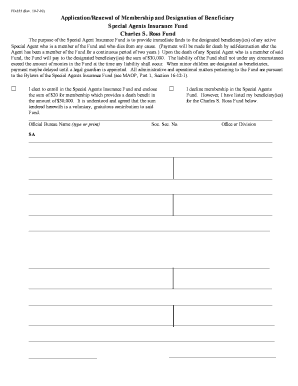
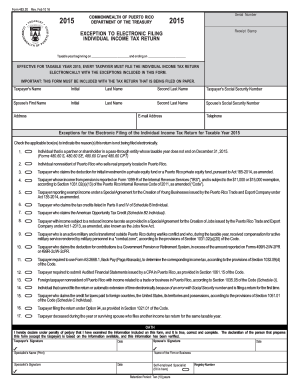




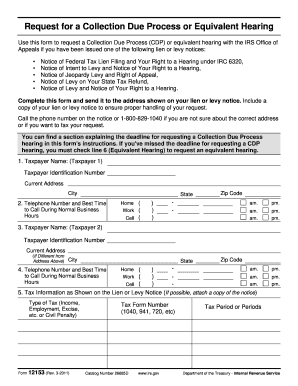

Contract Templates. Services Agreements Interagency Cooperation Contracts Interlocal Cooperation Contracts Hotel Agreement Speaker Agreements
This contract is dated and entered into as of the day of. , 20, by the. City of Durham (the City), a North Carolina municipal corporation, and
Mar 24, 2022 Discover the essential components of a robust consulting agreement. Learn how to create a solid contract with these 12 key elements.


