






Definition and Meaning
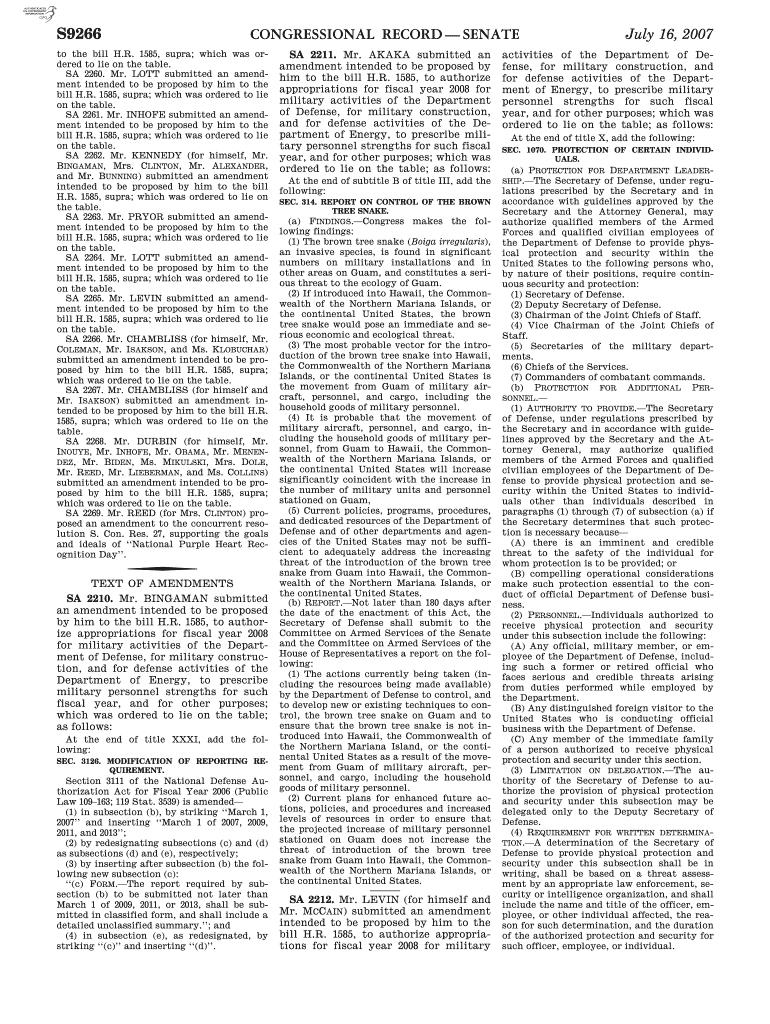
The "to the bill H" refers to a specific legislative document, possibly an amendment or component of a larger bill, that is under discussion or needs to be addressed within the context of legislative processes. Within the U.S. legislative system, it could represent amendments or proposals aimed at modifying or enhancing existing laws. Understanding the context and purpose of this legislative component is crucial for stakeholders involved in policy-making, legal compliance, or advocacy.
How to Use the to the Bill H
Utilizing "to the bill H" effectively involves multiple steps depending on the legislative context. Interested parties, such as lawmakers, lobbyists, or legal professionals, may need to present arguments or evidence during hearings or discussions. It is also critical to analyze its contents, including any proposed legal changes or impacts on existing statutes. Reviewing related documentation, such as previous versions or related bills, can provide additional insights into its purpose and implications.
Practical Steps for Utilization
- Research: Begin by thoroughly researching the full text of the "to the bill H" to understand its provisions and goals.
- Analysis: Evaluate the potential legal and practical implications these changes could introduce.
- Consultation: Involve legal advisors or policy experts to interpret complex sections and predict impacts.
- Engagement: Interact with stakeholders to gather varied perspectives and insights.
Steps to Complete the to the Bill H
Completing any statutory processes related to "to the bill H" involves a series of structured actions. These may include drafting positions, submitting testimonials, or participating in discussions.
Procedure for Completion
- Compilation: Compile necessary documents and any supplementary evidence supporting your stance or changes.
- Drafting: Prepare written statements or amendments in accordance with legislative standards.
- Submission: Ensure timely submission of all documents to the relevant legislative body.
- Monitoring: Track the progress and response to your submission, providing additional information as needed.
Why Should You Engage with the to the Bill H
Understanding and engaging with "to the bill H" is essential for entities directly affected by the legislation or those advocating for particular social, economic, or environmental policies.
Benefits of Engagement
- Influence Policy: Participation can help steer legislative outcomes that favor specific sectors or communities.
- Compliance Assurance: Engaging ensures alignment with future legal requirements, reducing risks of non-compliance.
- Proactive Adaptation: Being informed prepares stakeholders for imminent changes, facilitating smooth transitions.
Key Elements of the to the Bill H
The structure and content of "to the bill H" include several critical components, such as sections detailing objectives, legal modifications, and application contexts.
Breakdown of Components
- Objectives: Outlines the primary goals and rationale behind the proposed legislative changes.
- Modifications: Lists specific changes to existing laws, including additions, deletions, or amendments.
- Implications: Discusses potential impacts on current practices or compliance requirements.
Examples of Using the to the Bill H
Examples of application or impact can showcase how entities navigate changes brought by "to the bill H" in real-world scenarios. These examples may involve sectors like defense, immigration, or education.
Case Studies
- Defense: Amendments may allocate or adjust military funding impacting strategic operations and personnel support.
- Education: Legislative changes could affect educational assistance programs for veterans or active duty members.
- Immigration: Provisions might revise policies on immigration or employment eligibility criteria for certain demographics.
Legal Use of the to the Bill H
The legal application of "to the bill H" covers areas where it intersects with existing laws and any procedures to ensure compliance.
Legal Context and Requirements
- Interpretation: Legal professionals must interpret amendments within the context of federal and state laws.
- Compliance: Entities must adapt processes and policies to comply with new legal standards set by the bill.
- Challenges: There may be opportunities or grounds for challenging elements if they conflict with overarching legal principles.
State-Specific Rules for the to the Bill H
Implementation of "to the bill H" can vary significantly across different states, which may have additional rules or interpretations.
State-Level Considerations
- Divergent Interpretations: States might have unique interpretations based on local legal structures or precedence.
- Implementation Timelines: Each state could implement changes on distinct timelines, affecting planning and compliance schedules.
- Additional Regulations: Some states may enact supplementary regulations that further refine or restrict bill provisions.
How to Obtain the to the Bill H
Accessing the full details of "to the bill H" requires knowing the correct channels or resources to retrieve official documents.
Access Methods
- Government Websites: Official legislative or government websites often host full texts and related documentation.
- Libraries and Archives: Public or university libraries may have archived records for reference.
- Request Protocols: Follow formal procedures to request additional records or clarifications from relevant authorities.
Required Documents
Engaging with or addressing "to the bill H" necessitates certain documents, which serve as both support and compliance verification.
Essential Documentation
- Official Copies: Authentic copies of the bill and any pertinent legislative history.
- Supporting Evidence: Data, endorsements, or expert testimonials that support your engagement or interpretations.
- Compliance Records: Documents evidencing adherence to proposed legal changes or provisions.
Form Submission Methods (Online / Mail / In-Person)
Depending on the nature of "to the bill H," submitting related documents or responses can happen through various channels.
Submission Channels
- Online Platforms: Many government bodies provide online portals for form submissions.
- Mailing: Traditional mailing remains an option for formal submissions, often requiring proof of receipt.
- In-Person: Direct submission allows for confirmation of delivery and potentially immediate feedback.
Always adhere to submission guidelines to ensure acceptance, confirming receipt through appropriate verification methods.