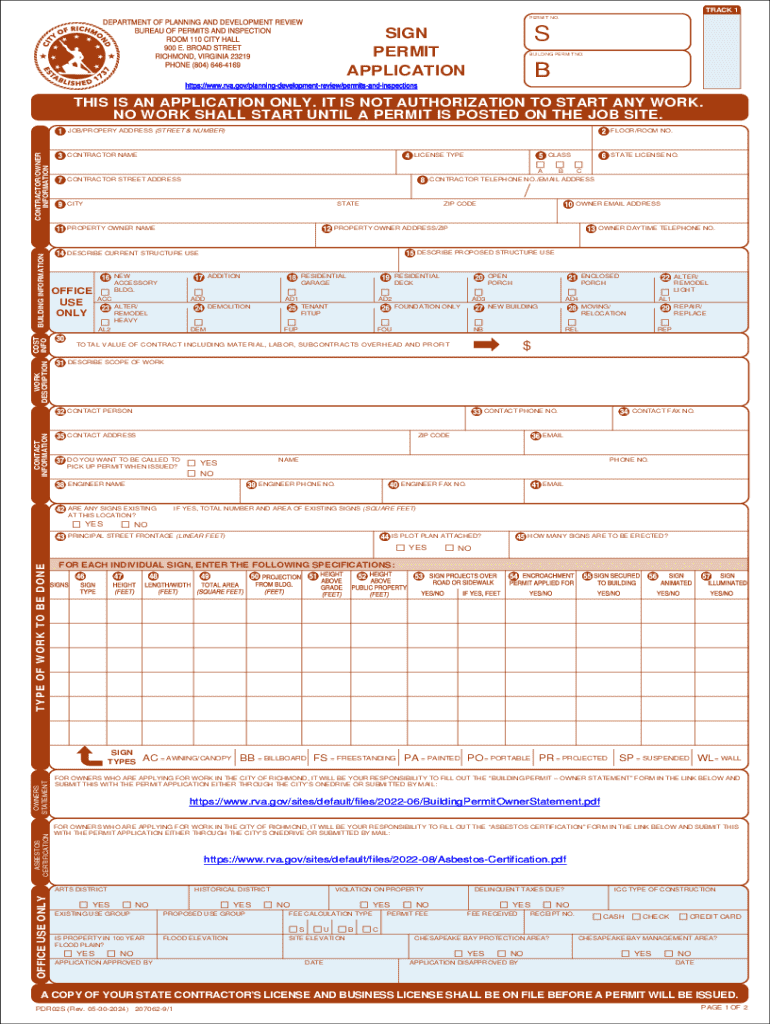







Definition and Meaning of Building Permit Application
A building permit application is an essential regulatory step in the construction process that ensures all building projects comply with local codes and safety standards. In this context, "building permit application - Tradução em português" refers to the process of translating this critical document from English to Portuguese, facilitating compliance for Portuguese-speaking contractors and property owners in areas where such a translation is permissible and helpful.
Purpose of the Translation
- Accessibility: Enables Portuguese-speaking individuals to fully understand the form's requirements and implications.
- Compliance: Ensures that all regulatory and safety standards are clearly communicated without language barriers.
- Accuracy: Promotes accurate entries and decreases the likelihood of errors that could delay the permitting process.
How to Use the Building Permit Application - Translation in Portuguese
Using a translated building permit application can significantly streamline the application process for Portuguese-speaking participants. Here are key steps to effectively utilize this translation:
-
Verify Translation Accuracy: Ensure the translation is accurate by comparing it with the original document or consulting a professional translator familiar with construction terminology.
-
Understand Requirements: Thoroughly read the document to comprehend all sections, such as contractor information, project details, and compliance certifications.
-
Accurate Completion: Carefully fill in each section, ensuring all entered data aligns with the project details and adheres to local regulations.
-
Submission: Submit the completed form in the specified method (e.g., online, in-person), ensuring all required documents accompany the application.
Language Prescriptions
- Ensure legal terminologies are accurately translated.
- Consult with officials if any part of the translation needs clarification.
Steps to Complete the Building Permit Application - Translation in Portuguese
Completing the building permit application requires meticulous attention to detail and an understanding of each section's requirements. Follow these steps for a successful submission:
-
Collect Required Information: Gather all necessary details about the project, including contractor and owner identification, site address, and project valuation.
-
Fill Out the Form:
- Section 1: Enter contractor and property owner details.
- Section 2: Specify the job address and describe the type of work.
- Section 3: Provide cost estimates and compliance certifications.
-
Review and Verify: Double-check all entries for accuracy to prevent delays or rejections.
-
Submit Accompanied Documents: Ensure all supplementary forms and documentation are included with the submission.
Common Mistakes to Avoid
- Omitting mandatory fields.
- Incorrect language translations that could lead to misunderstandings or misinformation.
- Failing to attach required accompanying documents.
Who Typically Uses the Building Permit Application - Translation in Portuguese
This application is primarily utilized by Portuguese-speaking individuals involved in construction projects, including:
- Contractors: Responsible for planning and executing construction projects, needing comprehensive understanding of all legal and technical requirements.
- Property Owners: Ensuring that their projects comply with zoning and safety regulations.
- Architects and Engineers: Collaborators in providing technical solutions and ensuring design compliance with local codes.


Scenarios for Use
- New construction projects.
- Major renovations.
- Installation of systems like HVAC or significant electrical upgrades.
Important Terms Related to Building Permit Applications in Translation
Understanding specific terms is crucial for accurately completing a building permit application. Here are some essential terms:
- Alvará de construção: Portuguese term for building permit, crucial for legal compliance.
- Certificação de conformidade: Certification of compliance, necessary for proceeding with projects.
- Valor estimado do custo: Estimated cost value, a factor in determining permit fees.
Technical Translation Considerations
- Ensure that terms like "compliance certification" and "cost estimate" are correctly conveyed in Portuguese.
- Consult technical glossaries to maintain accuracy.
Key Elements of the Building Permit Application
Every building permit application includes several key components critical for legal compliance and project clarity:
- Contractor Information: Full legal names, contact details, and license numbers.
- Project Details: Comprehensive scope of work, including timelines and material descriptions.
- Compliance Certifications: Declarations indicating adherence to local building codes and safety standards.
Additional Components
- Fee Structures: Based on project value and specified within the form.
- Mandatory Attachments: Such as zoning approvals or environmental impact statements.
State-Specific Rules for Building Permit Applications
Regulations for building permits may differ by state, affecting how applications should be completed and reviewed:
- Local Codes: Ensure all entries comply with state-specific codes, which may influence inspection protocols and permit fees.
- Zoning Regulations: Verify if local zoning laws impose additional restrictions or requirements.
Variances Across States
- Some states may have additional ecological considerations or heritage building protections.
- Ensure familiarity with regional differences that could affect approval timelines or requirements.
Examples of Using the Building Permit Application - Translation in Portuguese
Numerous cases demonstrate the utility of translating building permit applications into Portuguese:
-
Residential Project in Florida: A Portuguese-speaking contractor shortening the approval time by using accurately translated documents.
-
Commercial Development in California: Ensuring team members understand all regulatory requirements via translated forms, preventing miscommunication.
-
Renovations in Boston: Enhancing clarity among Portuguese-speaking investors and stakeholders for capital improvement initiatives.
Real-World Benefits
- Reduction in permit processing time due to fewer errors.
- Increased clarity in regulations leading to smoother compliance and implementation stages.