






Definition & Meaning
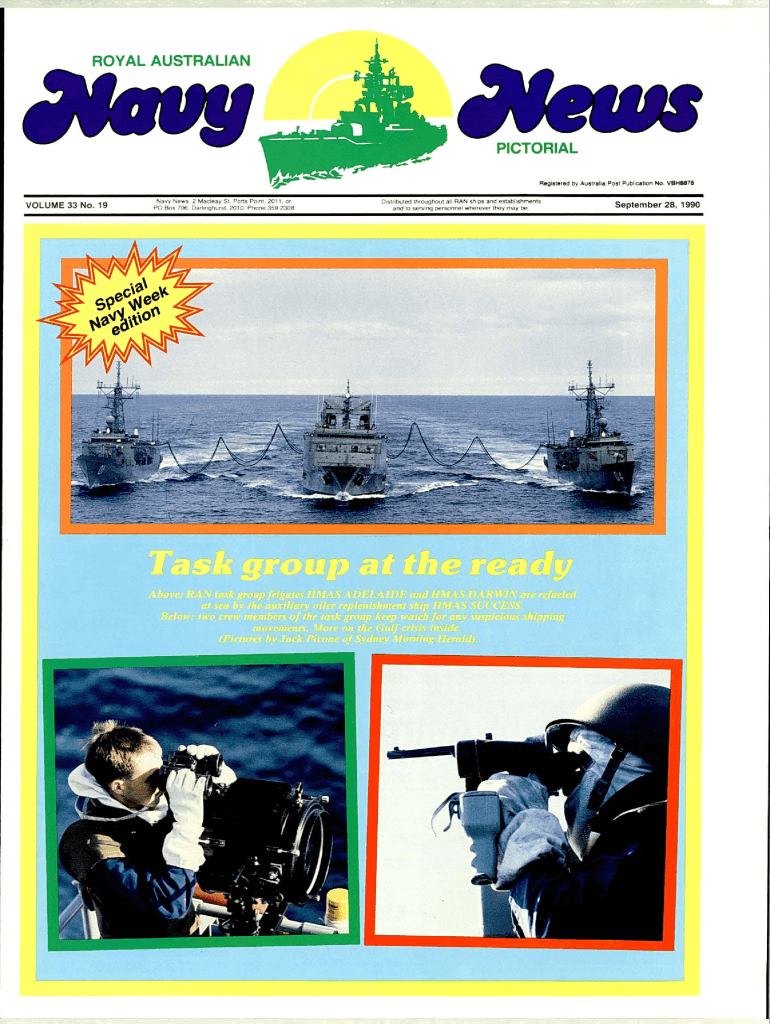
The term "Troubled Waters Cod War, Fishing Disputes, and Britain's" refers to the historical conflicts over fishing rights between the United Kingdom and Iceland, commonly known as the Cod Wars. These disputes erupted primarily in the mid-20th century as Iceland expanded its fishing limits, challenging Britain's long-standing fishing activities in these waters. The conflicts were marked by confrontational encounters at sea, with both countries deploying naval forces to protect their fishing vessels. Beyond the immediate confrontations, the term also encompasses broader fishing disputes that have occurred between Britain and other nations, illustrating the ongoing tensions over maritime boundaries and resource access.
How to Use the Troubled Waters Cod War, Fishing Disputes, and Britain's
To engage with the content related to the "Troubled Waters Cod War, Fishing Disputes, and Britain's," individuals might explore various legal, historical, and geopolitical perspectives. Analysts can assess the impact on international maritime law or study how these conflicts have shaped current fishing policies. Historians may examine primary sources such as government documents, naval logs, and firsthand accounts to provide a detailed narrative of events. Meanwhile, policymakers can use lessons learned from these disputes to shape current and future international negotiations on fishing rights.
How to Obtain Information About the Cod War
Individuals interested in obtaining more information on the "Troubled Waters Cod War, Fishing Disputes, and Britain's" can access resources from historical archives, maritime law journals, and government publications. Libraries with historical and legal sections may hold valuable collections, while public and academic online databases provide digital access to relevant articles and papers. Furthermore, documentaries and interviews with experts or those involved in the disputes offer insightful narratives and analyses, creating a comprehensive understanding of these historical events.
Steps to Analyze the Troubled Waters Cod War
-
Historical Contextualization: Begin by understanding the political and economic conditions leading to the Cod Wars, including Iceland's reliance on fishing and Britain's long maritime traditions.
-
Examination of Key Conflicts: Study major incidents, such as naval standoffs and clashes at sea, through both British and Icelandic perspectives.
-
Legal Frameworks: Analyze maritime laws invoked during the disputes, particularly changes in international fishing regulations and how these influenced the resolution of conflicts.
-
Impact Assessment: Evaluate the long-term effects on both nations' fishing industries and geopolitical relations, including adjustments in maritime boundaries and trade agreements.
Why Study the Troubled Waters Cod War
Studying the "Troubled Waters Cod War, Fishing Disputes, and Britain's" is critical for understanding the complexities of international maritime disputes and their resolution. These conflicts highlight the importance of sustainable resource management and the geopolitical challenges of enforcing maritime boundaries. They also illustrate how international law can adapt to address new realities, providing a framework for resolving modern disputes over shared resources like fish stocks.
Key Elements of the Cod War and Fishing Disputes
- Diplomatic Negotiations: The negotiations between the UK and Iceland, including third-party mediation efforts.
- Fishing Rights and Quotas: The evolving nature of national quotas and how these were contested during the disputes.
- Naval Involvement: The role of military forces in protecting economic interests without escalating to full-scale conflict.
- Economic Implications: The impact on local economies dependent on fishing and how these pressures influenced national stances.
Digital vs. Paper Version
For modern scholars and analysts, digital versions of documents related to the "Troubled Waters Cod War, Fishing Disputes, and Britain's" provide a more accessible means of research. Digital archives facilitate easier cross-referencing with global resources, while preserving fragile paper records. However, paper versions offer the tangible authenticity of original documents, which can be crucial for historical validation and preservation.
Historical Examples of Fishing Disputes
Throughout history, Britain has been involved in various fishing disputes beyond the Cod Wars. Examples include negotiations with the European Union over fishing rights in shared waters, particularly around the North Sea. These disputes often involve debates over quotas, fishing methods, and environmental impact. Analyzing these examples helps contextualize the ongoing evolution of international fishing agreements and the role of political, economic, and environmental considerations in shaping them.
Important Terms Related to Fishing Disputes
- EEZ (Exclusive Economic Zone): A sea zone prescribed by the United Nations over which a state has special rights regarding exploration and use of marine resources.
- Quotas: Limits set on the amount of fish that can be caught, varying by species and region.
- Bycatch: Unintentional capture of non-target species, a significant issue in sustainable fishing discussions.
- Negotiation: The process by which disputing parties attempt to reach an agreement on fishing rights and boundaries.