






Definition & Meaning
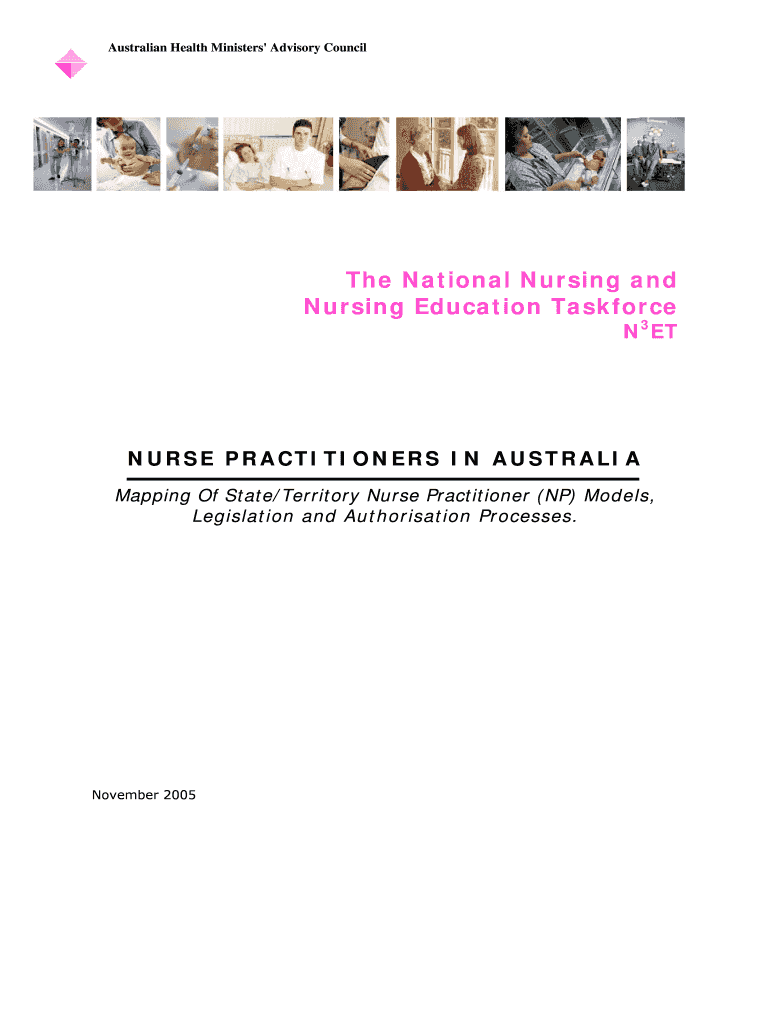
The term "The National Nursing and Nursing Education Taskforce - Nurse Practitioner Mapping Mapping of state t" refers to an effort specifically focused on aligning nurse practitioner models, legislation, and authorization processes across different states. This mapping exercise aims to provide a comprehensive overview of existing frameworks and practices, identifying variations and areas that require standardization for nurse practitioners operating within various jurisdictions.
Components of the Term
- National Nursing and Nursing Education Taskforce: An entity charged with creating national standards and frameworks for the nursing profession to enhance education, practice, and policy.
- Nurse Practitioner Mapping: A methodical analysis of how nurse practitioners are regulated, what models they follow, and the legislative context they operate in across states.
Key Elements of the Mapping Exercise
Objectives of the Mapping
The map seeks to identify disparities in nurse practitioner roles and to ensure coherence in permissions, which can facilitate better healthcare delivery.
- Standardization: A crucial aim is to develop a uniform understanding and approach to the regulation and authorization of nurse practitioners.
- Efficiency: Streamlining processes to ensure consistent nurse practitioner operations irrespective of geographic location.
Expected Outcomes
- Comprehensive Reports: Detailed analyses of the existing state-specific rules and practices.
- Policy Recommendations: Insights to inform policy amendments aimed at standardizing the nurse practitioner regulatory environment.
How to Use the Mapping
Practical Applications
The mapping serves as a resource for entities ranging from healthcare institutions to policy-makers to understand and improve nurse practitioner frameworks.
- Hospitals: Can use the findings to align their in-house policies with best practices.
- Legislators: Can reference the mapping to identify areas needing legislative revisions.
Steps to Utilize the Mapping
- Review the existing documentation on nurse practitioner roles specific to your state.
- Compare with mapping insights to identify any discrepancies.
- Collaborate with stakeholders to address identified gaps.
State-Specific Rules
Variations in State Regulations
Each state might have unique regulations impacting how nurse practitioners operate.
- Licensing Requirements: Differences in criteria could affect practitioner mobility across states.
- Scope of Practice: The range of medical tasks practitioners are authorized to perform can vary.
Importance of Understanding State Differences
Being well-versed in these differences is essential for nurse practitioners planning to work in multiple states or for organizations employing practitioners in multiple jurisdictions.
Legal Use of the Mapping
Guidance for Compliance
The mapping acts as a guide to ensure legal compliance in employing the services of nurse practitioners.
- Ensure Adherence: Verify that your organization's practices align with state regulations.
- Informed Decisions: Utilize insights for making policy changes that uphold the law.
Important Terms Related to the Mapping
Key Terminology
Understanding specific terms is critical to effectively using the mapping.
- Authorization Processes: The official procedures required for a nurse practitioner to gain the ability to practice.
- Model Legislation: Ideal legislative frameworks proposed for implementation.
Steps to Complete the Mapping
Detailed Process
Comprehending the steps involved in completing the mapping aids organizations and administrators in leveraging its full potential.
- Data Collection: Gather information from different states about current regulations and practices.
- Analysis: Benchmark state-specific findings against best practice models.
- Report Creation: Compile the analysis into a comprehensive report that highlights key findings and recommendations.
Versions or Alternatives to the Mapping
Additional Resources
Exploring similar mapping exercises or previous report versions can provide further insights.
- Historical Comparisons: Identify trends by comparing previous mappings with current findings.
- Alternative Studies: Consider studies focused on similar healthcare roles for broader context.
This comprehensive approach to understanding the "The National Nursing and Nursing Education Taskforce - Nurse Practitioner Mapping Mapping of state t" will assist stakeholders in navigating the complexities of nurse practitioner roles across various states. Each section here is crafted to provide clarity and facilitate informed decision-making.