






Understanding the Concept of "Form Online"
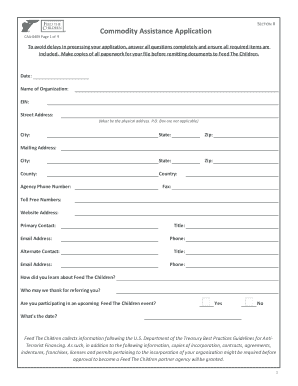
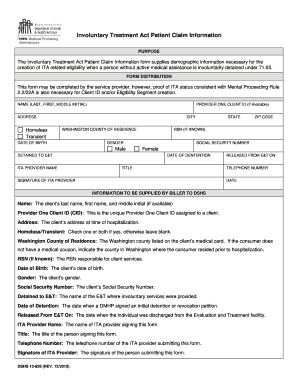
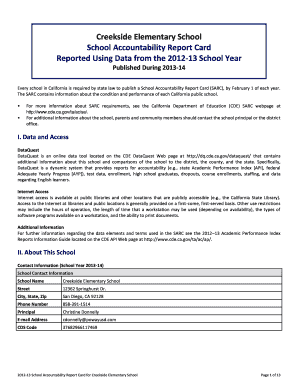
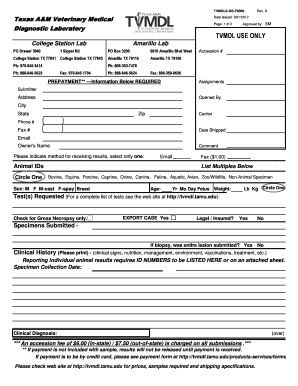
The term "form online" refers to a digital version of traditional paperwork that can be completed and submitted over the internet. This method of form utilization is increasingly popular in various fields such as legal, educational, and governmental sectors. Online forms eliminate the need for physical paperwork, allowing for instantaneous submission and processing. They are designed to be user-friendly, providing an interface that guides users through each section, ensuring all necessary information is captured.
Advantages of Using Online Forms
- Accessibility: Forms can be accessed from anywhere with an internet connection.
- Efficiency: Reduces the time spent on manual data entry and physical mailing.
- Environmentally Friendly: Reduces paper usage significantly.
Common Use Cases
- Applications: School admissions, job applications, or event registrations.
- Surveys: Gathering feedback or conducting research studies.
- Official Documentation: Tax forms, legal agreements, or business registrations.
How to Utilize an Online Form
To use an online form effectively, follow these general steps:
- Access the Form: Visit the relevant website where the form is hosted. Forms can typically be found through a portal or a direct link.
- Review the Instructions: Each form will have specific guidelines detailing how to fill it out accurately and what information is required.
- Fill Out the Fields: Input your data into designated fields. Make sure all required fields are completed to avoid errors or submission rejection.
- Review and Validate: Double-check the information for accuracy to ensure there are no mistakes.
- Submit the Form: After completing the form, submit it using the provided button, often labeled "Submit" or “Complete.”
Practical Tips
- Ensure a stable internet connection to prevent data loss.
- Save a copy or take a screenshot of the completed form for your records before submission.
How to Obtain an Online Form
Finding the right form online can be straightforward if you know where to look. Here are a few methods:
- Direct Downloads from Official Websites: Governmental or institutional sites often host downloadable forms.
- Request via Email: For specific forms not publicly available, contacting the issuing body directly might be necessary.
- Third-party Platforms: Websites like DocHub provide a platform to access and manage forms.
Websites and Systems Often Used
- Government Portals: IRS for tax forms, Court websites for legal applications.
- Educational Institutions: For student applications and financial aid forms.
- Business Services Platforms: For licenses and compliance forms.
Essential Steps for Completing an Online Form
Deep diving into the completion of an online form involves understanding the specific steps relevant to the form type:
- Gather Necessary Documents: Before starting, have all required documentation on hand. This might include identification numbers, financial records, and supporting documents.
- Filling Unique Information: Ensure all personalized data such as names, dates, and identification numbers are correct.
- Use Validation Features: Some forms offer real-time validation to alert users if information is input incorrectly, use these features for a smoother process.
- Attachments: If the form requires additional documents, follow the upload instructions carefully for compatibility and format requirements.
Reasons to Opt for Online Forms
Choosing online forms over traditional methods is advantageous for several reasons:
- Speed: Immediate submission and faster processing times.
- Convenience: Forms can be completed outside of regular office hours, at the user’s convenience.
- Data Accuracy: Fewer errors due to auto-fill features and guided completion.
Real-World Scenarios
- Tax Filing: Individuals can electronically file taxes, avoiding late mail submissions.
- Enrollment: Students applying to universities can submit applications without postal delays.
Who Commonly Utilizes Online Forms?
The use of online forms spans multiple user groups and sectors:
Key User Groups
- Businesses: For registrations, contracts, and compliance documentation.
- Educational Institutions: Enrollment, registration, and feedback collection.
- Government Agencies: Tax filings, permits, and licenses.
Benefits to Different Sectors
- Legal: Streamlines client intake and case management.
- Healthcare: Simplifies patient records and appointment scheduling.
Important Terms Associated with Online Forms
Understanding specific terminology can improve the form completion process:
- E-Signature: A method to sign documents electronically, legally binding in many jurisdictions including the U.S. following the ESIGN Act.
- Form Fields: Predefined sections where data is to be entered, such as text boxes or dropdowns.
- Validation: Process of checking that required data is accurate and complete before submission.
Examples of Common Terms
- Captcha: A security feature to verify human user input.
- Encryption: Protects data during transmission over the internet.
Legal Considerations for Online Forms
Using online forms mandates awareness of legal validation and compliance:
- Legally Binding: For a form to be legally binding, it must comply with relevant laws such as electronic signature acts and data protection regulations.
- Privacy: Forms collecting sensitive data must comply with privacy laws, like GDPR or HIPAA where applicable.
Compliance and Regulations
- Ensure forms adhere to rules specific to your industry or jurisdiction.
- Regularly update forms to reflect current regulations and statutes.
By understanding the above elements, users can achieve a comprehensive grasp of online forms, how they function, and their applications across various sectors.